Andrew is a post-doctoral researcher in North Carolina focused on population and conservation genetics in hydrothermal vent communities.


David is a graduate student in Florida. He studies the ecology and conservation of sharks.


Amy is a graduate student in North Carolina studying local ecological knowledge within small scale fisheries.


Chuck is a graduate student in North Carolina focusing on apex predators and how they interact with fisheries.


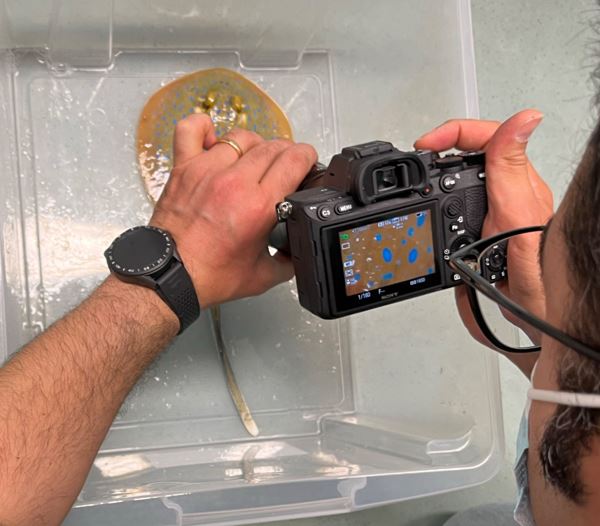
Lyndell is a graduate student in North Carolina, studying the feeding ecology of cownose rays.


Iris is a graduate student in Washington studying habitat use and feeding habits of juvenile Pacific salmon and herring in Puget Sound.


Michael is a graduate student in Maryland investigating the visual systems of mantis shrimp.


Archives

An Ocean of Pseudoscience Week Recap

Over the last week we’ve explored dozens of maritime mysteries, ocean pseudoscience, and plain old non-sense. Many have been goofy and fun - the green flash, the bloop, Atlantis, the Montauk Monster. Some have been practical – can methane bubbles sink ships, cures for seasickness, chemosynthesis and photosynthesis, sharks and cancer. Others have been thought provoking – Aquatic Ape Hypothesis, the Tasaday, Banker Horses, Osedaxand Creationism.

We’ve counted down our favorite sea-monsters:

  1. Kraken
  2. Scylla and Charybdis
  3. Aspidochelone
  4. Ningen
  5. Mermaids
  6. The Loch Ness Monster
  7. Steller’s Sea Ape

And discovered that sometimes, the mythical creatures are actually real.

Charlie has joined in on the action too, busting myths, faking mermaids, staging a moon landing, walking with bigfoot, and fighting the kraken.

There have been tons of great posts from within the Southern Fried Science Network:

And our colleagues at other sites have joined in on the fun ,too:

But beyond the silly stories, ocean legends, and maritime mythos, many of these pseudosciences involve a lack of critical thinking that can do real and lasting harm to our ocean ecosystem. These are the beliefs that drive management decisions - Maximum Sustainable Yield, that mislead consumers – Orange Roughy and Shark Fin Soup, that poison our oceans – The Ocean is Infinite, and the distract us from real solutions – iron fertilization. In the end, this lack of skepticism and desire for simple, un-nuanced answers is precluding us from finding real, lasting solutions to some of the biggest problems facing our planet.

Despite the seemingly lighthearted and whimsical nature of many of the phenomena discussed during this Ocean of Pseudoscience Week, these beliefs are not harmless. People need to approach these ideas with both curiosity and skepticism – the future of the oceans depend on it.

~Southern Fried Science

4 comments to An Ocean of Pseudoscience Week Recap