![]() Seriously, is no one else bothered by the fact that his trident has five points? Aquaman: The Trench. From DC Comics. After reducing Aquaman to a hypothermic, hyposmotic, constantly famished, case study in psychological trauma, I figure that I owe the king of Atlantis a second chance. After all, Aquaman was and still remains the most interesting hero in the DC universe. A generous fan sent me a copy of Aquaman Volume 1: The Trench, arguing that the New 52 version of everybody’s favorite aquatic hero is even more compelling than previous incarnations, with a stronger backstory, powers that make sense, and plenty of humor. Last time I paid the hapless mariner a visit, many readers interpreted my incisive criticism of the science behind Aquaman as evidence that I had it out for our scale-clad hero. Since you all know that I’m going to take the misguided marine science in this volume to task, let’s start with all of the good stuff in this reimagination of DC’s oft-mocked champion. The central conceit of New 52 Aquaman is that the comic book world has the same perception of Arthur Curry that we do–a hero with oddly specific and mostly useless powers that talks to fish. In addition, the citizens of the DC Universe believe that Atlantis is a fairy tale, so Aquaman’s kingly status is meaningless to the surface dwellers. The hybrid of a human father and Atlantean mother, Aquaman feels out of place in Atlantis and chooses to return to the surface with his wife, Mera. Comparing himself to his lighthouse-keeper father, he explains that even though he loves the sea, someone must protect the shore. Continue reading Return of the Science of Aquaman: Welcome to the Trench We traveled to Cape Lookout Bight aboard the R/V Susan Hudson to sample sediment and test our homemade ROV. Along the way, we asked the research team to talk about their favorite marine ecosystems.
Let us know what your favorite marine ecosystems are in the comments below.
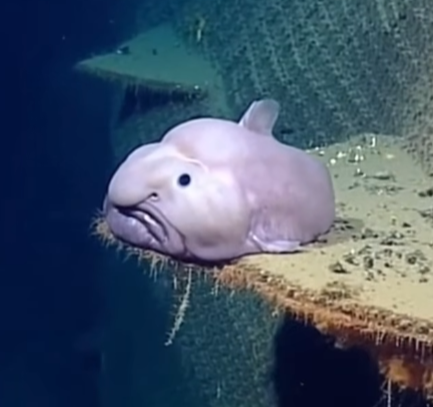
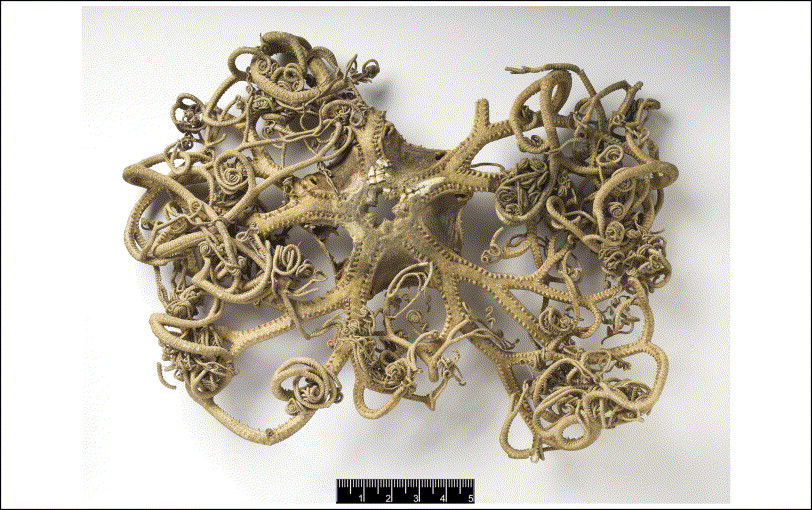
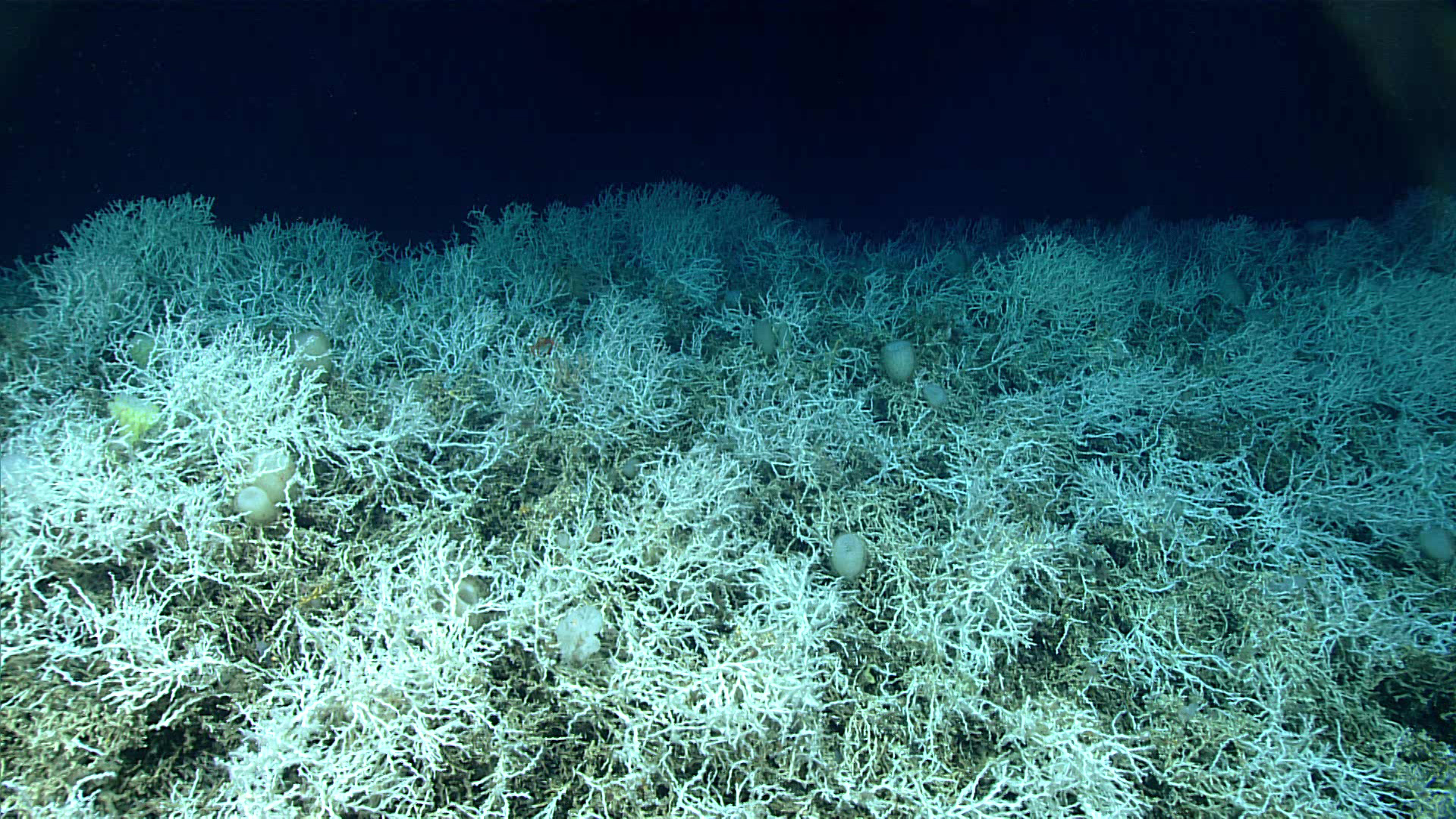
The deep benthos is simultaneously the largest and least explored ecosystem on the planet. Covering nearly 60% of the Earth’s surface, it supports an almost unimaginable reservoir of biodiversity, rivaling all terrestrial habitats combined. Its microbial and metabolic diversity have revolutionized our view of how life is sustained, not once, but twice (first with the discovery of chemoautotrophic organisms at hydrothermal vents, and again with the discovery of cognate communities at methane cold-seeps). In spite of these major discoveries, the deep benthos is essentially invisible. Only a select few will ever witness it first hand, while for the rest, it will remain a dark and unfathomable abyss. This places the deep benthos in a precarious position. Human activities that influence the deep sea go unnoticed. Without a thorough understanding of its ecology, it is impossible to assess the damage caused by anthropogenic impacts. Although recent and ongoing studies have shed light on many species and communities, the deep benthos remains largely unexplored. Two studies, both released this week, reveal simultaneously how little we know about the deep benthos and how human impacts, even unintentional ones, could shape this ecosystem. Continue reading Rumors from the Abyss: visions of a future without deep sea conservation The Deep Sea Conservation Coalition (DSCC), an alliance of over 70 international organizations working to promote the conservation of deep sea biodiversity, has officially launch their blog – Save the Deep Sea.
So go check out Save the Deep Sea and take a look at the main Deep Sea Conservation Coalition website. |
||
|
©Southern Fried Science and the explicit author of each piece, 2013. All rights reserved.
|
||
Recent Comments