Andrew is a post-doctoral researcher in North Carolina focused on population and conservation genetics in hydrothermal vent communities.


David is a graduate student in Florida. He studies the ecology and conservation of sharks.


Amy is a graduate student in North Carolina studying local ecological knowledge within small scale fisheries.


Chuck is a graduate student in North Carolina focusing on apex predators and how they interact with fisheries.


Lyndell is a graduate student in North Carolina, studying the feeding ecology of cownose rays.


Iris is a graduate student in Washington studying habitat use and feeding habits of juvenile Pacific salmon and herring in Puget Sound.


Michael is a graduate student in Maryland investigating the visual systems of mantis shrimp.


Archives

The Curse of Gold: Dimensions of Injustice in Gold-Mining Communities

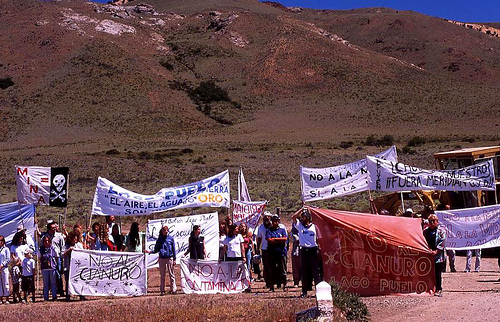
Protests at Esquel, one of the communities examined in the article. Thanks articles.riderdownload.com

Buried within the depths of Andean geology lie small seams of gold tempting worldwide investors. These money-lined pockets aid the development of new extraction methods that dissolve gold from the mountains using cyanide. Cyanide is a metabolic poison, shutting down cellular respiration. In the wake of cyanide leaching stand piles of rubble and contaminated rivers where forested mountains and their people once stood. Surprisingly, Andean residents are willing to entertain the possibility of gold mining by this poisonous method, but oppose current mine development on environmental justice measures. A recent study by Urkidi and Walter in the journal Geoforum documents the emergence of justice narratives from mining conflicts in the Andes and predicts impacts on future development planning. Continue reading The Curse of Gold: Dimensions of Injustice in Gold-Mining Communities