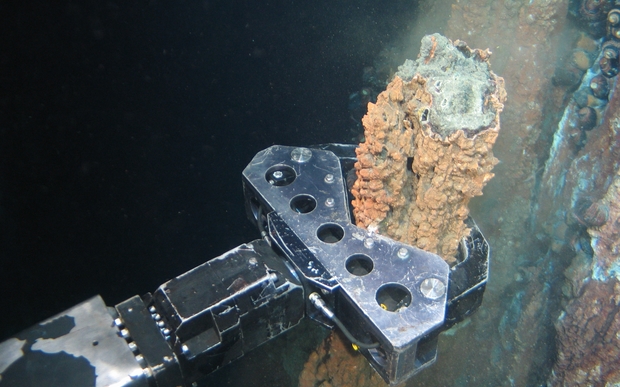
Andrew is a post-doctoral researcher in North Carolina focused on population and conservation genetics in hydrothermal vent communities.


David is a graduate student in Florida. He studies the ecology and conservation of sharks.


Amy is a graduate student in North Carolina studying local ecological knowledge within small scale fisheries.


Chuck is a graduate student in North Carolina focusing on apex predators and how they interact with fisheries.


Lyndell is a graduate student in North Carolina, studying the feeding ecology of cownose rays.


Iris is a graduate student in Washington studying habitat use and feeding habits of juvenile Pacific salmon and herring in Puget Sound.


Michael is a graduate student in Maryland investigating the visual systems of mantis shrimp.


Archives

Salmon, aquaculture, and the spread of Infectious Salmon Anemia

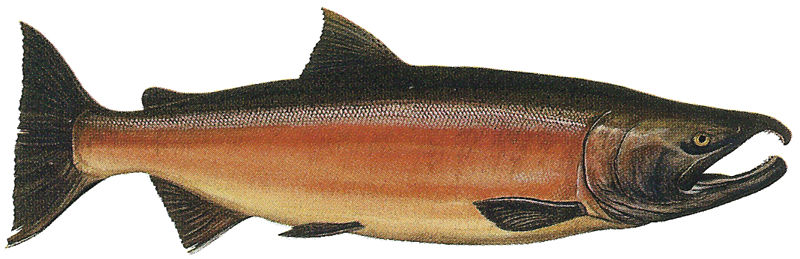
Coho salmon - public domain image

Coho salmon - public domain image

In 2008, a deadly virus decimated Chilean aquaculture facilities, causing $2 billion in damage and crippling an industry. This week, preliminary reports suggest that this same disease may have infected wild salmon in the north Pacific. The internet has been blowing up with news reports of Infectious Salmon Anemia (ISA) detected in wild salmon populations. Reports range from balanced - Deadly Fish Farm Virus Found in Wild Pacific Salmon – to hyperbolic - B.C.’s salmon feedlots need to be closed – but all hinge on the fact that ISA, a lethal salmon-infecting virus previously resigned to aquaculture facilities, has been detected in wild salmon populations in British Columbia. This has the potential to be a very big deal. ISA is 90% lethal and mortality occurs in 10 days or less. The virus is waterborn, but can also be transmitted through handling with contaminated equipment. There is no treatment once a fish is infected.

Before I go on, a couple points need to be clarified:

  1. ISA does not infect humans, though as it threatens a fishery and a major agricultural industry, it most certainly affects humans.
  2. ISA was isolated from 2 wild sockeye salmon. It has not been confirmed from independent test yet, although one statement indicates that the current infection is from a non-infectious strain of ISA (which raises some interesting questions about who currently knows what about this outbreak).

Continue reading Salmon, aquaculture, and the spread of Infectious Salmon Anemia