Andrew is a post-doctoral researcher in North Carolina focused on population and conservation genetics in hydrothermal vent communities.
David is a graduate student in Florida. He studies the ecology and conservation of sharks.
Amy is a graduate student in North Carolina studying local ecological knowledge within small scale fisheries.
Chuck is a graduate student in North Carolina focusing on apex predators and how they interact with fisheries.
Lyndell is a graduate student in North Carolina, studying the feeding ecology of cownose rays.
Iris is a graduate student in Washington studying habitat use and feeding habits of juvenile Pacific salmon and herring in Puget Sound.
Michael is a graduate student in Maryland investigating the visual systems of mantis shrimp.
|
By Amy Freitag, on January 9th, 2012

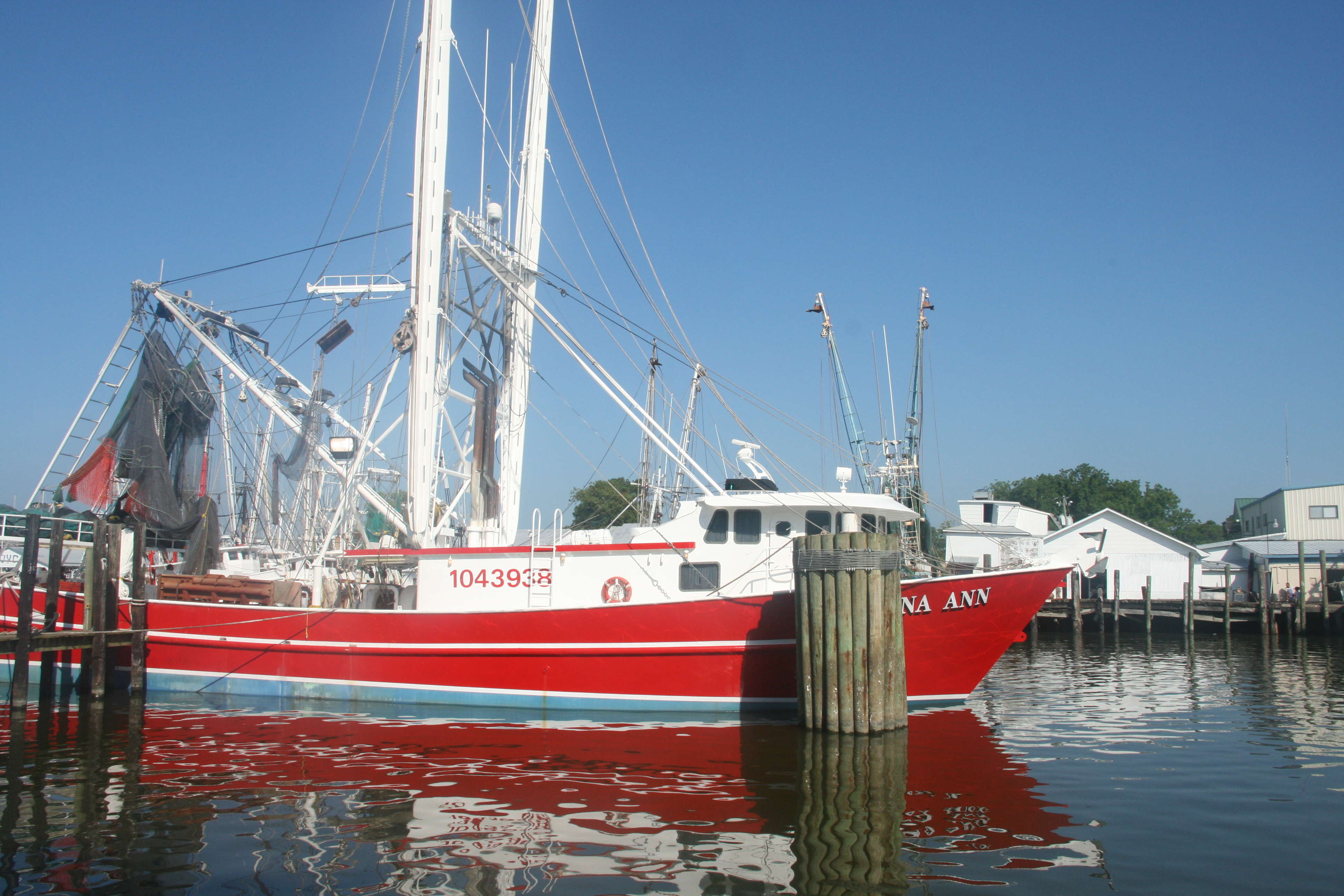
 commercial shrimper, photo by author
According to the Washington Post, the US has overcome bipartisan politicking long enough to enact amendments to the Magnusen-Stevens Act that puts all fishery stocks into management – not just those threatened by overfishing. In practice, that means each stock has an absolute maximum catch limit for 2012. Perhaps the most resounding success of this policy is that it actually addresses scientific criticism of current management (covered fairly well by MAST) that implementing catch limits for one species just shifts fishing effort to other species – which then must have yet another species-specific policy put in place after overfishing occurs. Implementing fishery management plans for all fishery species at once eliminates the by-the-seat-of-your-pants feeling that previous US management conjures.
Continue reading Bipartisan Fisheries Policy: A Worldwide First
By David Shiffman, on September 26th, 2011

 NAFO's logo
Last week, I previewed the annual NAFO meeting. Two elasmobranch conservation measures (reducing the Total Allowable Catch for thorny skates to the level that the scientific council recommended and requiring fishermen to report the species of the sharks they catch) were to be discussed. That meeting is now concluded, and the results, while not surprising, are disappointing. The Total Allowable Catch for thorny skates was reduced to 8500 metric tons, but is still higher than the 5000 metric tons recommended by the scientific council. Fishermen will now be required to report the “broad category” of sharks they catch, but not species.
“Although we are pleased that the NAFO skate quota will no longer be twice as high as scientists advise, it is still deeply disappointing to witness another year of the European Union and Canada putting the interests of their fishermen above their conservation commitments and the long-term health of exceptionally vulnerable populations,” said Sonja Fordham, President of Shark Advocates International.
Grading the players
The U.S. proposed and supported both policy changes. A
The European Union was only willing to support a 5,000 metric ton TAC if the fishery changed to free-for-all derby style fishing (which could result in EU fishermen getting the entire quota and not just a share of it). C-
Canada suggested slowly phasing in the new quota over the course of 2 years. C-
Bonus player grade: Japan was the only party that objected to fishermen having to report the species of shark that they caught. F.
By David Shiffman, on January 25th, 2011
Earlier this month, NOAA provided a list of “pirate fishing” countries to Congress. This report identifies Portugal, Italy, Venezuela, Colombia, Ecuador, and Panama as nations whose vessels engage in “illegal, unreported, unregulated” fishing.
Russell Smith, NOAA deputy assistant secretary for international fisheries, explains why this so-called pirate fishing is such a big deal:
“Illegal fishing must be stopped as it subjects our fishermen to unfair competition and undermines efforts to sustainably manage the valuable fish stocks around the world that so many communities depend on for food and jobs.”
The Pew Charitable trusts reports that an estimated 20% of all fish removed from the oceans are fished illegally. NOAA claims that this results in an annual loss of $23 billion to legal fisheries worldwide. Specifically, the six violator countries listed here are guilty of having:
“fishing vessels that did not comply with measures agreed to under various international fishery management organizations, such as closed fishing seasons, vessel registry lists, and a ban on the use of driftnets. Other violations included illegal gear modifications, fishing without authorization, and possession of undersized bluefin tuna.”
Continue reading Pirate fishing: far less awesome then it sounds
|
|
Recent Comments