Andrew is a post-doctoral researcher in North Carolina focused on population and conservation genetics in hydrothermal vent communities.


David is a graduate student in Florida. He studies the ecology and conservation of sharks.


Amy is a graduate student in North Carolina studying local ecological knowledge within small scale fisheries.


Chuck is a graduate student in North Carolina focusing on apex predators and how they interact with fisheries.


Lyndell is a graduate student in North Carolina, studying the feeding ecology of cownose rays.


Iris is a graduate student in Washington studying habitat use and feeding habits of juvenile Pacific salmon and herring in Puget Sound.


Michael is a graduate student in Maryland investigating the visual systems of mantis shrimp.


Archives

Surviving Grad School: What to expect from your stipend

AndrewThumbWelcome to graduate school. If you’re enrolled in a Ph.D. program in the sciences, you should expect to get a stipend. Stipends vary significantly depending on the program and university that you’re enrolled in. Some schools guarantee five years of support, some only guarantee one. Masters programs may or may not provide a stipend. The quality of the stipend is not necessarily a reflection of the quality of your program, but reflect the economic realities of academia.

Often, new students think that any stipend is too good to be true. After all, someone is paying you to go to school! Because of this confusing situation, graduate students may be uncomfortable talking about their stipend or discussing financial issues with their peers and mentors. But that stipend is central to your success as a happy, healthy, successful graduate student for one very simple reason:

Graduate school is a job, and you should expect to be paid for your work.

Continue reading Surviving Grad School: What to expect from your stipend

How to apply for a job working with sharks

A few weeks ago, I listed several common mistakes that people make when applying for a job in the field of shark science. This led to a lot of laughs and commiseration. It also led to a series of e-mails asking me how to apply for a shark science job.  These e-mails came from people in various stages of their lives, all the way from children to adults who already have another career. Since I had some laughs at the expense of people who apply for jobs incorrectly, it seems only fair that I offer my advice on how to do it correctly.

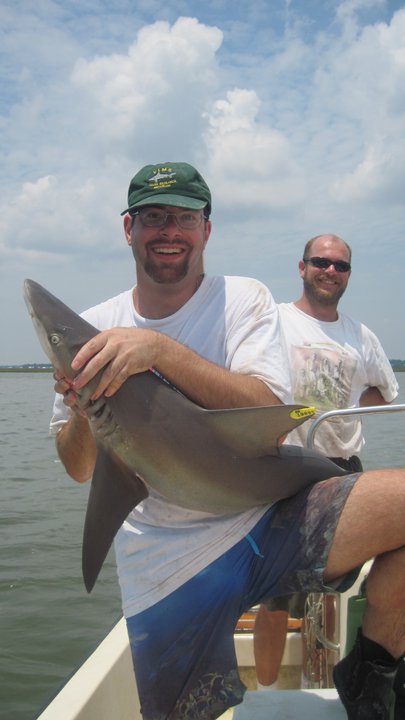
This photo of me with a sandbar shark was taken while working for the South Carolina coastal shark survey

It is important to note that I am describing the path that worked for me. There are many other paths, though there are likely lots of similarities with mine. Some may seem pretty straightforward, but what seems obvious to some can be a life-changing revelation for others. Most are applicable to science in general and not just sharks. Similar advice can be found on this excellent website from the Love lab.

Continue reading How to apply for a job working with sharks