
Flotsam (what we’re obsessed with right now)
- What Makes Things Slimy? Now, I’m just a humble country deep-sea ecologist, but I reckon it’s probably the slime.
- I’m not not considering this: I Live Alone in an Island Paradise.

Over 15 years of ocean science and conservation online
This Southern Fried Classic was first published July 13, 2017 and is one of Andrew’s all-time favorite articles. Wait, what? In 2017, Oregon State Police reported that a truck carrying a shipment of live hagfish overturned, spilling its slimy cargo all over the highway and damaging at least one vehicle. What’s a hagfish? Hagfish are … Read More “Your car has just been crushed by hagfish: Frequently Asked Questions” »
Flotsam (what we’re obsessed with right now)
Foghorn (A Call to Action!)
Flotsam (what we’re obsessed with right now)

Foghorn (A Call to Action!)
Flotsam (what we’re obsessed with right now)
Flotsam (what we’re obsessed with right now)
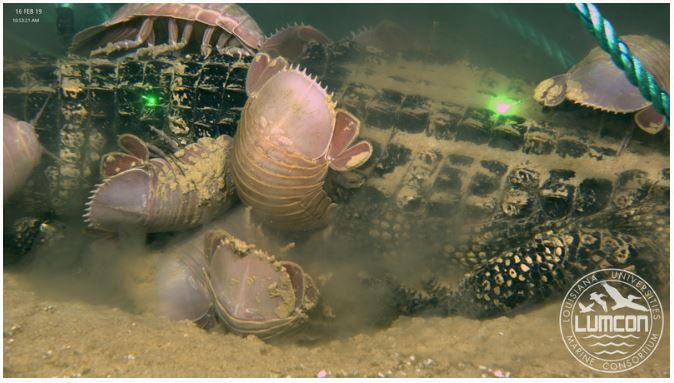
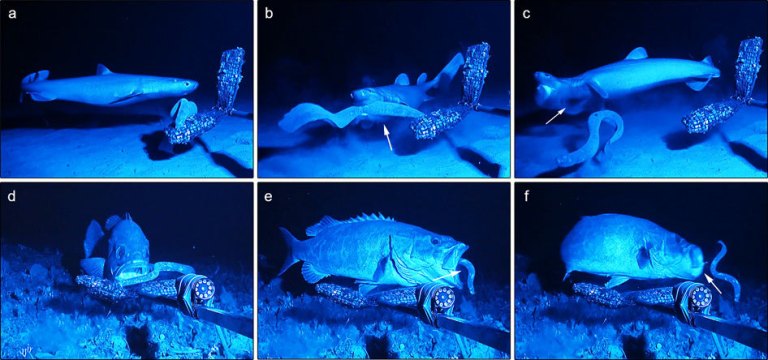
It’s all hagfish today, baby!
Foghorn (A Call to Action!)
It’s month two of the longest shutdown in US history and there’s only one party who won’t allow a vote to reopen the government proceed. Have you called you senator today?
And while I have your attention, FYI:
Flotsam (what we’re obsessed with right now)3-D Printing the Ulitmate Deep-Sea Christmas Tree
Hagfish. You love them. I love them. Of all the fish in all the seas, none are more magnificent than the hagfish. Across the world, children celebrate the hagfish by making slime from Elmer’s glue, their own mucous, or just, like, something. Seriously, how is is that toddler hands are always coated in some strange, unidentifiable slime?
And never, ever forget:
2018 was a big year in hagfish science. Below are just a few of my favorite studies.
A hagfish in the high Antarctic? Hagfish have previously never been observed in the shallow waters around Antarctic, but a photograph from 1988 was determined this year to be a hagfish feeding on a large pile of clam sperm in shallow water. Neat!
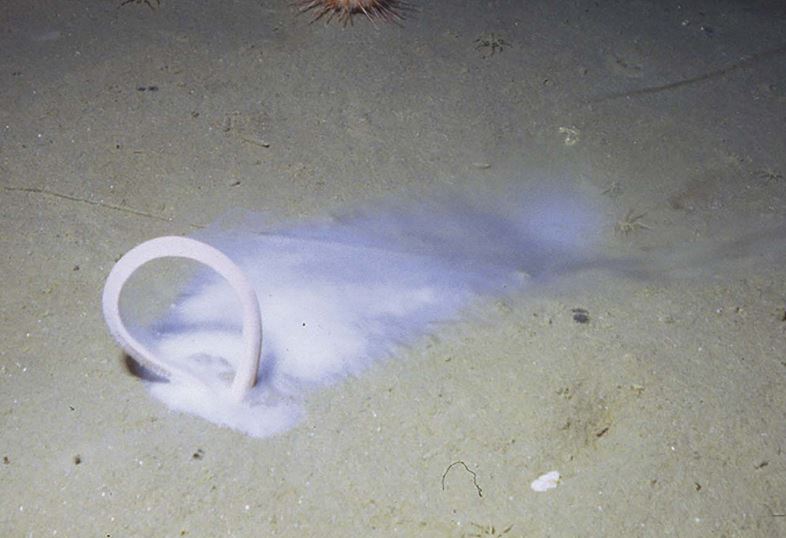
Incidentally, the reason the photo languished for so long is that it was originally though to be a Nemertean. Because Antarctic Nemertean worms are huge and horrifying.
Read More “All the slime that sticks, we print: 2018 in Hagfish Research” »
Foghorn (a call to action)
The U.S. is turning a significant portion of Micronesia into live fire and bombing ranges to train Marines. It has plans to completely take over one island for this purpose and has control of two-thirds of another island.
If people in the U.S. mainland understood the military’s plan for Micronesia they might be alarmed. But this is really happening to U.S. citizens living in America’s territories.
Flotsam (what we’re obsessed with right now)
The Levee (news from LUMCON)
Foghorn (A Call to Action!)
Flotsam (what we’re obsessed with right now)

Foghorn (A Call to Action!)
Flotsam (what we’re obsessed with right now)
Hagfish (just Hagfish)