Andrew is a post-doctoral researcher in North Carolina focused on population and conservation genetics in hydrothermal vent communities.


David is a graduate student in Florida. He studies the ecology and conservation of sharks.


Amy is a graduate student in North Carolina studying local ecological knowledge within small scale fisheries.


Chuck is a graduate student in North Carolina focusing on apex predators and how they interact with fisheries.


Lyndell is a graduate student in North Carolina, studying the feeding ecology of cownose rays.


Iris is a graduate student in Washington studying habitat use and feeding habits of juvenile Pacific salmon and herring in Puget Sound.


Michael is a graduate student in Maryland investigating the visual systems of mantis shrimp.


Archives

Misunderstood Marine Life # 5 – Lionfish

Thank You Joel Rotunda, ufwildlife.ifas.ufl.edu

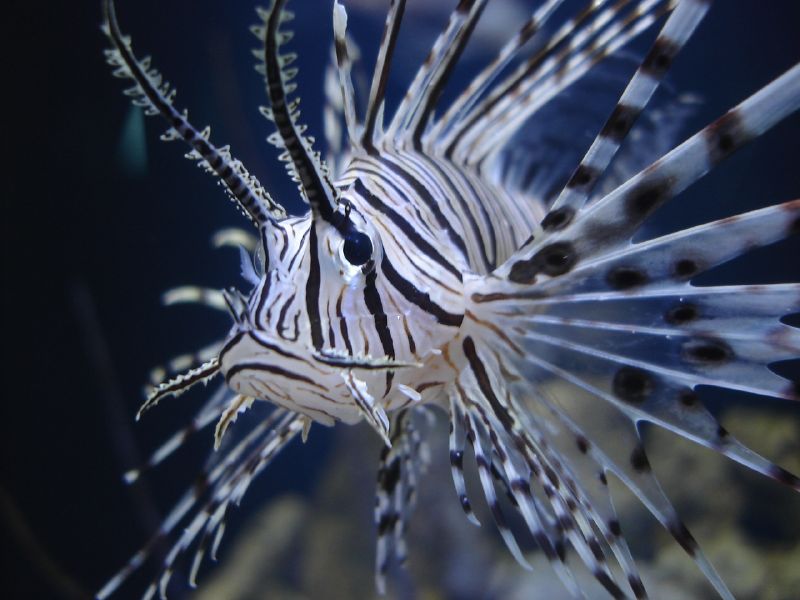
Last time you went to an aquarium, you probably saw a lionfish swimming happily in a tank filled with a bit of coral or rocky bottom, calmly flipping its fins about in the slight current created by the water pump. Now think back to the interpretive sign next to the tank – did it say that the exhibit displayed an invader or an awesome, weird aquarium fish? Depending on which part of the world you’re in, you might get a different answer. Along the east coast of the United States, though, it should say the former. Lionfish have spread from south Florida throughout the Caribbean and up to North Carolina, where they can be found on reef habitat (either natural or manmade via the sinking of ships) at a concentration of 400 fish per square meter. And they eat everything in sight.

Continue reading Misunderstood Marine Life # 5 — Lionfish

Biodiversity Wednesday: South Carolina’s Santee Cooper Lake System

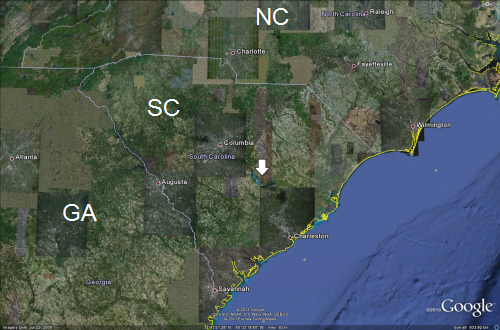
As part of our Biodiversity Wednesday series, we’ve discussed amazing ecosystems all over the world. This week’s post will focus on an area a little closer to home (at least a little closer to my home). The Santee Cooper lake system, home to unique fish and a fascinating history, is less than an hour from Charleston. If you’ve ever driven on I-95 through South Carolina, you’ve gone right over it.

The Santee-Cooper system is marked with a white arrow. Image created with Google Earth

Continue reading Biodiversity Wednesday: South Carolina’s Santee Cooper Lake System