
Bringing you the best of marine science and conservation from the last week.
Flotsam (what we’re obsessed with right now)
- More.
Jetsam (what we’re enjoying from around the web)
Over 15 years of ocean science and conservation online
Bringing you the best of marine science and conservation from the last week.
Flotsam (what we’re obsessed with right now)
Jetsam (what we’re enjoying from around the web)
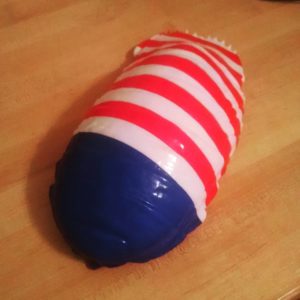 Southern Fried Science loves giant isopods. There are few deep-sea animals more iconic, more charismatic, more weird and wonderful, than the deep-sea isopod. The biggest of the deep-sea isopods, the giant deep-sea isopod, Bathynomus giganteus, is a quintessentially American beast. It dwells in the deep Gulf of Mexico. The bulk of its known range falls within the United States Exclusive Economic Zone. It was first collected by American scientist Alexander Agassiz (though it was formally described by his colleague and collaborator French zoologist Alphonse Milne-Edwards). Tough on the outside, soft on the inside, fiercely independent yet able to work in massive aggregations to consume the bloated carcass of a whale, alternately terrifying and adorable, I can think of no better animal to represent the deep water of the United States better than our own Bathynomous giganteus.
So today, with an historic election looming, we decided it was past time to reflect on the things we love, the things that unite us, the things that fill us with wonder, and call upon Congress to officially adopt the giant deep-sea isopod as the National Deep-sea Animal of the United States.
Read More “We love giant isopods and America should love them too!” »
Welcome back to another exciting installment of the incredible biodiversity of this incredible Aquaman cover. Today we’re investigating species 4 through 6, where we’ll meet one of my favorite mid-water fish.
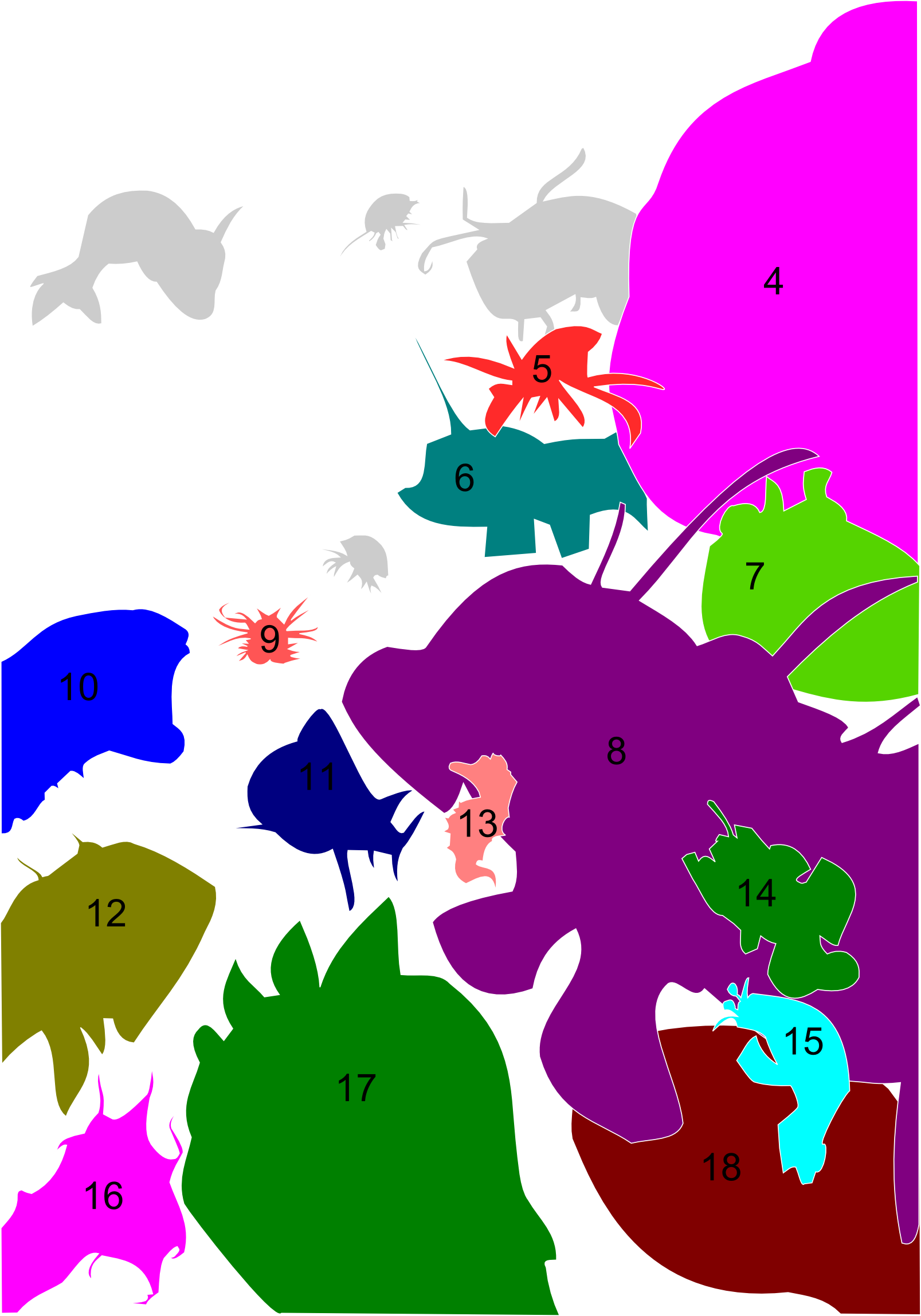
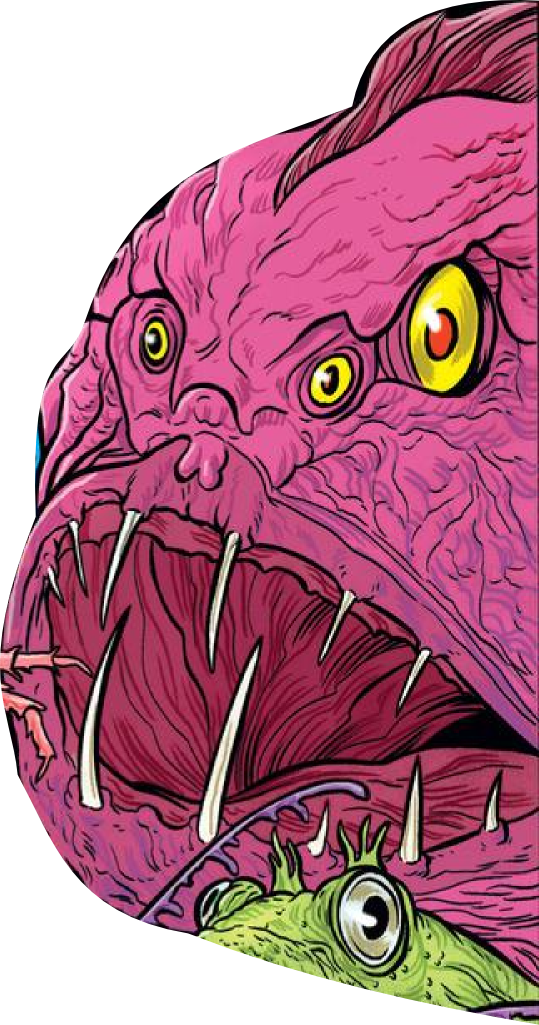 4. Fangtooth (Anoplogaster cornuta)
With the largest tooth-length-to-body ratio of any fish, the fangtooth has earned its menacing name. Unfortunately, this intimidating creature barely reaches 18 centimeters in length, hardly the massive, Batman-swallowing maw illustrated to the right. Fangtooths are among the deepest swimming fish. They can be found as far as 5000 meters down, though they are more common in the midwater (200-2000 meters).
Read More “The incredible biodiversity of Aquaman’s variant cover: Episode 2” »
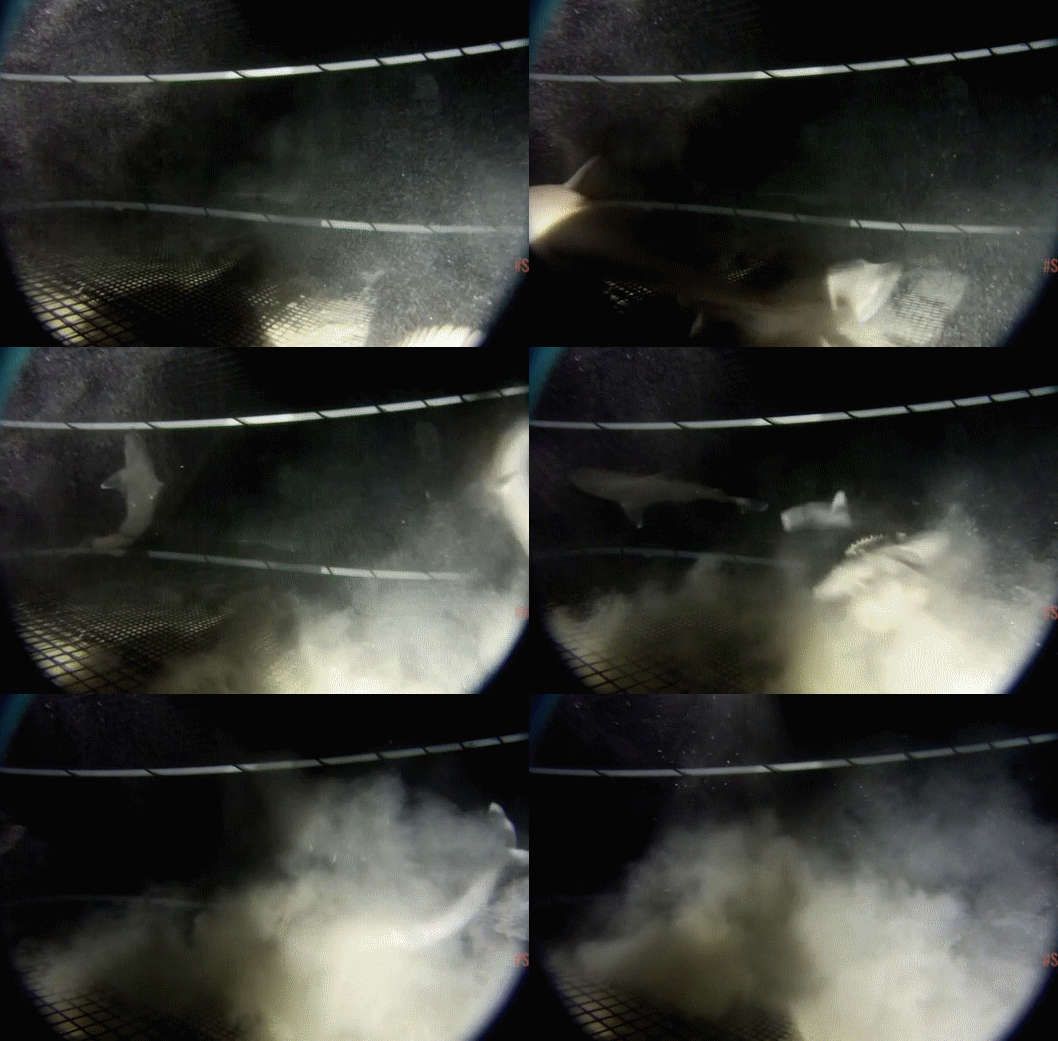
 You know the good stuff is going to keep rolling in from my research cruise to Mid-Cayman Spreading Center. At the end of JC82, we had the opportunity to join a bolt-on cruise to explore the seabed around Montserrat. During a biological survey of the surrounding abyssal plain, we twice stumbled on a giant deep-sea isopods hanging out on the sea floor, doing their isopod thing. This was my first opportunity to observe a giant deep-sea isopod (Bathynomus giganteus*) alive and in the wild. My previous experiences have been limited to well preserved specimens.
Giant isopod behavior is not something that falls within my expertise. Like Craig McClain at Deep Sea News, I’m fascinated by the evolution of their large body size and how a relatively abundant population of such giants can be supported in the food limited deep benthos. But giant isopods are not common in my study area and what little I know of their behavior comes from the very few videos available, mostly of them scavenging on baited camera traps. So I was pretty surprised when the ROV Isis came across this delightful giant maintaining its burrow.
httpv://youtu.be/5B2uT_Vp-UY
This isn’t the first time Bathynomus burrowing has been observed; the behavior is actually fairly well documented (at least, well-documented for deep-sea species). But as fascinating as watching a 20+ centimeter-long roly-poly digging it’s hole 800 meters deep on the seafloor near one of the most active volcanoes in the Caribbean is, what we found next was even more amazing:
Read More “Watch these giant deep-sea isopods go about their day” »
Now that Ocean of Pseudoscience Week has come to a close, we thought it would be a good time to talk about our favorite real sea monsters – amazing marine creatures that capture the imagination. For mine, we naturally have to take a trip to the deep sea to find Bathynomous, the giant deep-sea isopod. … Read More “Real Monsters – The Giant Isopod” »