Andrew is a freelance marine biologist in North Carolina focused on population and conservation genetics in hydrothermal vent communities.


David is a graduate student in Florida. He studies the ecology and conservation of sharks.


Amy is a graduate student in North Carolina studying local ecological knowledge within small scale fisheries.


Chuck is a graduate student in North Carolina focusing on apex predators and how they interact with fisheries.


Lyndell is a graduate student in North Carolina, studying the feeding ecology of cownose rays.


Iris is a graduate student in Washington studying habitat use and feeding habits of juvenile Pacific salmon and herring in Puget Sound.


Michael is a graduate student in Maryland investigating the visual systems of mantis shrimp.


Archives

Biodiversity Wednesday: Flesh eaters of the Savanna

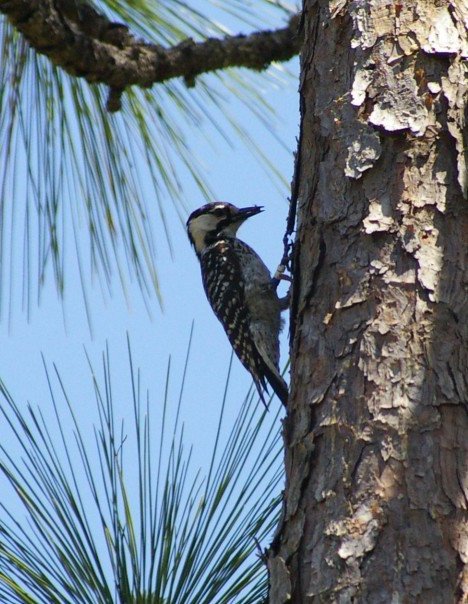
Red-cockaded Woodpecker in Croatan Forest. Photograph by Andrew David Thaler.

The wet, temperate understory of a longleaf pine savanna, is not the first place one would thing to search for some of nature’s most fearsome predators. These maritime ecosystems stretch down the Atlantic seaboard, from southern Virginia to northern Georgia, but are most common in North and South Carolina. Boomerang-shaped bays, called Carolina bays, formed behind ancient sand dunes, provide the foundation for these biodiversity rich regions. More than 50 endangered species are native to the Carolina lonfleaf pine savannas, including the Cape Fear Threetoothed land snail and the iconic Red-cockaded Woodpecker, but among the most evocative inhabitants of these pocosin wild-lands are the many-jawed monsters of the the understory – the Venus Flytrap.

Continue reading Biodiversity Wednesday: Flesh eaters of the Savanna