Andrew is a post-doctoral researcher in North Carolina focused on population and conservation genetics in hydrothermal vent communities.


David is a graduate student in Florida. He studies the ecology and conservation of sharks.


Amy is a graduate student in North Carolina studying local ecological knowledge within small scale fisheries.


Chuck is a graduate student in North Carolina focusing on apex predators and how they interact with fisheries.


Lyndell is a graduate student in North Carolina, studying the feeding ecology of cownose rays.


Iris is a graduate student in Washington studying habitat use and feeding habits of juvenile Pacific salmon and herring in Puget Sound.


Michael is a graduate student in Maryland investigating the visual systems of mantis shrimp.


Archives

Bipartisan Fisheries Policy: A Worldwide First

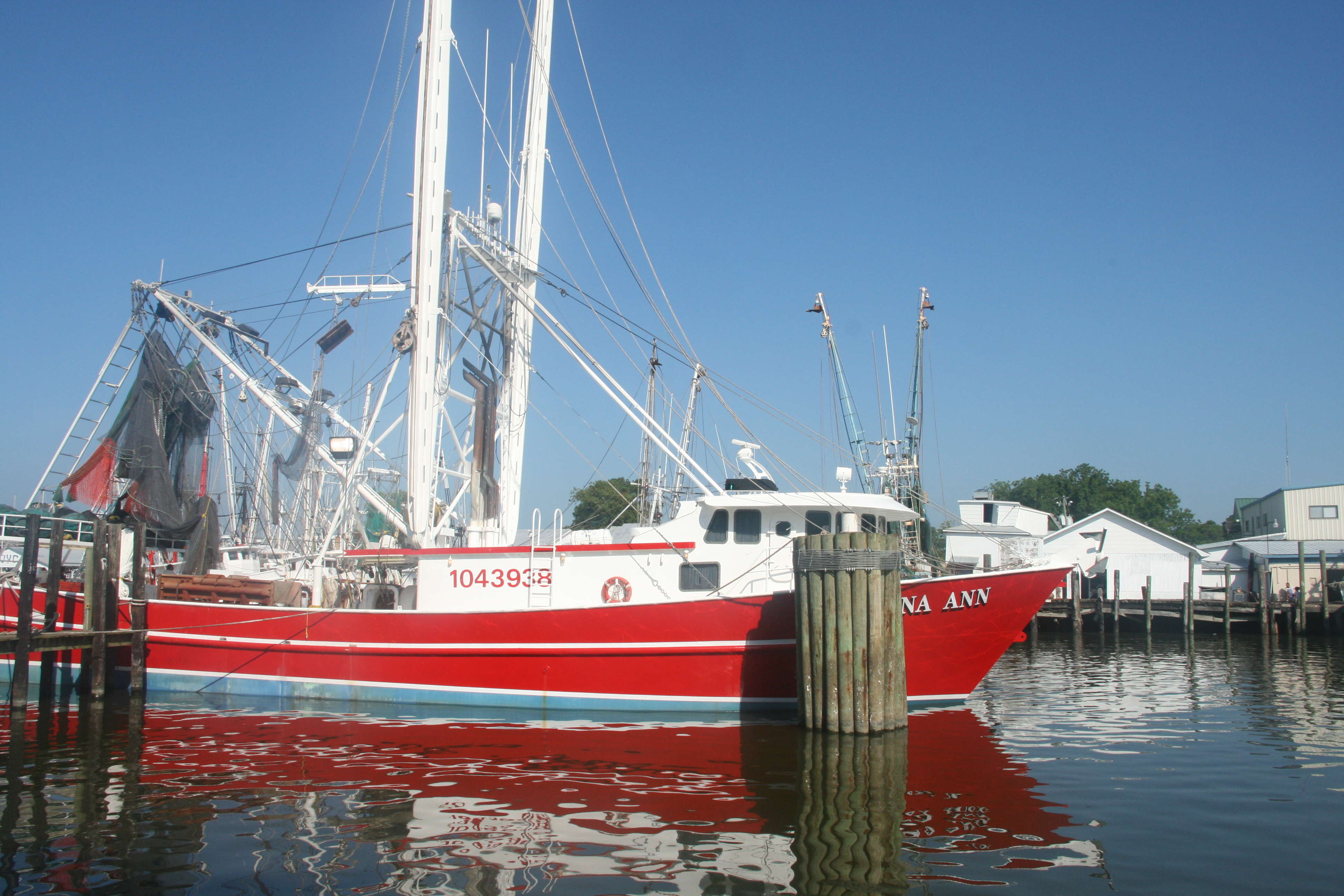
commercial shrimper, photo by author

According to the Washington Post, the US has overcome bipartisan politicking long enough to enact amendments to the Magnusen-Stevens Act that puts all fishery stocks into management – not just those threatened by overfishing. In practice, that means each stock has an absolute maximum catch limit for 2012. Perhaps the most resounding success of this policy is that it actually addresses scientific criticism of current management (covered fairly well by MAST) that implementing catch limits for one species just shifts fishing effort to other species – which then must have yet another species-specific policy put in place after overfishing occurs. Implementing fishery management plans for all fishery species at once eliminates the by-the-seat-of-your-pants feeling that previous US management conjures.

Continue reading Bipartisan Fisheries Policy: A Worldwide First