Andrew is a freelance marine biologist in North Carolina focused on population and conservation genetics in hydrothermal vent communities.


David is a graduate student in Florida. He studies the ecology and conservation of sharks.


Amy is a graduate student in North Carolina studying local ecological knowledge within small scale fisheries.


Chuck is a graduate student in North Carolina focusing on apex predators and how they interact with fisheries.


Lyndell is a graduate student in North Carolina, studying the feeding ecology of cownose rays.


Iris is a graduate student in Washington studying habitat use and feeding habits of juvenile Pacific salmon and herring in Puget Sound.


Michael is a graduate student in Maryland investigating the visual systems of mantis shrimp.


Archives

How to Make A Pretty Map

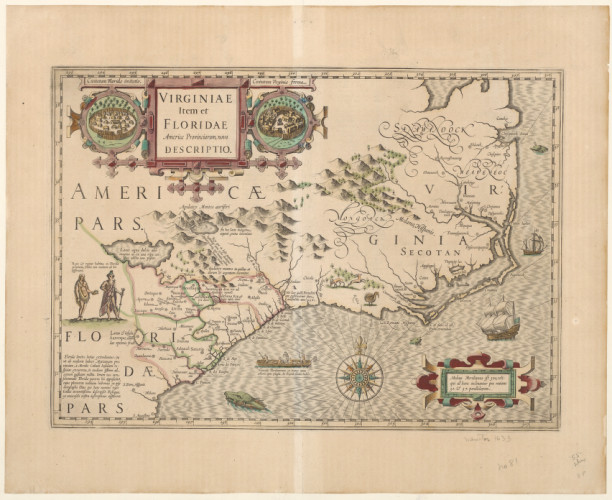
Cartographers of old produced maps that now hang in art galleries, living rooms, and libraries. They were works of art, embellished with the cartographer’s personality – from their handwriting to the fanciful borders of the page  and sometimes even sea creatures. Peruse for a moment this map of North Carolina (then part of the Virginia Colony) from 1636 – the ocean comes complete with ships and large toothy fish, the land depicts the western border of our country back then (the Appalachian mountains) and each tribal territory is nicely color-coded. The map not only gets its message across but says something about the mapmaker. Today’s cartography looks very different.

map from 1636 documenting tribal territories, courtesy of the NC Map Collection in the UNC library

Modern geographers are trained in geographic information systems, highly reliant on software and abundant data to make the required maps. GIS careers are in high demand from both sides – employer and employee – following the adage that a picture speaks 1000 words. Maps talk. But with this technological shift, much of the art is gone from cartography – but it doesn’t have to be. Continue reading How to Make A Pretty Map