Andrew is a post-doctoral researcher in North Carolina focused on population and conservation genetics in hydrothermal vent communities.


David is a graduate student in Florida. He studies the ecology and conservation of sharks.


Amy is a graduate student in North Carolina studying local ecological knowledge within small scale fisheries.


Chuck is a graduate student in North Carolina focusing on apex predators and how they interact with fisheries.


Lyndell is a graduate student in North Carolina, studying the feeding ecology of cownose rays.


Iris is a graduate student in Washington studying habitat use and feeding habits of juvenile Pacific salmon and herring in Puget Sound.


Michael is a graduate student in Maryland investigating the visual systems of mantis shrimp.


Archives

Saving Nemo: 1 out of 6 species that appear in Finding Nemo are threatened with extinction

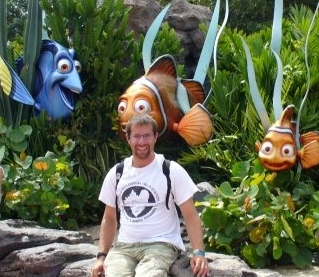
WhySharksMatter found Nemo at Disney's Living Seas Aquarium

Like most marine biology geeks, I’m a huge fan of Disney/Pixar’s “Finding Nemo”. In addition to a heartwarming story of a father trying to bring his son home to their aneme…anemeneme… amenememe… anemone,  the film showcases an enormous variety of beautiful real-life coral reef species. According to  research published today in Conservation Letters, however, we may soon only be able to see some of these animals in the movies. The paper, titled “Extinction Risk and Bottlenecks in the Conservation of Charismatic Marine Species”, concluded that many of the stars of Finding Nemo are in deep trouble.

Continue reading Saving Nemo: 1 out of 6 species that appear in Finding Nemo are threatened with extinction

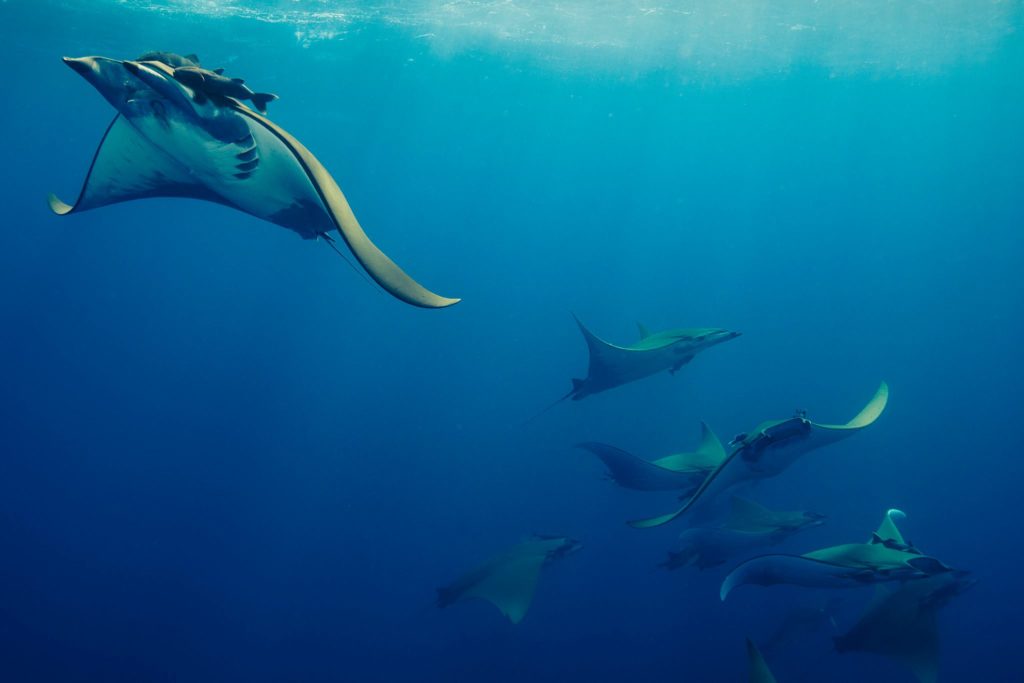
Threatened gentle giants: both species of manta ray added to the IUCN Red List

Manta rays are true gentle giants; though they can grow more than 20 feet wide from wingtip to wingtip, they eat only plankton. Swimming with these animals is a rare thrill for SCUBA divers, and manta-viewing ecotourism is worth over $100 million each year. Like many species of sharks, manta rays grow slowly and reproduce rarely. According to Dr. Nick Dulvy of the IUCN Shark Specialist Group, “ they give birth to an average of one offspring every two years…they are a long-lived species with little capacity to cope with modern fishing methods.”  They also migrate across huge distances, regularly crossing between national boundaries and spending much of their time on the high seas, making management difficult.

Photo credit: David Shiffman (Georgia Aquarium)

Although their biology cannot support a large-scale fishery and their behavior makes any fishery inherently difficult to manage, manta rays are very much in demand. At least part of them is: their gill rakers. According to Lucy Harrison, program officer for the IUCN Shark Specialist group, “Increasing demand for these fishes’ filter-feeding system for traditional Chinese medicinal purposes, especially in Hong Kong, is rapidly driving down their population everywhere.”

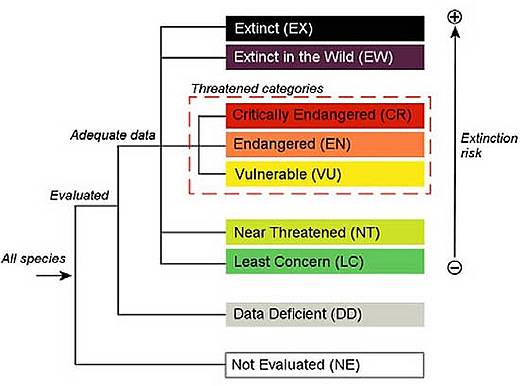
By some measures, the global population of manta rays has declined by more than 30% in recent decades, with some local populations facing much larger declines.  Earlier this week, an IUCN Shark Specialist Group team led by Andrea Marshall has concluded that both species of manta ray (the giant manta Manta birostris and the reef manta Manta alfredi) should be declared Vulnerable* to extinction.

The IUCN Shark Specialist Group recommends that several steps be taken to protect mantas from further population declines. These include discussing the value of international conservation treaties, such as CMS and CITES, for both species as well as national-level policy changes in countries that fish for mantas. Some of these proposals may benefit from the support of the online conservation community, so please stay tuned! I’ll continue to report on these suggested policies as they moves forward.


* “Vulnerable” in the context of an IUCN Red List status should be capitalized, as should other IUCN Red List statuses. For more information on what “Vulnerable” means, please visit the Red List website here.

Shark Science Monday: the Known Unknowns of Shark Conservation

“There are known knowns; there are things we know we know. We also know there are known unknowns, that is to say we know there are some things we do not know. But there are also unknown unknowns – the ones we don’t know we don’t know.” – Former U.S. Secretary of Defense Donald Rumsfeld.

As nature documentary viewers often hear, there is a lot about sharks and rays that scientists don’t know… but what are the most important things that we need to know? A new paper written by Colin Simpfendorfer, Will White, and former Shark Science Monday interview subjects Michelle Heupel and Nick Dulvy attempts to identify these “known unknowns” of shark and ray conservation. “The importance of research and public opinion to conservation management of sharks and rays: a synthesis”, which arose out of the 2010 Sharks International conference, is the most complete record ever created of the research questions that we need to answer in order to better conserve and manage these animals. For young shark researchers eager to work on projects with practical conservation importance, this paper is a great place to start looking for ideas. Additionally, future published work that claims to be important for conservation and management would do well to cite it, and anyone interested in this subject should read it.

Continue reading Shark Science Monday: the Known Unknowns of Shark Conservation

Shark Science Monday: Nick Dulvy talks about determining shark’s conservation status

In this week’s edition of Shark Science Monday, Nick Dulvy, co-chair of the IUCN Shark Specialist Group, discusses how researchers determine the conservation status of shark species.

If you have a question for Nick, leave it below and I’ll make sure he sees it.