Read More “Walrus Attacks, Windships, Wild Oysters, and More! Weekly Salvage: September 30, 2019” »
Tag: ocean acidification
Weekly Salvage

Photos courtesy Dr. Craig McClain via Deep Sea News.
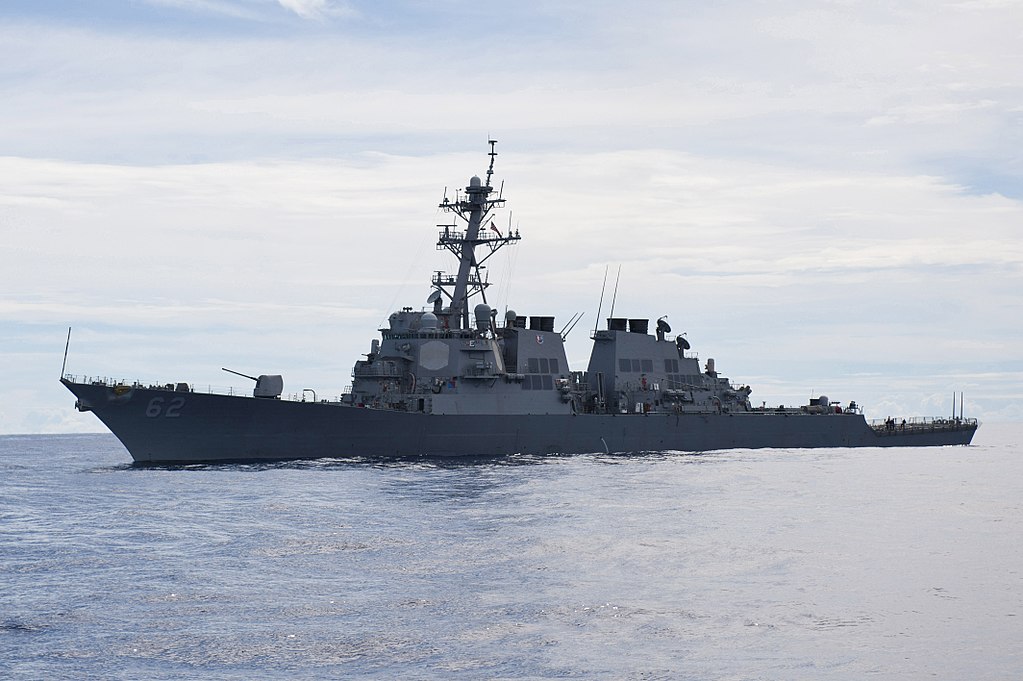
USS Fitzgerald. Public domain photo.
Flotsam (what we’re obsessed with right now)
What do you do if you find yourself at the helm of a major Louisiana marine science institution? If you’re Dr. Craig McClain, you plant the first experimental Alligator falls in the deep Gulf of Mexico!
On the other hand, if you find yourself at the helm of a US Navy destroyer, you might want to review this incredible and exhaustive accounting of the USS Fitzgerald disaster and how training deficits, exhaustion, and poor decision making compounded to create a deadly situation.
Weekly Salvage
Foghorn (A Call to Action!)
- Great ocean outreach webinar: Bless your coast: communicating acidification with lessons learned in the Southeast. Tune in June 13th at 1 PM EDT!
Flotsam (what we’re obsessed with right now)
- Another entry into the “A Deeper Sea” keeps coming true file: Sperm whales are tracking fishing boats and stealing their fish.
- I’m bummed to be missing Dinacon, but they’re putting out some awesome videos. Ever wonder how to crack open a coconut?
- Join in on an oceanographic cruise already underway! Follow along with the Porcupine Abyssal Plain Observatory.
- Introducing #OceanX and #Alucia2, a bold new initiative to explore the ocean and bring it back to the world! Yes please!
Uncategorized
Cuttings (short and sweet): Follow Louise Chavarie, an Arctic aquatic ecologist, on twitter! A squid-skin inspired invisibility cloak. From Nature News research updates. Underwater noise pollution disturbs fish, too. From CBC News. NOAA publishes list of global fisheries and their risks to marine mammals. By John Cannon, for MongaBay Antarctic ice melting faster than thought. By … Read More “Invisible squid and fish with glowing eye spikes: Thursday Afternoon Dredging, April 5th, 2018” »
Uncategorized
Cuttings (short and sweet): Follow shark and ray biologist Jeremy Vaudo on twitter! Science may have a reason why whales get so big. By Carrie Arnold, for National Geographic. Paleo profile: The fish from China. By Brian Switek, for Scientific American. Mass stranding in Australia claims 130 whales. Video, for the Guardian. Spoils (long reads and … Read More “Giant whales and collapsing cod stocks: Thursday Afternoon Dredging, March 29th, 2018” »
Uncategorized
Cuttings (short and sweet): Follow Travis Tai, a graduate student studying climate change and fisheries, on twitter! Thumbnail-sized pygmy squid discovered in Australia. By Shreya Dasgupta, for MongaBay. This octopus is 40,000 times heavier than its mate. By Liz Langley, for National Geographic. Seal poo reveals plastic’s path in the sea. Nature research highlights. Grass is … Read More “Giant penguin colonies and tiny squid: Thursday Afternoon Dredging, March 8th, 2018” »
Weekly Salvage
Flotsam (what we’re obsessed with right now)
- 2017 Year in Climate. It’s been a wild, woolly years of climate highs and policy lows.
- Fossils of Congress, featuring real, non-elected fossils, found around DC, might be my new favorite thing.
Uncategorized
Cuttings (short and sweet):
- Watch aquarists at the PPG Aquarium at the Pittsburgh zoo target train a zebra shark so it comes when it’s called
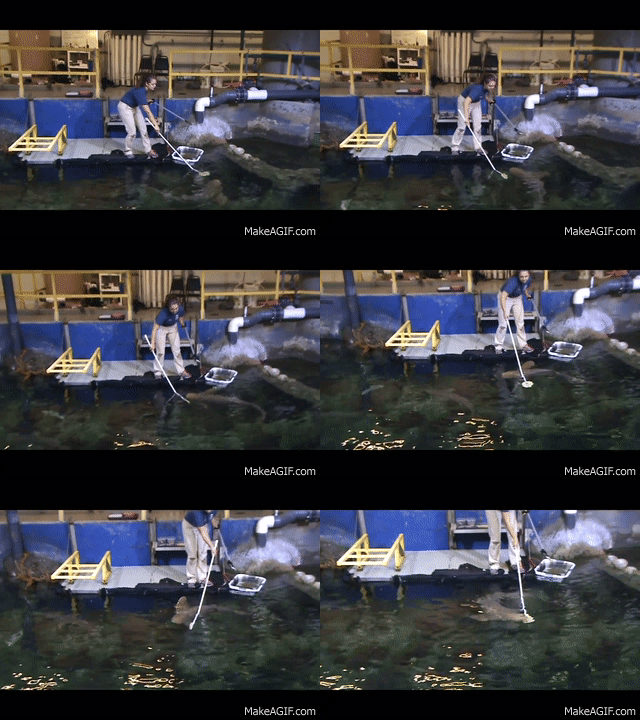
Video by PennLive.com - Follow PNG Sharks and Rays, a twitter account associated with a project studying “one of the last frontiers of marine biodiversity research,” on twitter.
- 5 things you should know about the Marine Mammal Protection Act. By Katie Hogge, for the Ocean Conservancy blog.
- First vaquita “rescued” in effort to save the species. By John Cannon, for MongaBay.
Weekly Salvage
Fog Horn (A Call to Action)
- Hakai Magazine want to hear from you! Dear Hakai Magazine Reader, Who Are You?
Flotsam (what we’re obsessed with right now)
- Everything Tangier is utterly fascinating right now: Angry messages to the Trump-supporting mayor of Tangier Island illustrate a need to listen, not to shout.
- I’m still just dumbfounded by this: Did a Glowing Sea Creature Help Push the U.S. Into the Vietnam War? In other words, Ocean Literacy could save us all from annihilation.
- I really hope you’re not sick of hagfish yet. Because Hagfish!
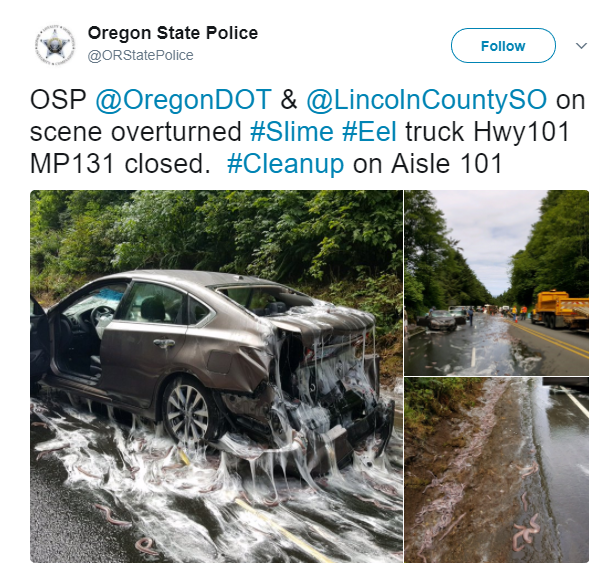
- Best headline, ever: Sea Spiders Pump Blood With Their Guts, Not Their Hearts.
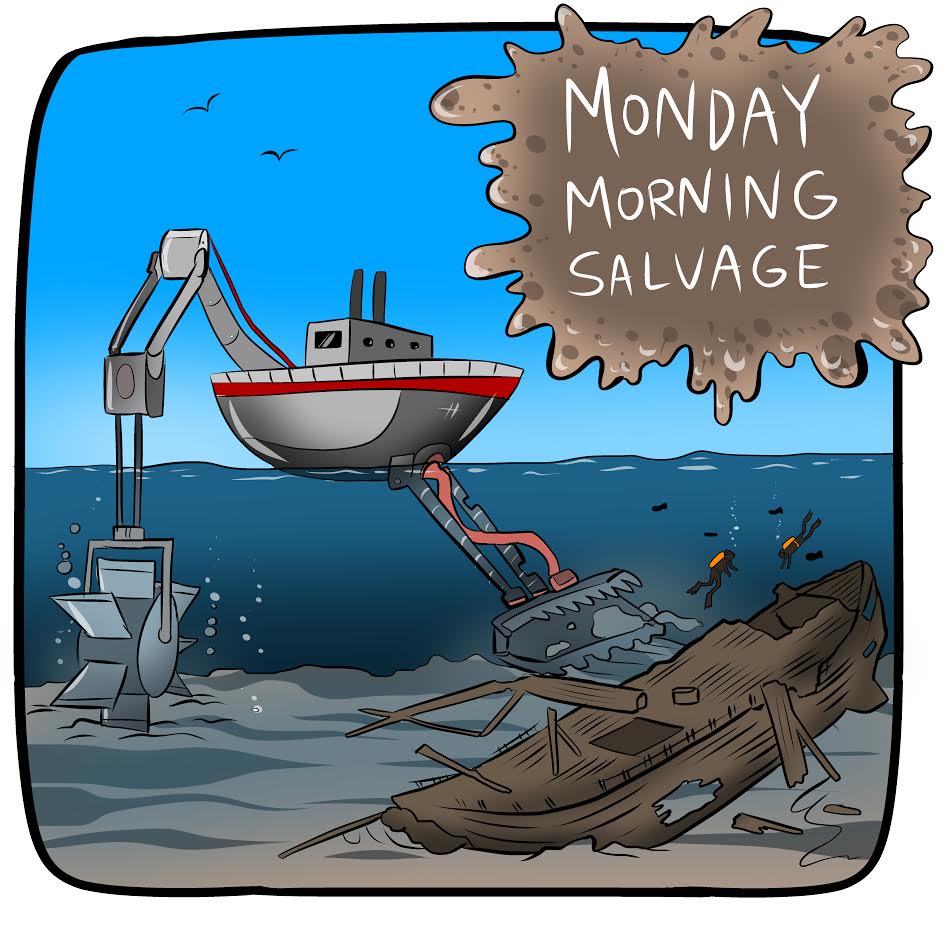
Weekly Salvage
Flotsam (what we’re obsessed with right now)
- This cuttlefish:
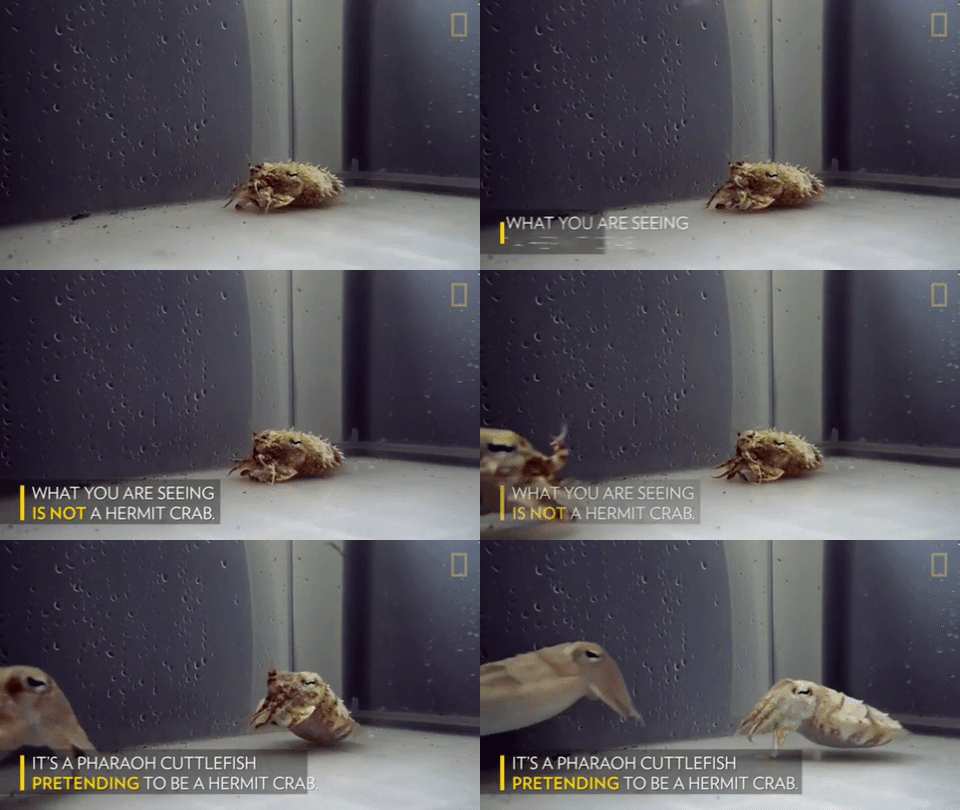
- Thanks to Nik Hubbard for bringing it to our attention.