Andrew is a freelance marine biologist in North Carolina focused on population and conservation genetics in hydrothermal vent communities.


David is a graduate student in Florida. He studies the ecology and conservation of sharks.


Amy is a graduate student in North Carolina studying local ecological knowledge within small scale fisheries.


Chuck is a graduate student in North Carolina focusing on apex predators and how they interact with fisheries.


Lyndell is a graduate student in North Carolina, studying the feeding ecology of cownose rays.


Iris is a graduate student in Washington studying habitat use and feeding habits of juvenile Pacific salmon and herring in Puget Sound.


Michael is a graduate student in Maryland investigating the visual systems of mantis shrimp.


Archives

Bad news for whale sharks: The world’s largest fish are being killed for bait and billboards

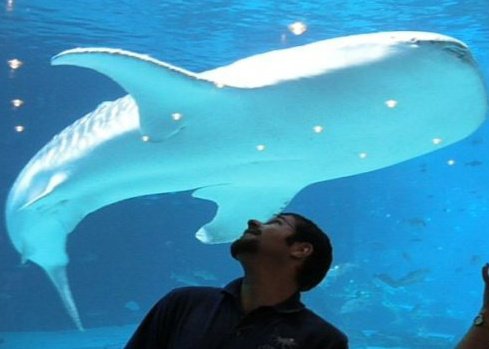
WhySharksMatter and a whale shark at the Georgia Aquarium

The world’s largest shark eats only plankton, couldn’t bite a human if it wanted to, and is one of the few sharks that could be reasonably described as beautiful. Globally, SCUBA divers pay an estimated $50 million each year for the chance to swim with these incredible fish. Their long migrations through international waters makes international cooperation necessary to protect them, which is particularly important because the 30 years it can take for these animals to reach reproductive maturity means that populations will take a long time to recover if they are overexploited. They’re listed by the IUCN Shark Specialist Group as Vulnerable globally. Between their charismatic nature, their inability to harm humans, and their value to ecotourism, it should be easy to convince governments to protect whale sharks *, making two recent reports all the more shocking.

Continue reading Bad news for whale sharks: The world’s largest fish are being killed for bait and billboards