Andrew is a freelance marine biologist in North Carolina focused on population and conservation genetics in hydrothermal vent communities.


David is a graduate student in Florida. He studies the ecology and conservation of sharks.


Amy is a graduate student in North Carolina studying local ecological knowledge within small scale fisheries.


Chuck is a graduate student in North Carolina focusing on apex predators and how they interact with fisheries.


Lyndell is a graduate student in North Carolina, studying the feeding ecology of cownose rays.


Iris is a graduate student in Washington studying habitat use and feeding habits of juvenile Pacific salmon and herring in Puget Sound.


Michael is a graduate student in Maryland investigating the visual systems of mantis shrimp.


Archives

#TaxonomyFail: Salps, Jellyfish, and the Diablo Canyon Nuclear Power Plant

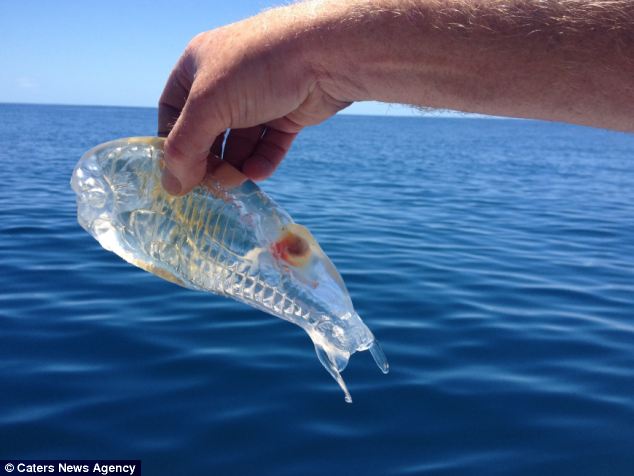
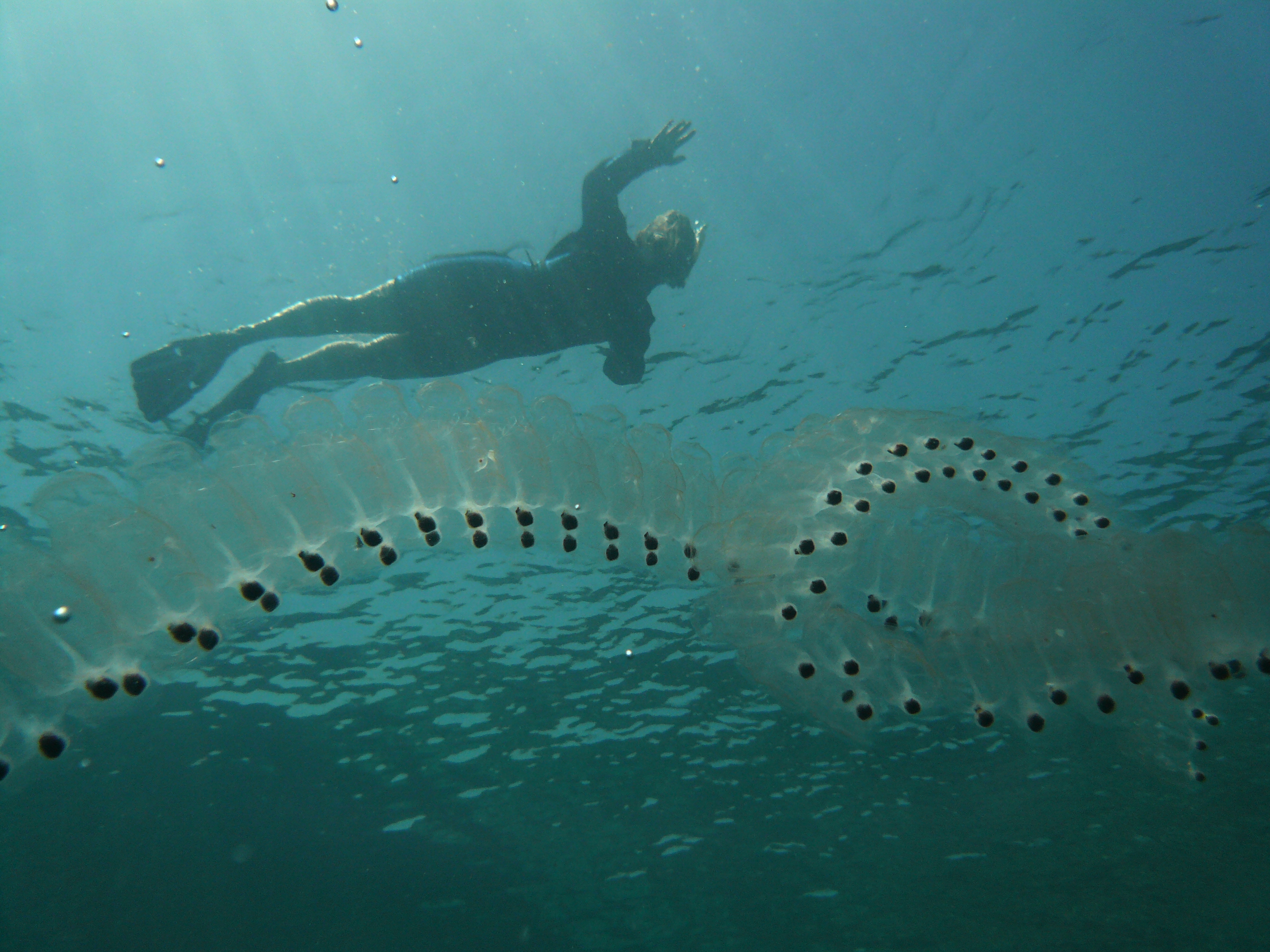
I’m a bit late to the party, but last week, several news outlets reported that the Diablo Canyon Nuclear Power Plant was taken offline by “jellyfish-like creatures” that clogged several cooling intakes. While most sources were careful to point out that these were “jellyfish-like” organisms, some secondary sources truncated the description and announced that “Nuclear Power Plant Knocked Offline By Tiny Jellyfish, The Invasion Has Begun”. Unfortunately, these organisms are salps, not jellyfish, and you’d be more correct to describe them as human-like rather than jellyfish-like.

Salps, photo by Lars Plougmann

Salps, photo by Lars Plougmann

Salps are free-swimming pelagic tunicates, one of the most basal members of the chordate phylum. While they superficially resemble jellies to the untrained eye, they are far more derived, possessing three tissue layers (compared to the jelly’s two), a primitive, larval notochord, a perforated pharynx, and the rudimentary beginnings of a centralized nervous system. They form large, clonal colonies that are able to take advantage of plankton blooms by rapidly producing more clones to capitalize on an unpredicatable food source. Although I don’t have first hand reports, this is likely what happened in Diablo Canyon, as warm water discharges from nuclear power plants can trigger massive plankton blooms. Far from a “jellyfish invasion”, this was probably the natural response of a predator to increased food availability.

Continue reading #TaxonomyFail: Salps, Jellyfish, and the Diablo Canyon Nuclear Power Plant