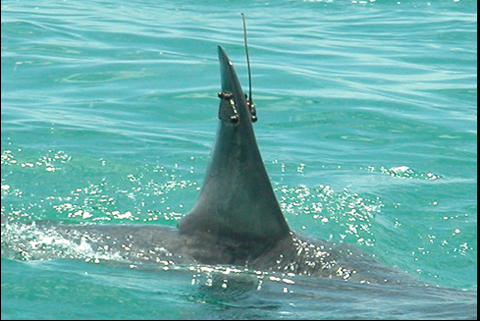
Oceanic whitetip sharks are considered by many to be a poster-child for shark conservation. Once one of the most abundant species of pelagic sharks on Earth, unregulated overfishing throughout their global range had led to a precipitous decline in their population. In some parts of their range, the species has declined in population by more than 70% in the last few decades. Scientists haven’t been able to find them in significant numbers for many years. One of the few remaining known aggregation sites is Cat Island in the Bahamas, and that’s where an international team of researchers just went to find these animals.

Read More “International research team tracks threatened oceanic whitetip sharks” »