Andrew is a post-doctoral researcher in North Carolina focused on population and conservation genetics in hydrothermal vent communities.


David is a graduate student in Florida. He studies the ecology and conservation of sharks.


Amy is a graduate student in North Carolina studying local ecological knowledge within small scale fisheries.


Chuck is a graduate student in North Carolina focusing on apex predators and how they interact with fisheries.


Lyndell is a graduate student in North Carolina, studying the feeding ecology of cownose rays.


Iris is a graduate student in Washington studying habitat use and feeding habits of juvenile Pacific salmon and herring in Puget Sound.


Michael is a graduate student in Maryland investigating the visual systems of mantis shrimp.


Archives

#SciFund Returns: Seahorse Adventures

#SciFund, a month long initiative to raise funds for a variety of scientific research projects, is once again upon us. Project leaders post a project description and an appeal for funds, and members of the public are invited to make small donations to projects that they deem worthy. Donations come with rewards such as access to project logs, images from fieldwork, your name in the acknowledgements of publications, among other possibilities. Many of these projects are marine or conservation themed. Once again, we’re highlighting some of our favorite marine science proposals. Please take a look at these projects and, should you so desire, send some financial support their way. If you do make a donation, let them know how you found out about their project and leave a comment (anonymous if you’d like) on this post letting us know.


Seahorse Adventures

Charismatic and charming, for many people around the world seahorses capture the enigmatic beauty of marine life. Moreover, many fishers depend on seahorses, which they catch for the aquarium and traditional medicine trades. However, many seahorses are under threat from habitat destruction, overfishing and bycatch (accidental capture in fisheries). We must find ways to make seahorse fisheries sustainable for the sake of both seahorses and the people that depend on them. Unfortunately, achieving sustainability is complicated by a poor understanding of the basic ecology of seahorses – like what do they eat? and how does this help them to grow and reproduce?<

source

For Seahorse Adventures, graduate student Lindsay Aylesworth is looking for funding to support a local research assistant in southeast Asia, where she studies seahorse populations and fisheries interactions. I’ve got a long history with syngnathids, so appreciate any research done on the ocean’s oddest fishes. Head on over to Lindsay’s project page and send some rocket fuel her way!

Saving Nemo: 1 out of 6 species that appear in Finding Nemo are threatened with extinction

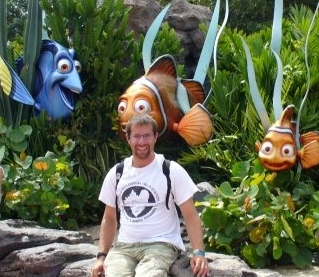
WhySharksMatter found Nemo at Disney's Living Seas Aquarium

Like most marine biology geeks, I’m a huge fan of Disney/Pixar’s “Finding Nemo”. In addition to a heartwarming story of a father trying to bring his son home to their aneme…anemeneme… amenememe… anemone,  the film showcases an enormous variety of beautiful real-life coral reef species. According to  research published today in Conservation Letters, however, we may soon only be able to see some of these animals in the movies. The paper, titled “Extinction Risk and Bottlenecks in the Conservation of Charismatic Marine Species”, concluded that many of the stars of Finding Nemo are in deep trouble.

Continue reading Saving Nemo: 1 out of 6 species that appear in Finding Nemo are threatened with extinction

Non-Monophyly within Syngnathidae

ResearchBlogging.org

Objective 1: Develop the least publicly accessible title for a blog post about seadragons, mate selection, and evolution

Objective 1 Status: complete

Objective 2: Draw in whatever readers push passed the unwieldy title with an unconventional narrative structure.

Objective 2 Status: complete

Objective 3: Hook the reader with a fascinating, though brief, background on seahorses, seadragons, and pipefish.

Continue reading Non-Monophyly within Syngnathidae