
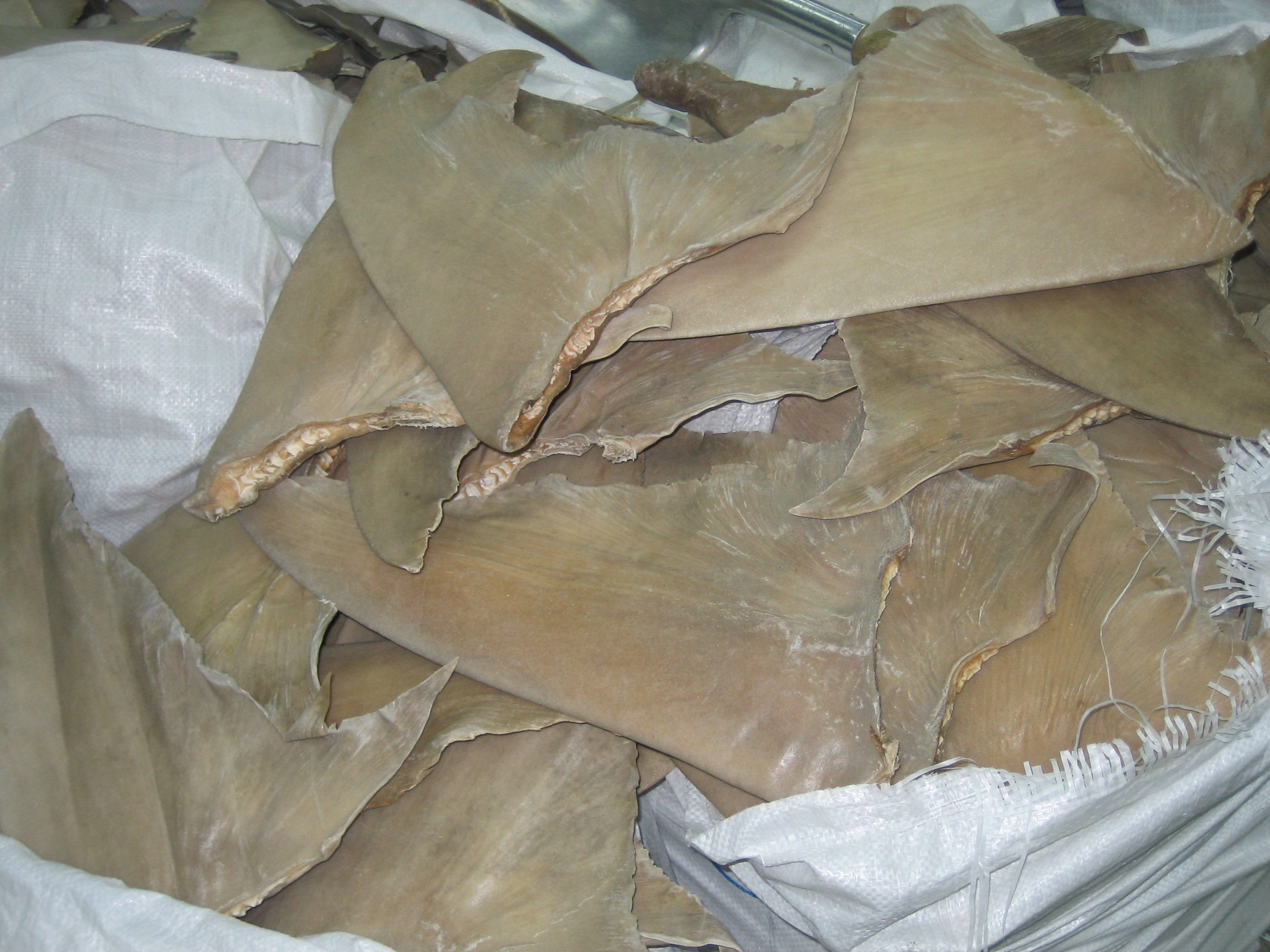
All eyes in the shark world are focused on Belgium, where the European Parliament’s Fisheries Committee votes Wednesday on one of the most significant conservation policies in years: a stronger EU-wide ban on shark finning via a prohibition on removing sharks at sea, with no more exceptions. Since some of the details are quite technical, emotions are running high, and a lot of misinformation is spreading, I’ve prepared a quick guide to help our readers understand the proposed policy. For much more detailed updates, follow the Shark Alliance’s blog.
1) The proposed policy would strengthen the current EU finning ban, not ban fins. As has previously been discussed, some of the language surrounding shark conservation policy can be confusing. As a reminder, shark finning is the act of removing fins from a shark at sea and dumping the body overboard. Finning of live sharks is incredibly inhumane (the “finned” shark will bleed to death or drown when dumped overboard), and incredibly wasteful whether the shark is alive or dead (less than 5% of the shark is used). Scientists are almost universally opposed to shark finning because it is often associated with unsustainable fishing and the practice makes it difficult for managers to know what species of shark the fin came from. The policy that the European Parliament is voting on is an amendment to the current EU “finning ban”,” which relies on a complicated and lenient fin to carcass ratio for enforcement. The European Commission has proposed requiring that sharks be landed with fins still attached, which would strengthen enforcement and data collection capabilities. This is not a “fin ban” that would make it illegal to buy, sell, or possess fins.