Andrew is a post-doctoral researcher in North Carolina focused on population and conservation genetics in hydrothermal vent communities.


David is a graduate student in Florida. He studies the ecology and conservation of sharks.


Amy is a graduate student in North Carolina studying local ecological knowledge within small scale fisheries.


Chuck is a graduate student in North Carolina focusing on apex predators and how they interact with fisheries.


Lyndell is a graduate student in North Carolina, studying the feeding ecology of cownose rays.


Iris is a graduate student in Washington studying habitat use and feeding habits of juvenile Pacific salmon and herring in Puget Sound.


Michael is a graduate student in Maryland investigating the visual systems of mantis shrimp.


Archives

50 Shades of Grey Reef Shark: A Valentine’s Day Special Report on Shark Sex (With Pictures! And Video!)

davesquare

As many of our readers prepare for a romantic evening with their special someone (or a Single’s Awareness Day celebration with friends), I invite you to take a few minutes and learn how our toothy friends in the ocean do it. And by “do it”, I mean “do it”. Here are 10 things you might not have known about shark sex.

1) Sharks have external reproductive organs. A male shark has reproductive organs called “claspers” (yes, there are two of them), and females have a “cloaca”. As I regularly tell the high school students who join us for shark research trips, even if you don’t have a degree in marine biology, you’ll quickly recognize what you’re looking at.
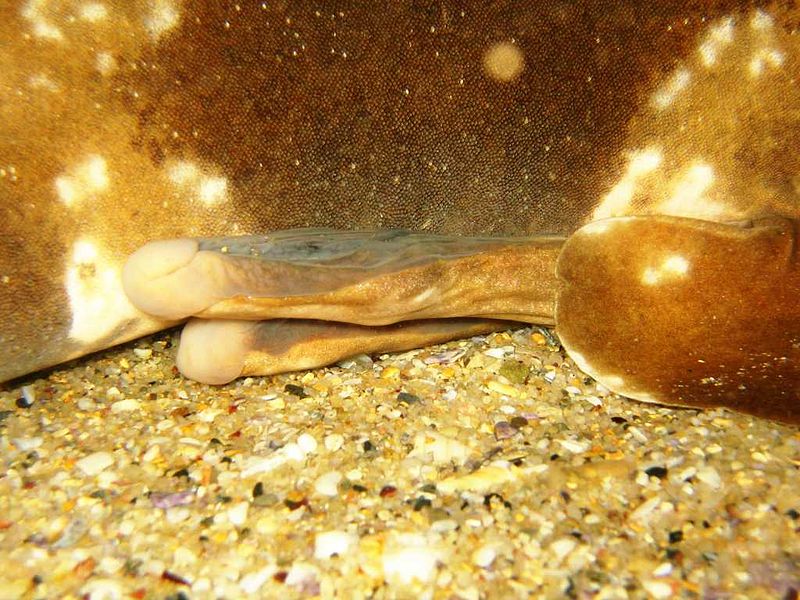
A closeup of claspers (male reproductive organs) on a spotted Wobbegong shark. Photo credit: Richard Ling, WikiMedia Commons

A closeup of claspers (male reproductive organs) on a spotted Wobbegong shark. Photo credit: Richard Ling, WikiMedia Commons

Continue reading 50 Shades of Grey Reef Shark: A Valentine’s Day Special Report on Shark Sex (With Pictures! And Video!)