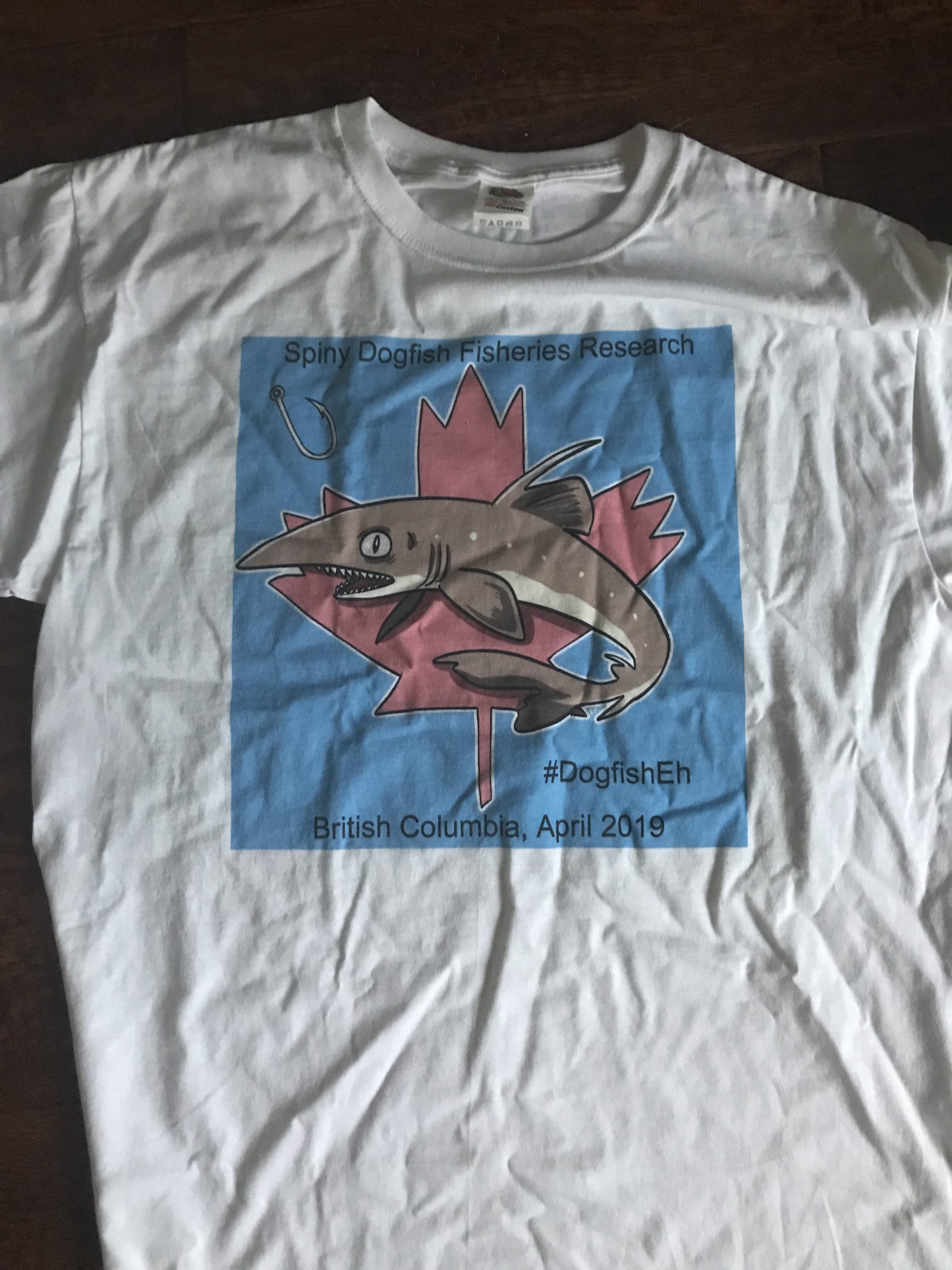
A lot of debate among conservationists centers on the conflict between the desire to see a species totally protected from human exploitation and the reality that market forces will continue to exist (see the latest on shark fin bans for a very good example). Ideally, a conservation plan should strike a balance, ensuring the continued existence of the species while still allowing people to profit from it in some way. This also requires a clear idea of the limitations of conservation policies. For example, US policies (even the mighty Endangered Species Act) only directly affect populations within the territorial waters of the United States, while international agreements like CITES restrict trade of the species without telling any particular country what to do domestically. However, there are ways to track the interaction between conservation policies and the market, making it possible to make some predictions on how things like fishery management plans and CITES listings might affect trade. Then it gets interesting. Armed with this knowledge, can the market be pushed towards species conservation?
Today, Pew unleashed a mini-media blitz on the importance of predation in fisheries management. This got my attention because the interaction between marine predators and fisheries is one of my major research interests. They do a great (and slickly-designed) job explaining the basics of why paying attention to predation matters in fisheries management, and bonus points for using the most noble of sharks as one of their examples. Check out the video here:
I particularly like that they go into enough detail to lay out options for incorporating predation into fisheries. Personally, I’m a big fan of the “second fleet” option, in which predators are counted as another source of fishing mortality (and some of my favorite papers are cited in support of it). It does require the most effort, but provides the most accurate estimations of predation mortality (and justifies funding for diet studies? Please?). Multi-species models are ideal, and really the only way to conclusively prove that trophic cascades are actually happening. Precautionary buffers, in my opinion, should really follow thorough diet studies, but are certainly another important aspect of ecosystem-based management.
It’s neat to finally see this subject getting some attention. Here’s hoping the word continues to get out about the importance of shark puke.
It’s not every day that catching up on scientific literature causes you to almost do a spit-take on your laptop screen. This happened to me recently due to the weird and wild world of aquaculture. Aquaculture is the practice of growing aquatic animals such as fish and shellfish for the purpose of food, and has been held up as both a savior and destroyer of the marine ecosystem. To get an idea of what this generally looks like (at least here in the U.S.), Amy has a whole series of posts on aquaculture operations in North Carolina.
As with land-based farming, aquaculturists are motivated to find ways to increase the food value of their stock. The methods used are varied, from high-protein feed mixes to genetic manipulation. Recently, farmed salmon genetically-modified to grow larger and faster than their wild conspecifics have been approved for human consumption by the FDA, though not without debate. This man-made subspecies was created by modifying the already-existing DNA of the fish, but what if it turned out that simply injecting DNA from a different species could improve the growth and protein output of farmed fish? And what if that foreign DNA came from sharks?
Recent Comments