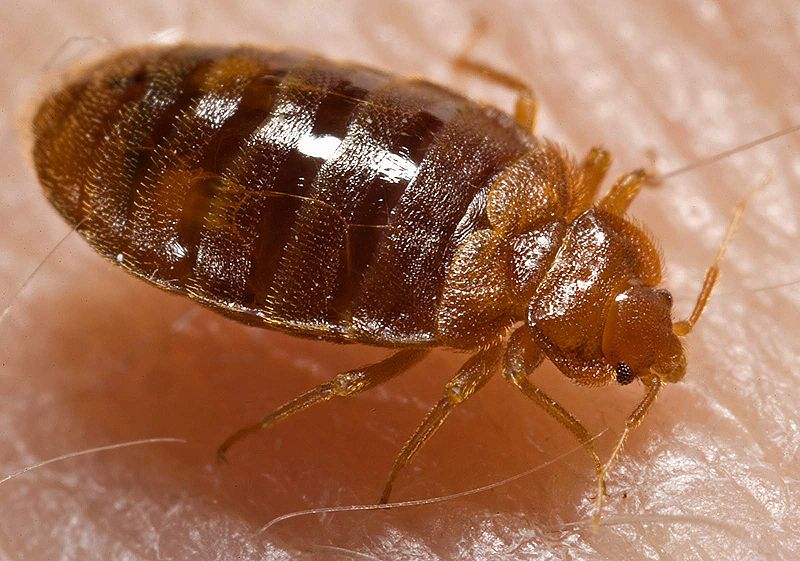

Bed bugs, the nasty nocturnal nursery rhyme nightmares than are making a comeback throughout the northeastern United States. Infestations, previously relegated to the status of urban legend in much of the developed world, are on the rise due to a combination of more frequent travel, pesticide resistance, and the end of the ‘better living through chemistry” era when DDT was a perfectly acceptable thing to spray into your baby’s crib. They’re mean, nasty blood suckers that have risen over the summer to become the scourge of hotel managers everywhere. Except, they’re really pretty harmless. Most people don’t even have a reaction to the bite, they are shockingly poor vectors for disease, and, when you get past the blood sucking, they’re rather cute as far as bugs go. There is one rather disagreeable feature about these critters, and it’s the reason we should all be thankful that we’re only bitten by them.
Traumatic Insemination.