Skip to content

Southern Fried Science

Over 15 years of ocean science and conservation online

  • Home
  • About SFS
  • Authors
  • Support SFS

Tag: greenland shark

Thursday Afternoon Dredging: December 29th, 2016

Posted on December 29, 2016December 29, 2016 By David Shiffman
Uncategorized

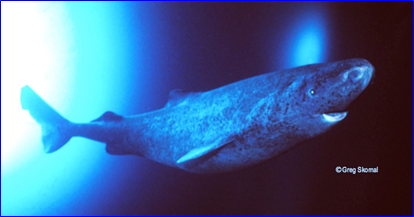
Cuttings (short and sweet): Watch how slowly this Greenland shark swims, from a NOAA Okeanos video. These sharks have the slowest swimming speed ever measured in a fish.  Follow sawfish conservation expert Dr. Tonya Wiley-Lescher @TonyaRWileyL on twitter! A Florida State research team, with help from our friends at Field School, became the first people … Read More “Thursday Afternoon Dredging: December 29th, 2016” »

Here’s what top science news stories of the year listicles said are the top marine science news stories of the year

Posted on December 23, 2016 By David Shiffman
Blogging

Year-in-review news roundups are one of my favorite parts of December. I really enjoy remembering all of the interesting and inspiring things that happened over the past year, especially after a rough year like this one. I especially enjoy “top science news of the year” roundups, and I was pleased to see marine science stories make the cut on many of them. For your “but why is this considered a top story but that isn’t” debating pleasure, here are the marine science news stories that made top science news stories of the year listicles!

Read More “Here’s what top science news stories of the year listicles said are the top marine science news stories of the year” »

What can be done to protect the incredibly long-lived Greenland shark?

Posted on August 16, 2016August 17, 2016 By Guest Writer 1 Comment on What can be done to protect the incredibly long-lived Greenland shark?
Science
Sonja Fordham President, Shark Advocates International
Sonja Fordham
President, Shark Advocates International

Sonja Fordham founded Shark Advocates International as a project of The Ocean Foundation in 2010 based on her two decades of shark conservation experience at  Ocean Conservancy.  She is Deputy Chair of the IUCN Shark Specialist Group and Conservation Committee Chair for the American Elasmobranch Society, has co-authored numerous publications on shark fisheries management, and serves on most of the U.S. federal and state government advisory panels relevant to sharks and rays.  Her awards include the U.S. Department of Commerce Environmental Hero Award, the Peter Benchley Shark Conservation Award, and the IUCN Harry Messel Award for Conservation Leadership.

1A new study confirming the mysterious deepsea Greenland Shark as the world’s longest lived vertebrate has made huge news in the last few days – from Science News and BBC to People magazine and the Wall Street Journal. While some scientists are questioning whether these sharks live quite as long as estimated (392 years ± 120), most agree they could well live for a century or two and – as a result —  are particularly vulnerable to overfishing. Experts also warn that risks to Greenland sharks may be increasing as melting sea ice changes Arctic ecosystems and makes fishing in the region more feasible. Study authors are among those urging a precautionary approach to the species’ conservation. In other words, an incomplete picture of status and threats should not be used as an excuse for inaction. So what might be threatening Greenland sharks today, and which upcoming policy opportunities might warrant consideration, given worldwide interest in these jaw-dropping findings?  To come up with some ideas, I first took a look back.

Read More “What can be done to protect the incredibly long-lived Greenland shark?” »

How not to save the environment: sharks as biofuel

Posted on April 12, 2011April 2, 2011 By David Shiffman 3 Comments on How not to save the environment: sharks as biofuel
Conservation

Successfully switching the global economy from oil and coal based energy to clean energy is one of the major goals of the modern environmental movement. No single idea will accomplish this -to succeed, we’re going to need a combination of technologies.

Many proposed solutions involve a trade-off. Reasonable people can disagree over whether the environmental benefits of wind turbines or nuclear power plants outweigh the risks, for example. Every once in a while, however, a completely ridiculous idea comes along.

Read More “How not to save the environment: sharks as biofuel” »

Shark Science Monday: Lisa-Marie LeClerc discusses the feeding habits of the Greenland Shark

Posted on October 25, 2010 By David Shiffman 2 Comments on Shark Science Monday: Lisa-Marie LeClerc discusses the feeding habits of the Greenland Shark
Science

In this week’s Shark Science Monday, University of Tromsø Norwegian Polar Institute researcher Lisa-Marie LeClerc discusses her research on the feeding habits of the Greenland Shark. As always, feel free to ask questions of our interview subject in the comments below. ~WhySharksMatt

Recent Popular Posts

What Ocean Ramsey does is not shark science or conservation: some brief thoughts on "the Shark Whisperer" documentaryWhat Ocean Ramsey does is not shark science or conservation: some brief thoughts on "the Shark Whisperer" documentaryJuly 2, 2025David Shiffman
Shark of Darkness: Wrath of Submarine is a fake documentaryShark of Darkness: Wrath of Submarine is a fake documentaryAugust 10, 2014Michelle Jewell
Your car has just been crushed by hagfish: Frequently Asked QuestionsYour car has just been crushed by hagfish: Frequently Asked QuestionsJuly 13, 2017Andrew Thaler
What can the funniest shark memes on the internetz teach us about ocean science and conservation?What can the funniest shark memes on the internetz teach us about ocean science and conservation?November 8, 2013David Shiffman
Mermaids: The New Evidence is a Fake DocumentaryMermaids: The New Evidence is a Fake DocumentaryMay 28, 2013Andrew Thaler
"Twitter sucks now and all the cool kids are moving to Bluesky:" Our new survey shows that scientists no longer find Twitter professionally useful or pleasant"Twitter sucks now and all the cool kids are moving to Bluesky:" Our new survey shows that scientists no longer find Twitter professionally useful or pleasantAugust 19, 2025David Shiffman
Your car has just been crushed by hagfish: Frequently Asked QuestionsYour car has just been crushed by hagfish: Frequently Asked QuestionsFebruary 27, 2024Andrew Thaler
I built the cheapest 3D printer available online so that you don't have to: iNSTONE Desktop DIY (review)I built the cheapest 3D printer available online so that you don't have to: iNSTONE Desktop DIY (review)March 14, 2019Andrew Thaler
Urea and Shark OsmoregulationUrea and Shark OsmoregulationNovember 15, 2010David Shiffman
How many nuclear weapons are at the bottom of the sea. An (almost certainly incomplete) census of broken arrows over water.How many nuclear weapons are at the bottom of the sea. An (almost certainly incomplete) census of broken arrows over water.July 26, 2018Andrew Thaler
Subscribe to our RSS Feed for updates whenever new articles are published.

We recommend Feedly for RSS management. It's like Google Reader, except it still exists.

Southern Fried Science

  • Home
  • About SFS
  • Authors
  • Support SFS


If you enjoy Southern Fried Science, consider contributing to our Patreon campaign.

Copyright © 2025 Southern Fried Science.

Theme: Oceanly Premium by ScriptsTown