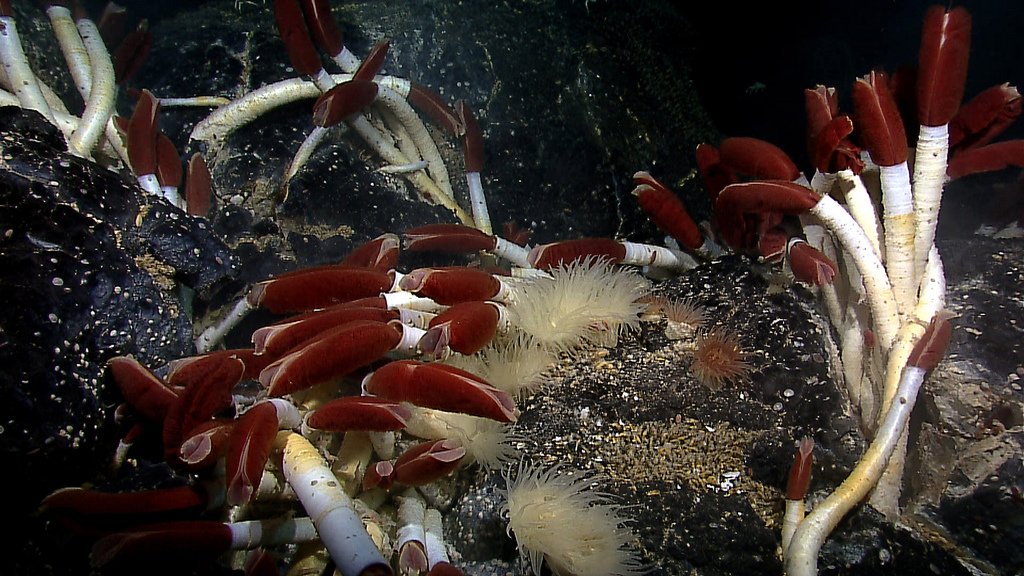
Andrew is a post-doctoral researcher in North Carolina focused on population and conservation genetics in hydrothermal vent communities.


David is a graduate student in Florida. He studies the ecology and conservation of sharks.


Amy is a graduate student in North Carolina studying local ecological knowledge within small scale fisheries.


Chuck is a graduate student in North Carolina focusing on apex predators and how they interact with fisheries.


Lyndell is a graduate student in North Carolina, studying the feeding ecology of cownose rays.


Iris is a graduate student in Washington studying habitat use and feeding habits of juvenile Pacific salmon and herring in Puget Sound.


Michael is a graduate student in Maryland investigating the visual systems of mantis shrimp.


Archives

VentBase – securing the conservation of deep-sea hydrothermal vent ecosystems

As a marine biologists just beginning my deep-sea education, conservation as a priority was an alien concept. The deep sea was the last true wilderness, distant and alien, impossibly difficult to access. We knew that exploitation was coming, companies had been exploring the potential of deep-sea mining for decades, but they always seemed to be generation away. Conservation was a question for my scientific descendants. For my peers and me, we still had a few good decades left in the golden age of exploration that began in the 1970’s with the first discovery of deep-sea hydrothermal vents. That age is about to end.

The reality of deep-sea exploitation is imminent. The first hydrothermal vent mining lease has been issued in the territorial waters of Papua New Guinea. The International Seabed Authority, which regulates seafloor extraction in international waters, has approved the first two mining exploration permits for seafloor massive sulfides in international waters. Manganese nodule extraction, once quashed by a global decline in metal prices, has recently reappeared. Crustal metal deposits are fast becoming a viable resource. The isolation of rare earth elements from the seafloor, a newcomer in deep-sea exploitation, could open up new, massive deposit for critical electronic components. All of these are likely to occur within the next few decades.

Continue reading VentBase – securing the conservation of deep-sea hydrothermal vent ecosystems