
This week, Southern Fried Scientist and I have written about our personal adventures in making town life a little more sustainable. First, building a chicken coop – a deluxe one, complete with green roof and made out of recycled materials. Next, dwarf goats as milk-producing pets and clarifying some of the tall tales about goats (no, they don’t eat tin cans but yes, you can teach them to head butt on command). The chicken story continued with how to raise them – whether to get chicks or pullets, what they need as they grow to be egg producing hens or the cock-a-doodle-doo producing rooster. Plus, it’s hard to beat chicks in a basket. Finally, what you might have thought backyard agriculture was all about – the garden.
After our miniseries, you might be left wondering ‘now what’? Where to begin or maybe there’s still some hesitation over whether it’s all worth it. Here’s some other practical considerations you might think about before beginning your urban agriculture adventure.
The winter
You might note that gardens die in the winter, chickens stop producing eggs, and you generally just want to stay inside. So is sustainability from your urban farm a purely summer venture? It doesn’t have to be. Consider freezing or canning your produce. Canning is not as hard as it sounds for simple foods such as jam, pickles, and tomato sauce. Also, chicken eggs fresh from the source will last up to a year, so save a few in the back of your fridge or freeze some for some winter eating or baking.
Perennials
If you’re living in a place for at least a few years, consider perennials and trees for your garden that will produce shade in the summer and food in the early spring. A few of my favorites are asparagus, peach trees, pear trees, and blackberries. They all need little care after they’re established and provide those extra-special season-defining tastes.
Hobbies
As you may have guessed, backyard adventures take time. We might even consider them a hobby as well as a source of food. As such, you might want to consider learning some new skills from your hobby – cheese production from goat’s milk, jelly and jam storage, pickling, attempting different gardening strategies or landscaping. It’s an experiment – so tinker and find what feels best. Every how-to book in the world still won’t be able to read your mind.
Wild Edibles
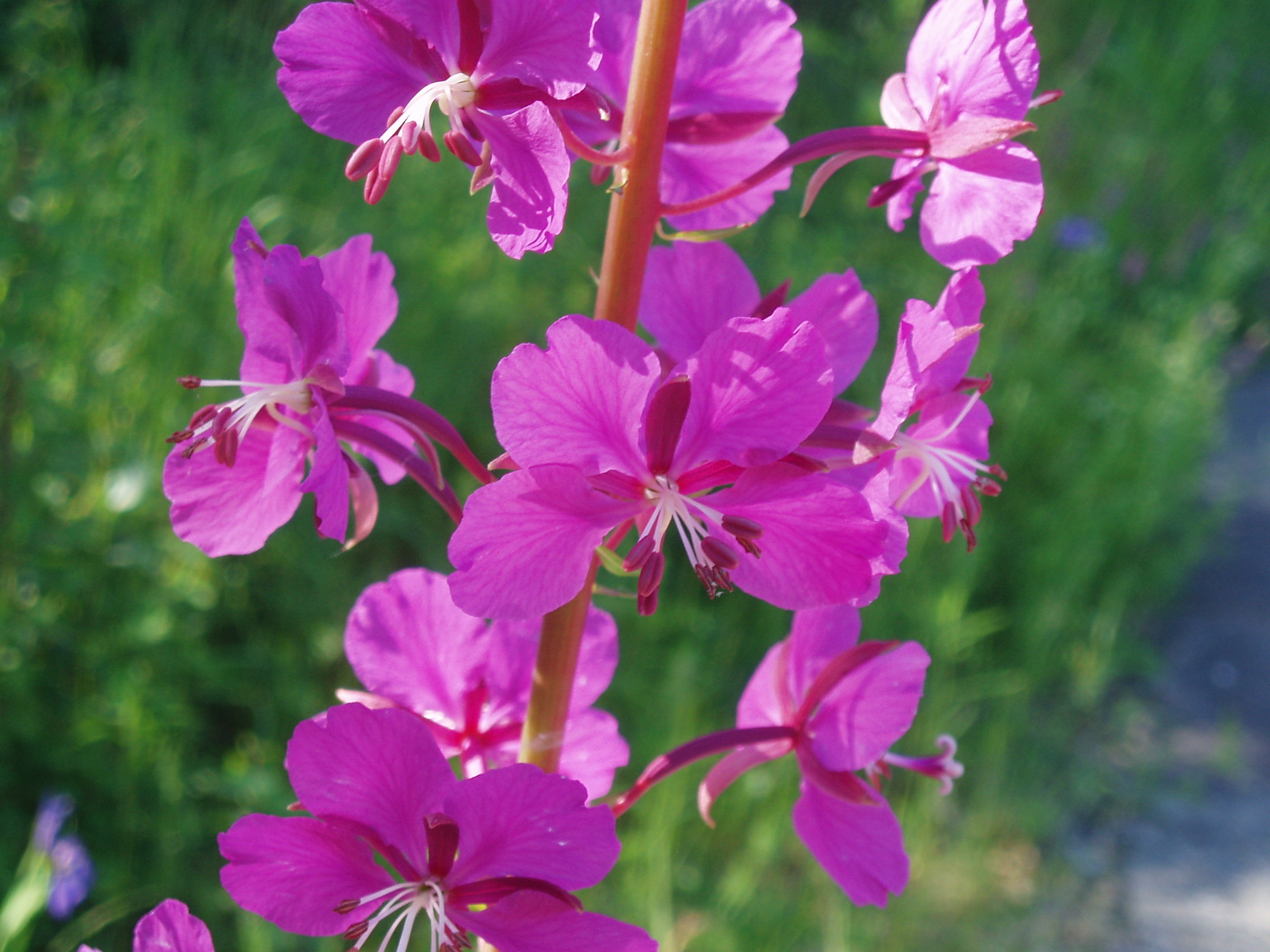
Like the fireweed in the opening of the article, wild edibles are delicious. You have to know what you’re looking for and carry a field guide in each pocket for extra verification, but wild foods can provide tastes not possible to grow in your garden. From mushrooms such as chicken-of-the-woods to berries such as wild raspberries and mulberries to salad greens such as sorrel, there’s a world of wonder in the wild. Even in Central Park.
Fiber
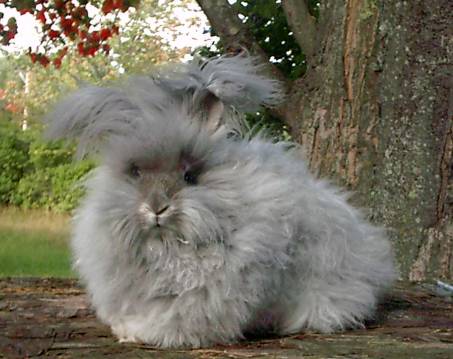
Our series thus far has discussed primarily food production in the backyard. We assume you already have your shelter (the house that’s attached to that backyard). The last part of basic human needs is fiber – that’s right, it’s really no ok to go to work naked. Though more difficult in a backyard setting, every knitter I know fancies creating fiber right there at home. It’s possible, though you may never be able to make more than the occasional sock from your production. People keep sheep, angora rabbits, cashmere goats, and grow cotton and flax for spinning and later knitting. So if you’re a knitter, consider the options – they might be even more fun than food production.
That’s all folks! Keep telling us about your adventures in backyard agriculture 🙂