 The government of Hawaii has proposed a bill banning the sale of shark fins within their state. It currently has the catchy title of “SB 2169: A bill for an act relating to shark fins”, and you can read it here.
This bill is progressing much faster than my shark conservation friends working in Hawaii suspected. The public comment period closes Monday at 8:00 a.m. Hawaii time! If you have something you’d like to say about this bill, please do it soon.
You do not need to be a Hawaii resident to submit a comment!
Here’s how to submit a comment:
E-mail your statement to ebmtestimony AT capitol DOT Hawaii DOT gov.
If you don’t include the following information at the top of your statement, it may not get to the right people.
“-(your name with position/title and organization)
TO: Committee on Economic Revitalization, Business & Military Affairs
Chairman Angus L.K. McKelvey
Hearing on Tuesday, March 9, 2010, 8am
MEASURE SB2169, SD2 IN SUPPORT”
You are free to write whatever you want, but here are some suggestions.
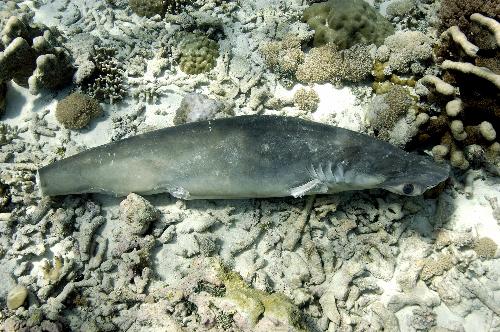
-Sharks are slow growing and have few young, which makes them particularly vulnerable to overfishing.
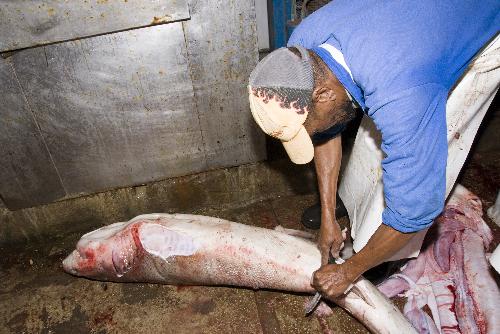
-Shark finning is a brutal and wasteful fishery in which the fins (less than 5% of the weight of the animal) are removed while the shark is still alive, and the less-valuable rest of the shark is dumped overboard to bleed to death or drown.
-The shark fin itself is made of cartilage and adds no flavor whatsoever to the soup. It only adds texture, and may pose a health hazard because of mercury content.
-Shark finning results in the deaths of as many as 70 million sharks a year, which is unsustainable.
Please let me know if you have any questions!
Please note that commenting on a blog post about this bill is not the same thing as submitting a public comment to the Hawaii State Legislature.
~WhySharksMatter
This is such a tragic situation. Sharks need our protection from ourselves. They’re an integral part of the biology of the ocean and our ongoing slaughter is going to make them extinct. Besides which, even an animal who kills to eat doesn’t waste like we do. Very few animals kill like this. It’s shameful to be human much more often than not.
This is so wrong! Stop this Shark destruction!
I think that it’s about time every one stands up and pays attention to our oceans and water ways . They so important, but to many higher up people have chosen to ignore this. In return we are seeing our water ways destroyed and our food supply, air supply and just living in general suffer possible forever!!