Transcript below.
Tag: poop
Weekly Salvage
Foghorn (A Call to Action!)
- With ice melting in Canada’s Northwest Passage, the area will soon be a new route for international shipping. Follow Life Under the Ice on OpenExplorer!
Flotsam (what we’re obsessed with right now)
- Legendary submarine pilot Erika Bergman is exploring Belize’s Blue Hole using state-of-the-art SONAR scanning tools and ROVs. A couple floppy-haired dudes are going too.
- DSV Alvin made its 5000th dive. Way to go, little submarine!
- A boon to ocean conservation? Certain fungi can degrade marine plastics.
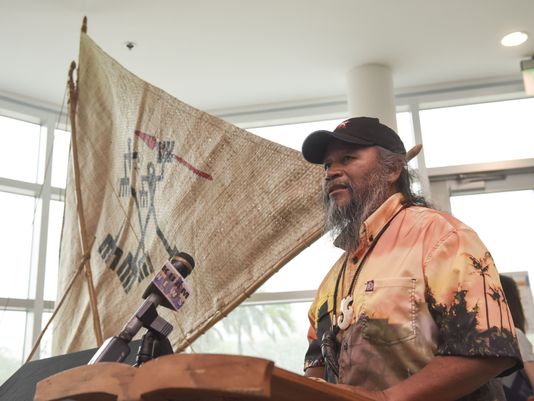
- I missed this over the summer, but Nash was an incredible guide and touring ancient Chamorro caves with him was the highlight of my time in Guam. He will be missed by many: Traditional seafarer Ignacio ‘Nash’ Camacho dies.
Weekly Salvage
Foghorn (A Call to Action!)
- Stop raising awareness already (and start translating information into action).
- Scott Pruitt still has a job [As of 16:59 on 4/8/2018 ~Ed.]. A Running List of Wild Shit Scott Pruitt Hasn’t Been Fired For (Yet).
- What to up you outreach skills? Sign up for Andrew Lewin’s Podcasting for Environmental Communications course.
Flotsam (what we’re obsessed with right now)
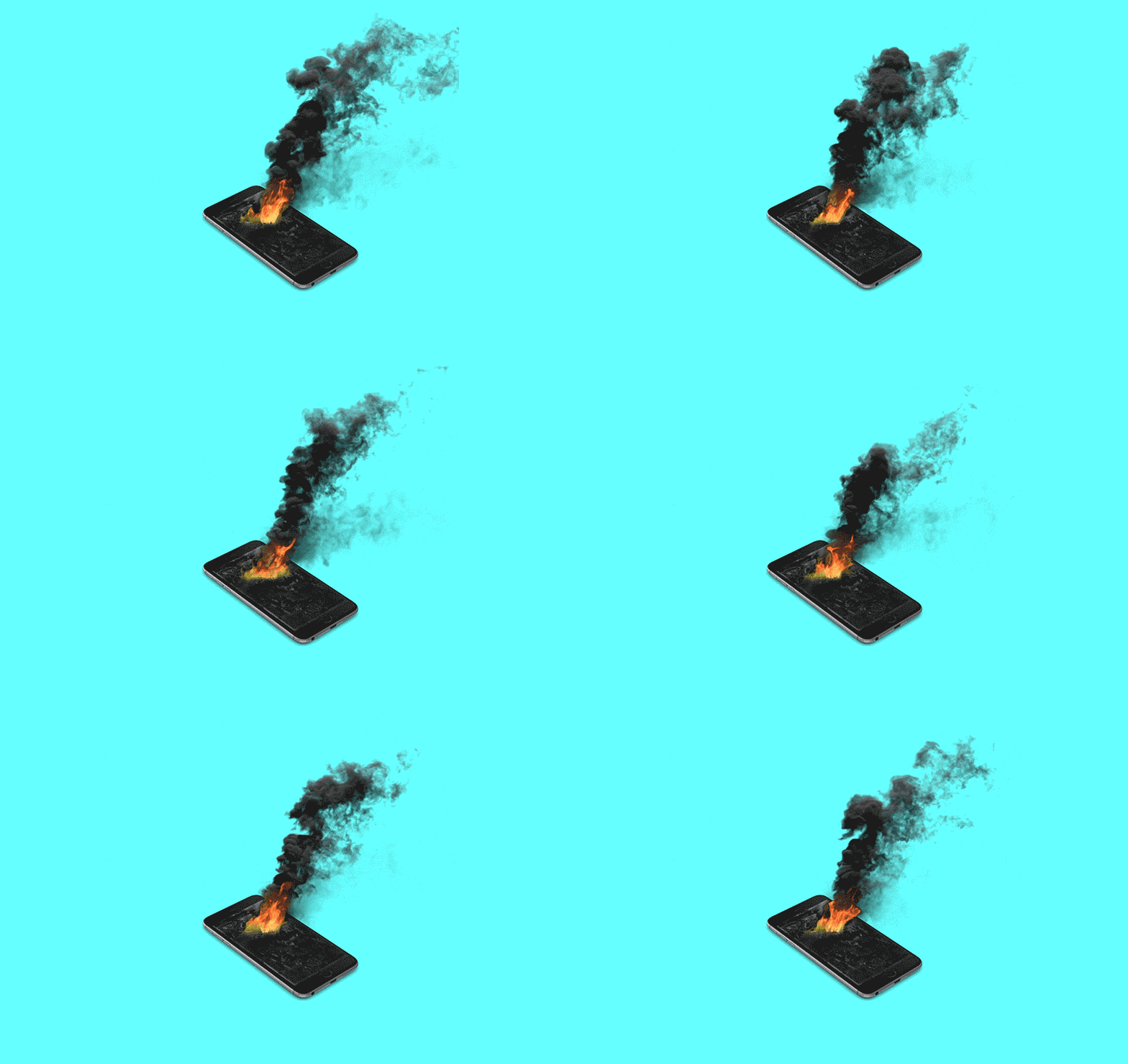
- Smart phones. As you know I have a love/hate relationship with tech and the resources needed to fuel our increasingly demanding hardware. Now, we’ve got the most clear picture yet of the impact of smartphones on the environment and it’s not pretty.
The Levee (A featured project that emerged from Oceandotcomm)
- Knitting *and* environmental justice? Sign me up! Stitching Hope for the Coast: Creative pieces that celebrate coastal optimism for Louisiana.
Weekly Salvage
Happy Monday-est Monday!
Foghorn (A Call to Action!)
- This is the final week to get you abstracts in for the International Marine Conservation Congress, the premier ocean conservation conference, coming to you from Kuching, Malaysia this June! We got a cracking good symposium on human impacts in the deep sea and plenty of travel grants available for researchers in need. And, for the first time, we’ll be hosting Make for the Planet, Borneo!
Flotsam (what we’re obsessed with right now)
- An outstanding piece on exploitation in the high seas by Jeff Marlow. The High Seas Are Being Exploited. Exploration Must Keep Pace.
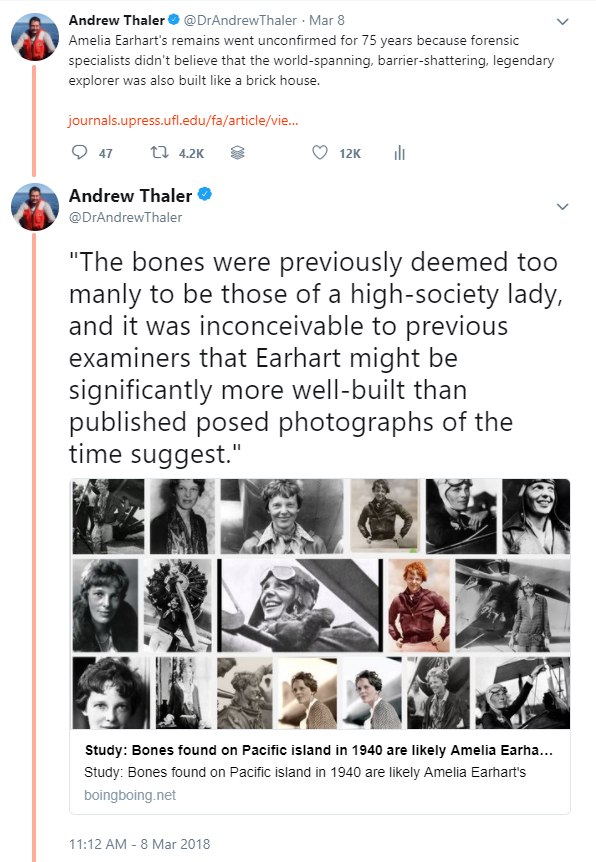
- This is a thing that happened:
Weekly Salvage
Foghorn (A Call to Action!)
- Sign up for AfricaOSH: The Africa Open Science Hardware Gathering and meet some of the most incredible, innovative technologists in the world!
- Remember when the disability community put their bodies on the line to defend the Affordable Care Act? Remember the videos of people in wheelchairs being handcuffed outside Mitch McConnell’s office? Last week, the House voted to gut the Americans with Disabilities Act. There’s no bill in the Senate yet, but the time to mobilize is now. Call your Senators and defend the ADA.
Flotsam (what we’re obsessed with right now)
- In the annuals of obvious thing that still need to be said: protecting wild places is better for Americans and better for the economy than strip mining them. Outdoor Recreation Is a Bigger Economic Booster Than Mining.
- The Cousteau Society shares a great little clip of all the great Cousteau tech.
Weekly Salvage
Fog Horn (A Call to Action)
- Science Communication folks! Are you ready for OceanDotComm? Register now!
Flotsam (what we’re obsessed with right now)
- Go shark diving with OpenROV Trident and maybe get a bit too close an personal with a great white shark.
- Yes, that is the esophagus of a great white shark, in the wild. No, you should not attempt to replicate this experience.
Science
If you’re still unconvinced by previous meditations into the sub-par-ody of sharks, consider this study, reported over at Laelaps: The simplest explanation was that the shark (or sharks) which left the marks had been intentionally trying to eat the feces. “From the curvature of the toothmarks and their positions on the specimens,” Godfrey and Smith … Read More “Ancient sharks, not only sub-par, but also pretty gross” »