Skip to content

Southern Fried Science

Over 15 years of ocean science and conservation online

  • Home
  • About SFS
  • Authors
  • Support SFS

Fun Science FRIEDay – Resurrection

Posted on August 3, 2018August 3, 2018 By Kersey Sturdivant
Uncategorized

Life has unbelievably complex and diverse strategies to ensure survival. Organisms are able to go dormant during unfavorable conditions, and resuscitate once the environment becomes ideal again. This can play out over relatively short time periods such as when animals hibernate, or over longer periods where organisms can go into stasis, e.g. reviving bacteria from 250 million year old salt crystals.

Researchers in Russia recently thawed out permafrost sediment frozen for the past 42,000 years, and revealed once frozen and now living nematodes. Yes you heard that correctly, worms birthed and subsequently frozen during the Pleistocene (42,000 years earlier) were just resurrected in the 21st century. Frankenstein, eat your heart out.
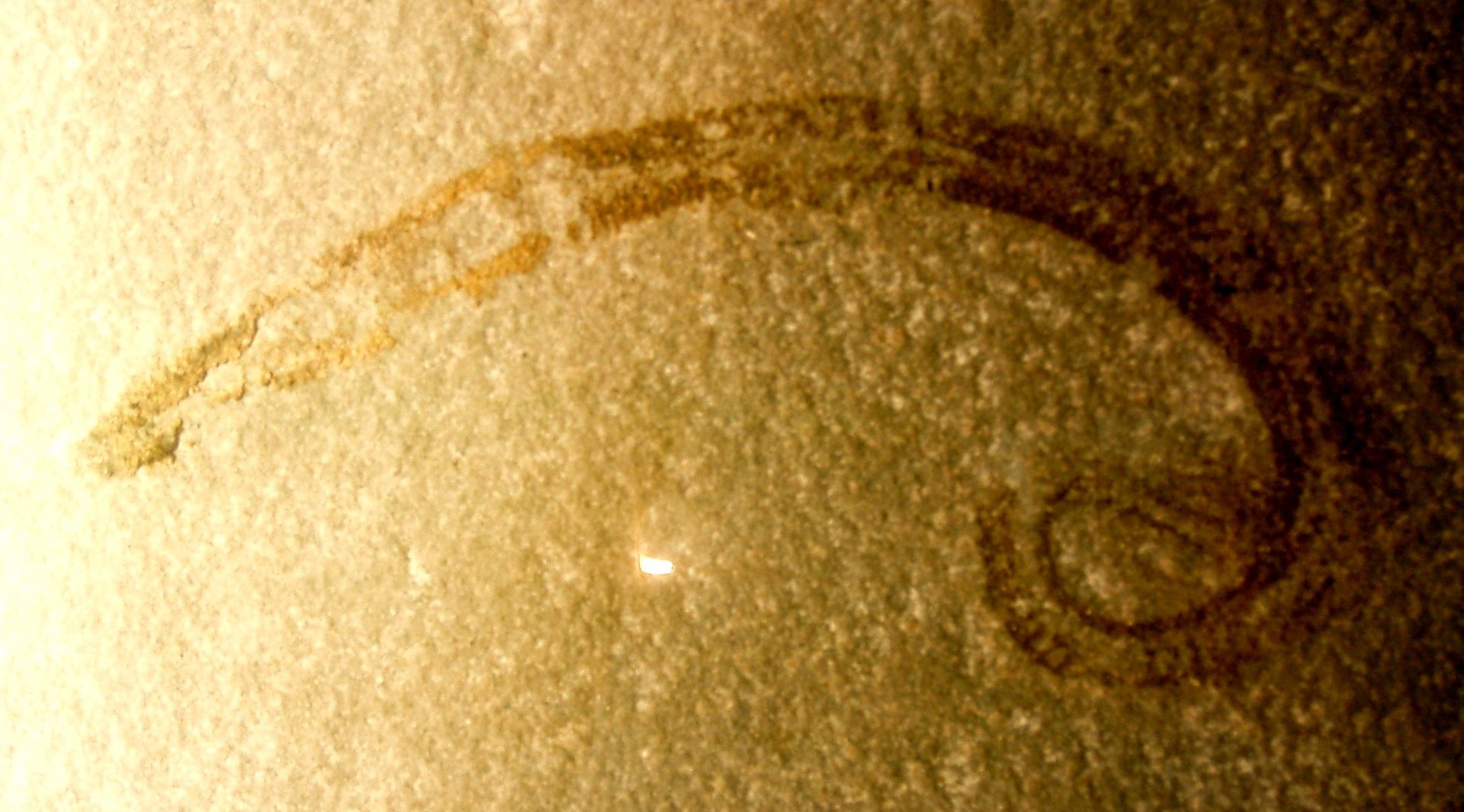
Eophasma jurasicum, a fossilized nematode. (Photo credit: Ghedoghedo)

Nematodes, often called round worms, are the most numerous multicellular animals on earth; a handful of soil will contain thousands of these microscopic worms. These animals are known to be hardy creatures, having previously been revived in 39-year-old herbarium samples, but nothing has been seen on a scale quite like this. This is sci-fi level impressive.

How these worms were able to remain viable while frozen is still anyone’s guess, but the strategies these worms employ holds huge potential. This ability suggests that the Pleistocene nematodes have some adaptive mechanisms that may be of scientific and practical importance. Learning about the biochemical mechanisms nematodes use to limit the damage of ice and hold off the ravages of oxidation on DNA over the millennia might point the way to better cryopreservation technologies. This knowledge could assist science in finding better ways to store human tissues for transplants, or even – just maybe – whole bodies for revival.
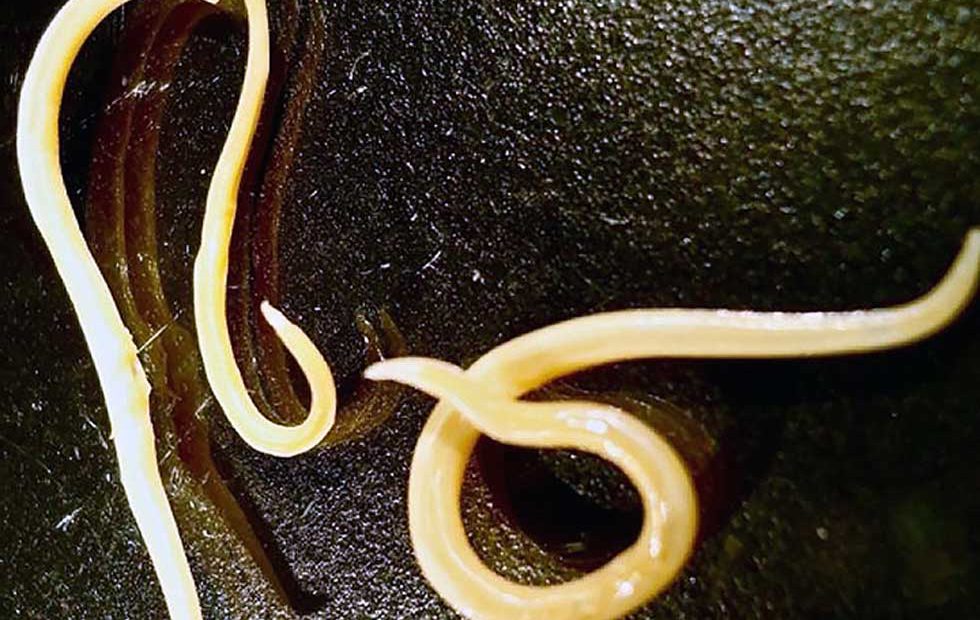
A new meaning to rebirth. (Photo credit: Shatilovich et al. 2018)

To-date examples of long-term life preservation involve microbes, and while their fortitude is certainly impressive, the life-preserving “tricks” bacteria apply are not transferable to our more complicated tissues. Finding animals that can remain dormant for tens of thousands of years is a discovery well worth paying attention to, and I for one welcome our new worm overlords.

You can read more about this study published in Doklady Biological Sciences.

And checkout this short video explaining this impressive discovery:

https://www.youtube.com/watch?v=SaZDxDOMoxg

Share this:

  • Share on Bluesky (Opens in new window) Bluesky
  • Share on Facebook (Opens in new window) Facebook
  • Share on Reddit (Opens in new window) Reddit
  • Share on Threads (Opens in new window) Threads
  • Share on WhatsApp (Opens in new window) WhatsApp
  • Share on Mastodon (Opens in new window) Mastodon

Related

Tags: nematode nematodes permafrost pleistocene round worm round worms

Post navigation

❮ Previous Post: Gregarious gars, surprising crocs, mustachioed monkeys, ocean wilderness, and more! Monday Morning Salvage: July 30, 2018
Next Post: Beware the ghost! The problem of conference ‘ghosting’ ❯

You may also like

Science
This Week in the Deep
January 5, 2013
Science
This Week in the Deep
January 20, 2013
Weekly Salvage
#JacquesWeek, Lionfish tax, coral that glows, accelerating climate change, and more! Monday Morning Salvage: July 10, 2017
July 10, 2017

Popular Posts

What you read on Southern Fried Science in JanuaryWhat you read on Southern Fried Science in JanuaryJanuary 31, 2024Andrew Thaler
You probably don't want to work for me: What you read on Southern Fried Science in AprilYou probably don't want to work for me: What you read on Southern Fried Science in AprilApril 30, 2024Andrew Thaler
Ethical Debate: Should we have freed Willy?Ethical Debate: Should we have freed Willy?April 29, 2010David Shiffman
Welcome stumblers, reddit-ers, and neatorama readersMay 24, 2010Andrew Thaler
Playing God - How the ESA "God Squad" just voted for the extinction of a uniquely American whalePlaying God - How the ESA "God Squad" just voted for the extinction of a uniquely American whaleApril 9, 2026Southern Fried Science
Does Shark Week portrayal of sharks matter?June 29, 2015David Shiffman
Reflections on science and my role in it, ten years since my Ph.D. defenseReflections on science and my role in it, ten years since my Ph.D. defenseApril 1, 2026David Shiffman
What Ocean Ramsey does is not shark science or conservation: some brief thoughts on "the Shark Whisperer" documentaryWhat Ocean Ramsey does is not shark science or conservation: some brief thoughts on "the Shark Whisperer" documentaryJuly 2, 2025David Shiffman
That's not a blobfish: Deep Sea Social Media is Flooded by AI SlopThat's not a blobfish: Deep Sea Social Media is Flooded by AI SlopDecember 19, 2025Andrew Thaler
Bad news for whale sharks: The world's largest fish are being killed for bait and billboardsApril 5, 2012David Shiffman
Subscribe to our RSS Feed for updates whenever new articles are published.

We recommend Feedly for RSS management. It's like Google Reader, except it still exists.

Southern Fried Science

  • Home
  • About SFS
  • Authors
  • Support SFS


If you enjoy Southern Fried Science, consider contributing to our Patreon campaign.

Copyright © 2026 Southern Fried Science.

Theme: Oceanly Premium by ScriptsTown