Well, it finally happened. Over the last two week, my usually well-curated feeds of videos from the deep sea have been overrun with AI slop masquerading as authentic images of strange and delightful creatures of the abyss. AI slop is permeating everything, but it’s particularly noxious when dealing with images from the deep. We generally know what a car looks like and can tease out, for now, the telltale signs of AI image replication. But very few people have the necessary context or expertise to tell if a weird fish or crab from 2000 meters deep is genuine or just another hallucination from the slop farm.
I’m not linking back to the accounts that appear to be producing and distributing these images. They don’t need any more exposure, but below are some of the more egregious cases that have come across my desk.
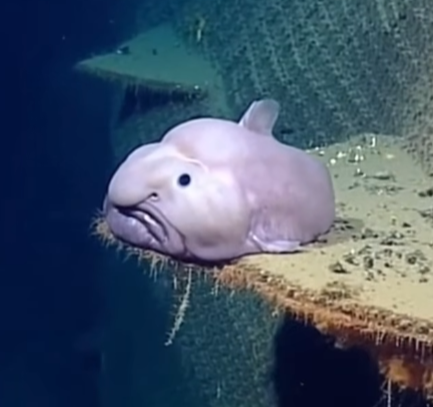
This is not what blobfish look like.
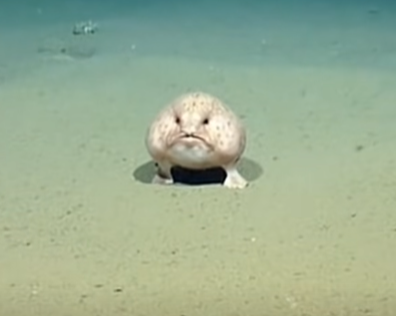
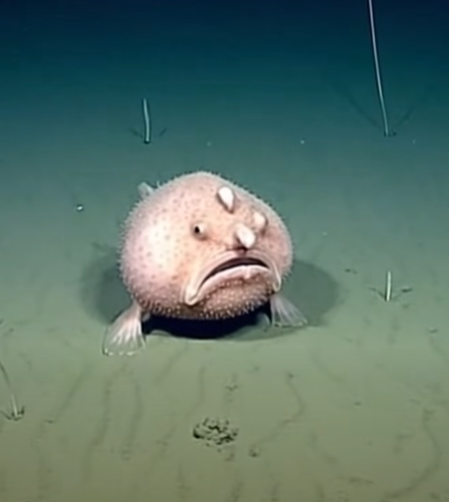
The distinctive fat frown of the blobfish is not what they look like in the water. Their sad, deformed appearance is a result of being dragged to the surface. In the ocean, look more like fish and less like blobs. AI Sloppers seem to love forcing the blobfish face into other fish, as these horrifying hybrids show.
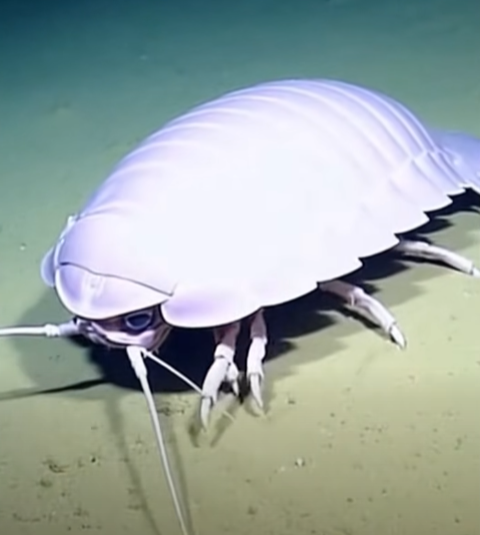
What have you done to my poor sweet isopods?
Sloppers also love the giant deep-sea isopod. In this case, the sheen of AI is obvious, but the carapaces are also all wrong, the eyes are oddly placed, and they have the wrong number of antennae.

Hydrothermal vents don’t work like that.
A unidentified jellyfish cooking in the plume of a black smoker. A bythograeid-looking crab huffing vent plumes. Bubbles coming out of a field of oddly uniform anemones. A yeti crab cosplaying as a brachyuran. Toilet brush tube worms. This is just not how deep-sea hydrothermal vents work. Slopcrafters can occasionally create superficially good looking organisms, but they still cannot handle creating ecologically coherent seascapes.
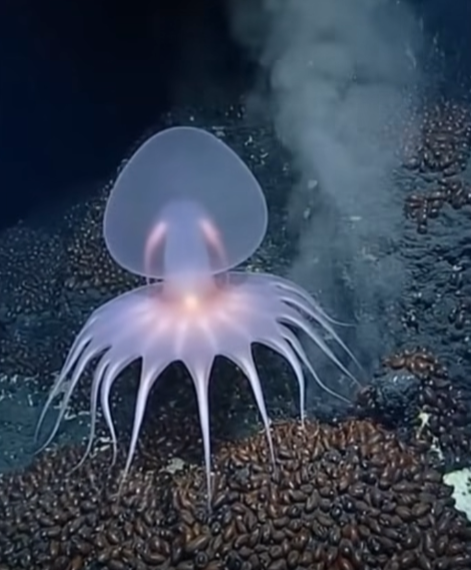
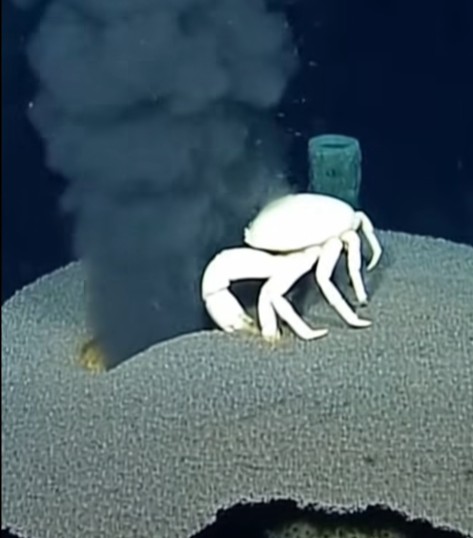
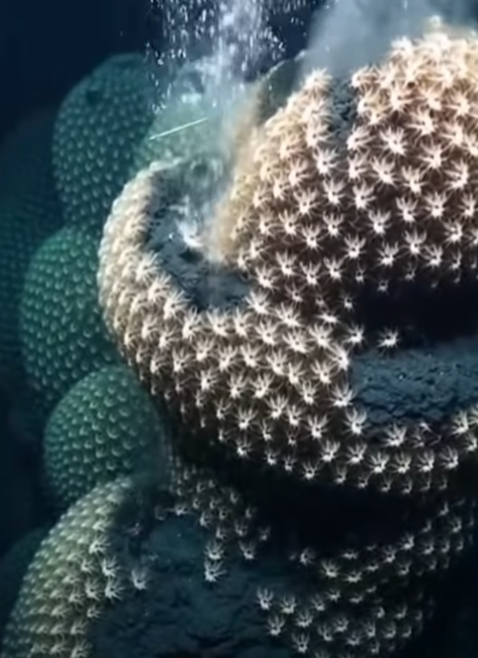

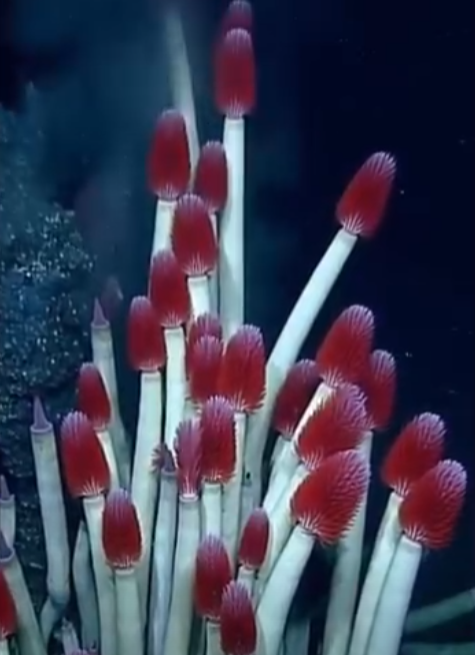
They do angler fish dirty.
What if a viperfish was also an anglerfish, but with four eyes? What if every anglerfish was also Melanocetus johnsonii, but different? Things get tricky when we’re looking at animals that people have a general idea what they look like, but aren’t familiar with the details.
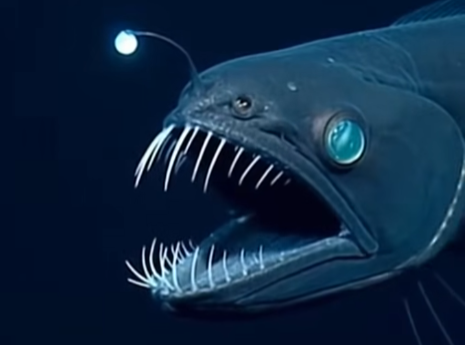
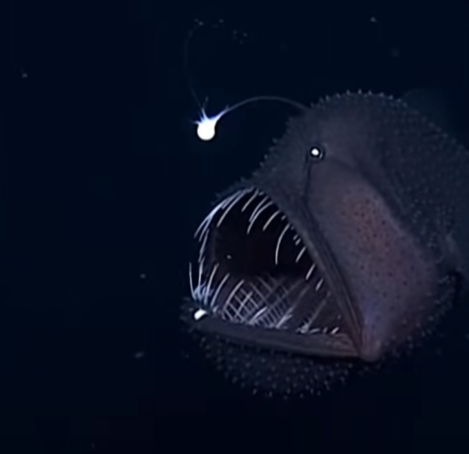
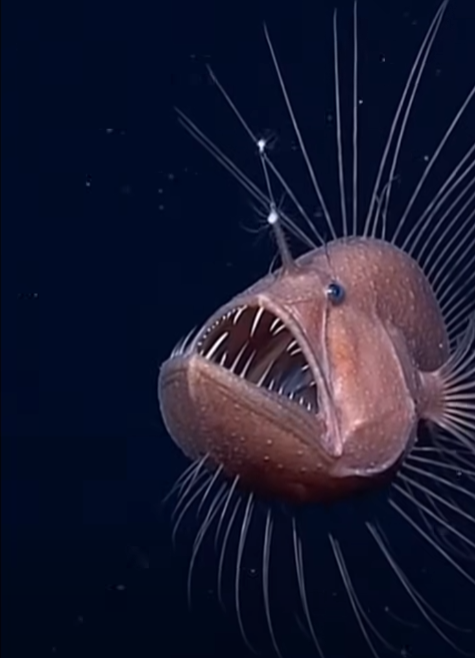
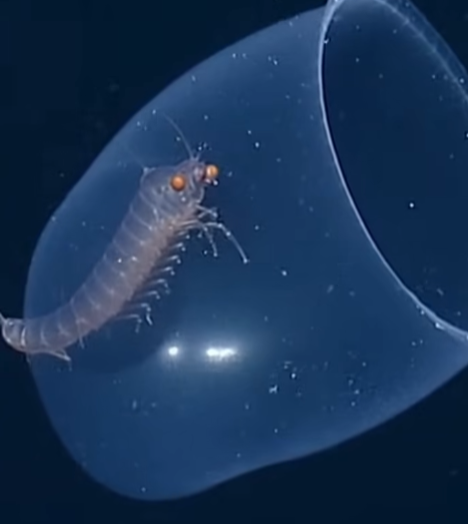
Invertebrates are an extra challenge.
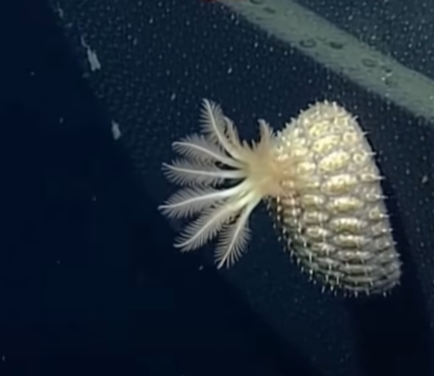
Invertebrates get even harder. The deep-sea is full of weird animals, almost all of which are undiscovered. Deep-sea scientists are constantly faced with assessing new, weird looking animals. Now we have to contend with vaguely believable slop, too. I particularly love the sea cucumber scooting butt first through the mud with its gills buried. AI doesn’t seem to know what to do with tentacles.


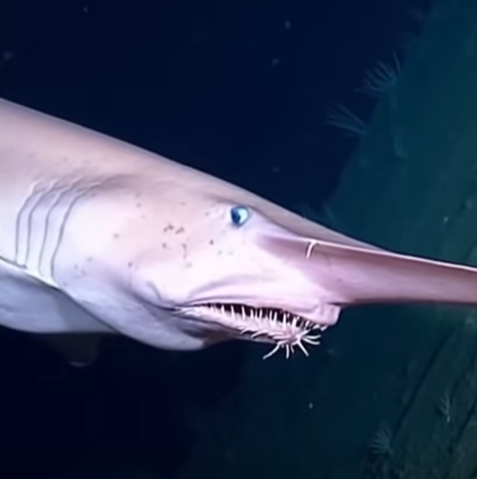
Goblin sharks need to breath.
It’s a pretty ok goblin shark. It’s got the wrong number of gills.
So what the heck do we do?
For non-specialists, it’s going to be incredibly difficult to sort the tidal wave of slop from authentic deep sea videos. There are a few universal tells, for now. In almost all ROV footage, we use scaling lasers to determine the size of things. You can almost always find the telltale little green or red dots spaced 10 cm apart that accompany most video from the deep seafloor. In almost all the videos I reviewed, you also never see tracks on the seafloor. The seafloor also very often appears to be coming in at a weird angle, like they couldn’t decide if it were a wall or a floor.
Composition is another giveaway. We never get perfectly framed closeups of fish. ROVs and submersibles are loud. Animals should respond to the by fleeing or taking a threat posture. Compare the slop isopods with this video we shot of a giant isopod in the Caribbean. You see the scaling lasers. You see it’s not perfectly in frame. You see the isopod flee before the ROV gets too close. Outside of incredibly highly produced documentaries, you’re almost never going to see a calm close-up of an incredibly rare fish in the deep ocean, perfectly lit and undisturbed.
And that brings us to the best way to check is the deep-sea video you’re watching is real or AI slop: who shot the video? Getting deep-sea footage is not easy. Almost all legitimate footage is going to be well-attributed to an institution, research program, or photographer/videographer. Uncredited video, especially of something so weird and rare that it would represent a significant discovery, is the biggest tell that it was made by no one but rather churned out by pattern-recognition engines trying to stitch together a hodgepodge of deep-ocean imagery into Frankenstein’s Blobfish.
Southern Fried Science is free and ad-free. Southern Fried Science and the OpenCTD project are supported by funding from our Patreon Subscribers. If you value these resources, please consider contributing a few dollars to help keep the servers running and the coffee flowing. We have stickers.
Got forwarded this recently https://youtu.be/yFIVsOO8tMo most of the people would believe this most of the time, that’s the problem. the verbose prompts could even be heard in the audio 🤣