This time of year, it’s appropriate to think of things to be thankful for. This being an ocean-focused blog, I’d like to share something ocean-related that I’m thankful for, and hopefully spread a little Ocean Optimism in the process. What I’m thankful for is that Carcharocles megalodon is extinct. This may not seem like cause for optimism, but honestly the present-day ocean and Megalodon are better off without each other. And while we may not have 50-foot sharks around anymore (at least not the superpredatory kind), there are actually a lot of species we know and love that have either outlasted Megalodon or are only around because the big beast isn’t around anymore.
This week, the Supreme Court heard oral arguments for Yates vs. the United States. Commercial fishermen John Yates was caught with dozens of illegally caught grouper, he destroyed much of the evidence of this crime, and he was charged under a law designed to prosecute people for destruction of evidence. He is now suing the government for overreach.
The question of whether a law most commonly known for being used to deal with destruction of financial records can also be used to deal with destruction of evidence of illegal fishing is an interesting one. The Obama administration claims that the law was designed to be a generic Federal destruction of evidence ban, and it has also been used, according to a USA Today article, to “go after the destruction of cars, cash, cocaine, child pornography- even murder weapons and bodies.” It seems to me that it is an appropriate role of government to write regulations to ensure that our shared natural resources are sustainably exploited, it is an appropriate role of government to enforce violations of those laws, and it is an appropriate role of government to punish people for destroying evidence of those violations. A much bigger problem, however, is with much of the media coverage of this case.
My lazy Sunday morning was ruined by a “whacktivist” on a friend’s Facebook page on whale and dolphin issues.
To explain what I mean, here are some definitions:
ACTIVIST – someone who tries to draw public attention and concern to an issue they consider to be important. This typically involves trying to convert an uncaring or unaware public into a public that is aware of and likewise concerned about the issue.
Activists are an important part of society. Activists often lead major societal shifts that have changed things for the better. Civil rights and environmental activists were responsible for encouraging ground breaking laws and societal changes in the 1960s and 1970s.
WHACKTIVIST – someone who tries to convert the public into caring about an issue using inappropriate means, such as insulting those who do not agree with them and using arguments that are illogical or factually incorrect. Whacktivists often do not respect the rights of those who are opposed to them – they use bullying, harassing, and threatening violence and other criminal acts. Whacktivists often see issues in black and white and are resistant to opinions and facts that do not fit their world view.
This week, the Convention on the Conservation of Migratory Species of Wild Animals (CMS) will have its 11th Conference of the Parties in Quito, Ecuador. While less well-known than the Convention on International Trade in Endangered Species (CITES,) CMS is another very important international wildlife conservation treaty. As the name suggests, it focuses on the conservation of species that migrate across national political borders. This meeting includes several proposals for listing species of sharks and rays on the CMS Appendices. In fact, most of the proposals are for elasmobranchs this time.
How does CMS work?
Like CITES, CMS allows member states to propose listing of threatened species on different appendices, which have different levels of protection. Appendix I obligates strict protection of that species by member states, where appendix II encourages member states to cooperate in the management of that species through regional or global agreements. Currently, basking sharks, great white sharks, and oceanic mantas are listed on appendix I, and whale sharks, makos, porbeagles, and northern hemisphere spiny dogfish are listed on Appendix II. There are also non-binding “memoranda of understanding,” such as the 2010 MOU on migratory sharks. As of May of this year, CMS has 120 parties. This paper by Holly Edwardsis a good introduction to how it all works.
What exactly does listing do for a species?
The specific actions required to follow up on these listings are basically up to the CMS parties themselves, and the required actions are not particularly clear for Appendix II. Mako sharks were listed on CMS Appendix II in 2008, for example, and they don’t yet have internationally agreed-upon catch limits. Appendix I listings for basking sharks helped lead to European Union fishing prohibitions for these species, though.
Additionally, representatives from variety of environmental non-profits will be attending the conference of the parties and/or tweeting updates. Here is an incomplete list:
Shark finning, the process of removing shark fins at sea and dumping the rest of the body, is nearly universally opposed by conservation activists, scientific researchers and fisheries managers. In addition to being potentially inhumane (the shark is often still alive when dumped overboard,) this processing method is exceptionally wasteful and makes it very difficult for fisheries managers to get accurate species-specific catch data.
There are severals ways to stop shark finning. One is to ban fishing for sharks entirely, fins of sharks can’t be removed at sea if sharks aren’t caught in the first place. It is important to note that some well-intentioned activists use “stop shark finning” as a synonym for “stop shark fishing of any kind,” but that is unequivocally not what shark finning is and not what finning bans accomplish. The second method is through the use of fin to carcass ratios. Under these policies, fisherman can remove the fins of sharks at sea as long as the total weight of fins landed does not exceed a certain percentage (usually 3.5 to 5%) of the total weight of carcasses landed. This can still leave room for some undetected finning (these ratios vary by species and fin removal method) and still makes it difficult for managers to know how many of each species are being caught (sharks are more readily identifiable when their fins are intact). Finally, a method growing in popularity in recent years, which is generally considered to be a best practice of shark fisheries management, is the requirement of landing all caught sharks with “fins naturally attached.”
The United States National Marine Fisheries Service just released the 2013 “fisheries of the United States” report. The extremely detailed report contains lots of important information on both recreational and commercial fisheries in U.S. waters, and I recommend giving it a thorough read. I noticed an interesting detail about the U.S. shark fishery, though. In 2013, more large (non-dogfish) sharks were landed by U.S. recreational shark anglers (~4.5 million pounds) than by U.S. commercial shark fishermen (~3 million pounds). This was not the case in 2012.
Andrew Wright is a British marine biologist that has been working on the science-policy boundary around the world for over a decade. His experiences have led him to champion a better communication of science to policy makers and the lay public. His research has included a population viability analysis for the vaquita, sperm whales bioacoustics and the impacts of noise on various marine mammals. Andrew is currently working on several projects, most relating to investigating either sleeping behaviour or chronic stress in wild cetaceans. He is also spearheading efforts to bring more marketing techniques into conservation outreach.
The ever-logical Spock once said “The needs of the many outweigh the needs of the few.” Then he didn’t. Then he did again. (Thanks J. J. Abrams.)
But I digress.
Regardless of which Spock you are listening to, the logic is still sound. For example, most people would agree that it is sometimes necessary to put a few people in harm’s way to protect the entire population of a nation. Likewise, a system that taxes a few of the world’s wealthiest to help out the masses is generally accepted as a good idea.
The logic also holds when it comes to helping endangered species survive and recover. Decision-makers essentially try to maximise the returns of their investments, making sure that the greatest number of animals are protected for the all-too-limited funds available to take on the task at hand.
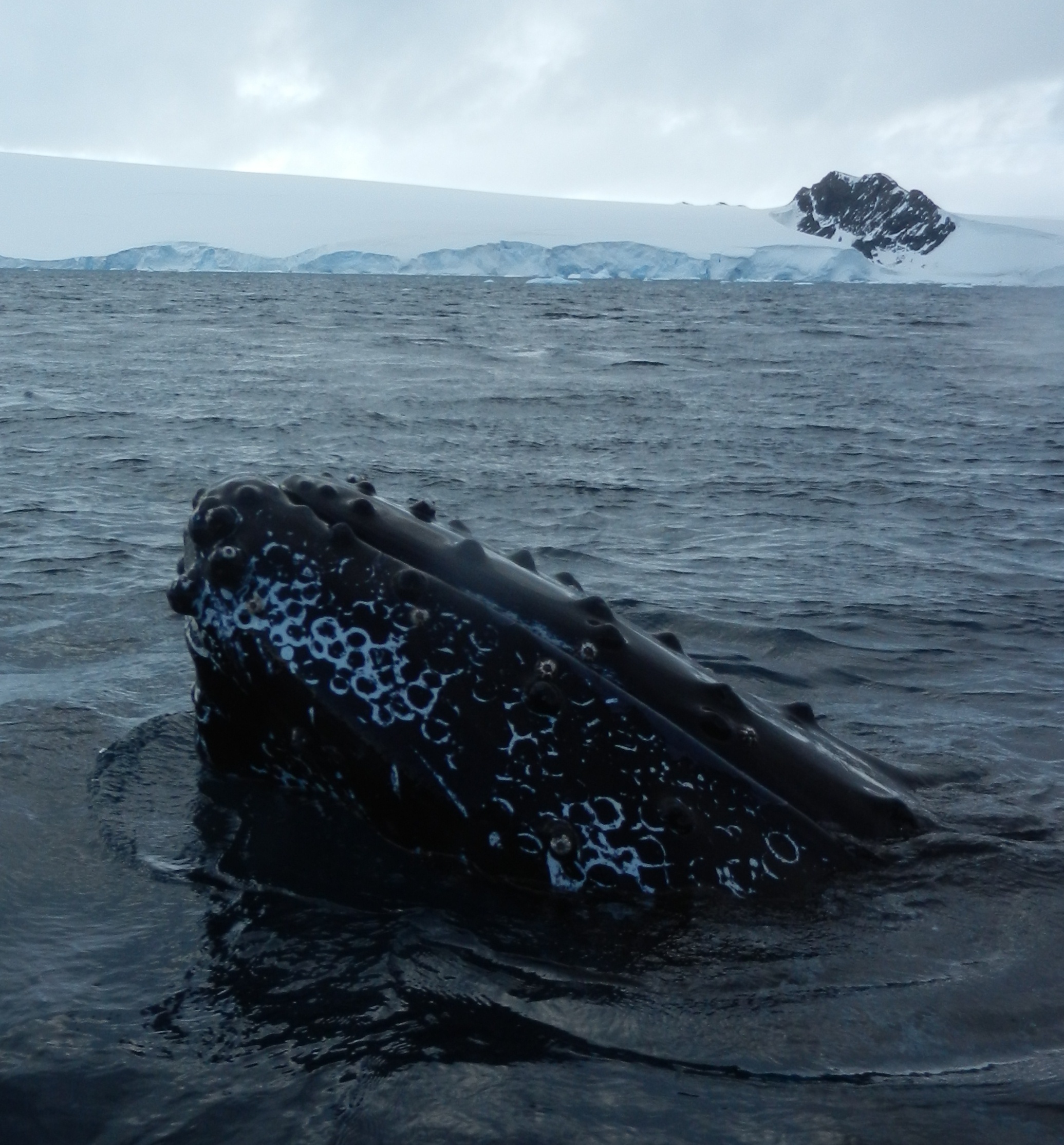
A humpback whale in Antarctica (photo credit: Chris Parsons)
Earlier this year the International Court of Justice (ICJ) ruled that Japan’s so-called “scientific whaling” in Antarctica (the JARPA II research program, to give its official title) was illegal. Article VIII of the International Convention on the Regulation of Whaling allows the lethal take of whales for scientific research purposes by “special permit.” The ICJ ruled, however, that the Japanese program was in violation of this provision, because JARPA II was not bona fide scientific research but was instead de facto commercial whaling.
The Japanese Government initially stated that it would abide by the ICJ’s decision and discontinue JARPA II, but then later announced it would conduct a new research program in the Antarctic (JARPA III?). This sudden turnabout was less based on science or market forces than politics, no doubt – sales of whale meat in Japan have been declining and there is currently a warehoused surplus. It may have also been influenced by NGOs (specifically Sea Shepherd) publicly claiming to have “defeated” the Japanese Government and forced them to end the Antarctic hunt (for the record, Sea Shepherd was not involved in the ICJ court case at all, and can claim no responsibility for the outcome). For the fiercely proud and nationalistic Japanese politicians, to have a small NGO – which they have labelled a “terrorist organization” – beat them would be politically untenable.
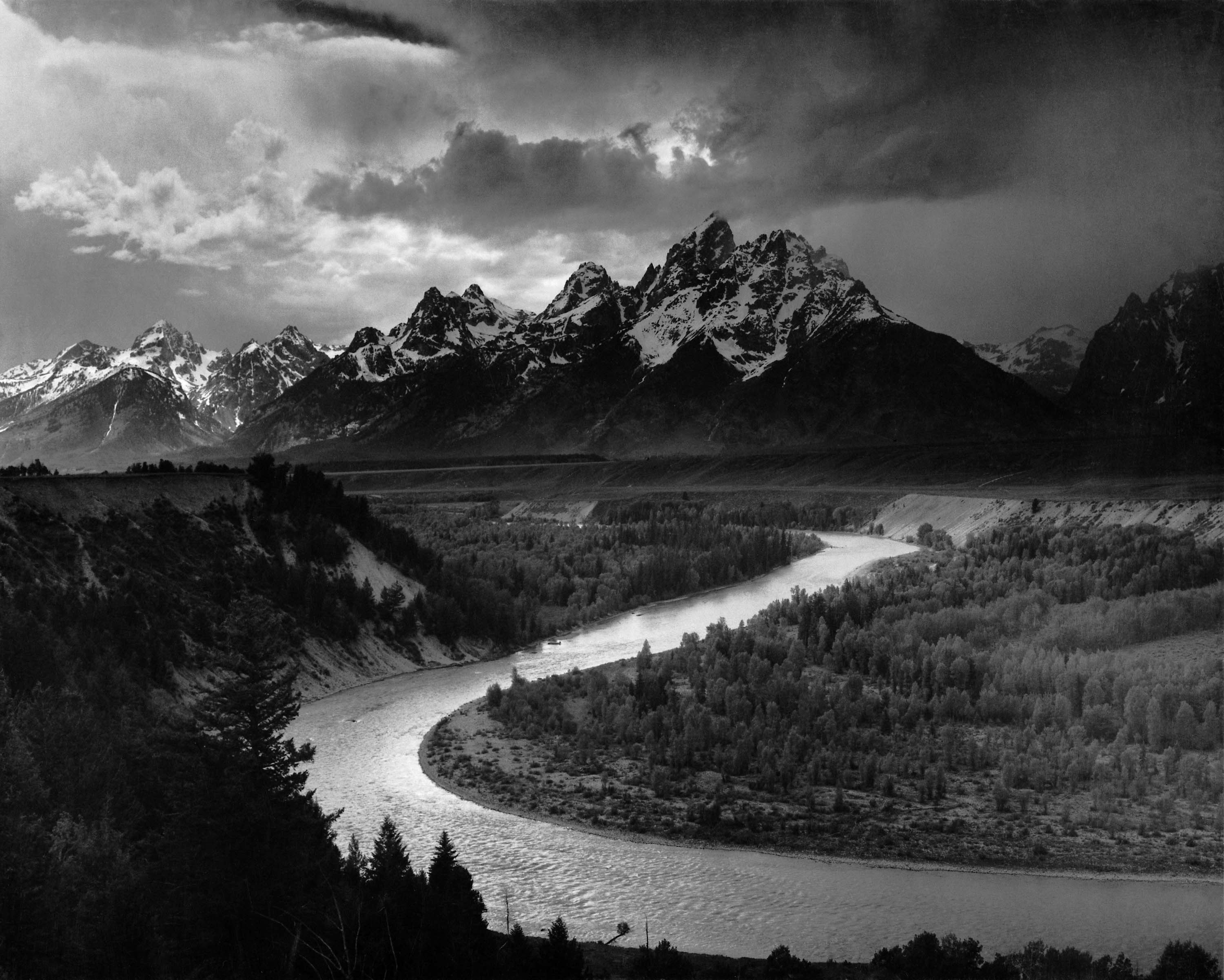
Ansel Adams helped create what we now call American wilderness through his skillful photography – both his photographs and the places he used them to protect are national treasures. Recently, many of us were reminded of our country’s wilderness legacy through celebrations of the 50th anniversary of the Wilderness Act. For a quick reminder, the Actdesignated some of our federally-held lands as wilderness:
For this purpose there is hereby established a National Wilderness Preservation System to be composed of federally owned areas designated by Congress as “wilderness areas”, and these shall be administered for the use and enjoyment of the American people in such manner as will leave them unimpaired for future use as wilderness, and so as to provide for the protection of these areas, the preservation of their wilderness character, and for the gathering and dissemination of information regarding their use and enjoyment as wilderness.
Ansel Adams: The Tetons and the Snake River
Yet, along with this celebrated history, these recent discussions have also provoked a number of managers to utilize this strong piece of legislation to their political advantage – and dare I say, without keeping in the spirit of the law.
A Scottish otter (which lives in the marine environment)
As the referendum for Scotland leaving the United Kingdom (which besides Scotland current includes Northern Ireland and Wales in addition to England, although you would be forgiven from all the media coverage to think that it only included the former and latter) approaches, I’ve been asked what would independence for Scotland mean for marine conservation? Well in some ways, not a lot. Nature Conservation in Scotland is largely a devolved issue anyway, dealt with by Scottish Natural Heritage, and numerous laws related to the marine environment have been passed by the Scottish parliament over the past decade or so.
Marine issues have had a slightly higher political profile in Scotland compared to south of the border, probably because of the large fishing industry, extensive marine natural resources and a large large marine tourism industry. From public surveys, it appears that the Scottish public actually has a reasonably good knowledge about the marine environment and many species within, and is greatly concerned about its conservation (1). With greater budgetary freedom, it’s possible that a fully independent Scottish government may allocate more financial resources to oceans.

 The United States National Marine Fisheries Service just released the 2013 “fisheries of the United States” report. The extremely detailed report contains lots of important information on both recreational and commercial fisheries in U.S. waters, and I recommend giving it a thorough read. I noticed an interesting detail about the U.S. shark fishery, though. In 2013, more large (non-dogfish) sharks were landed by U.S. recreational shark anglers (~4.5 million pounds) than by U.S. commercial shark fishermen (~3 million pounds). This was not the case in 2012.
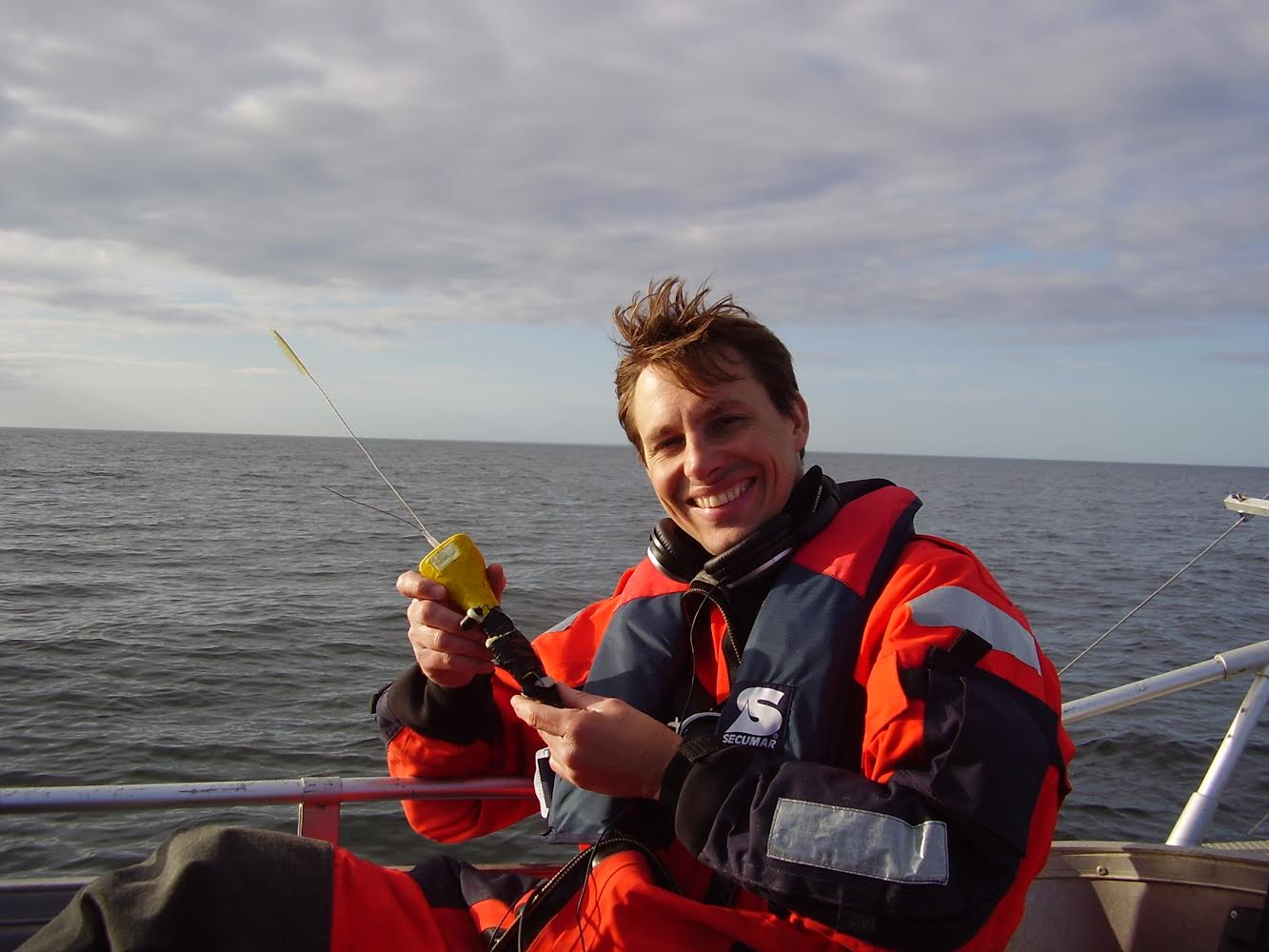 Andrew Wright is a British marine biologist that has been working on the science-policy boundary around the world for over a decade. His experiences have led him to champion a better communication of science to policy makers and the lay public. His research has included a population viability analysis for the vaquita, sperm whales bioacoustics and the impacts of noise on various marine mammals. Andrew is currently working on several projects, most relating to investigating either sleeping behaviour or chronic stress in wild cetaceans. He is also spearheading efforts to bring more marketing techniques into conservation outreach.