Skip to content

Southern Fried Science

Over 15 years of ocean science and conservation online

  • Home
  • About SFS
  • Authors
  • Support SFS

Fun Science FRIEDay – Bionic Eye

Posted on February 5, 2016February 9, 2016 By Kersey Sturdivant
Science, Uncategorized

Every year modern medicine brings more and more surprises. It really does seem that the limitations of man’s achievements are solely limited to our creative ability to dream what is possible. This week we bring you the bionic eye. As part of an ongoing trial at Oxford’s John Radcliffe Hospital surgeons implanted a micro electric chip into a patients eye restoring part of her sight.
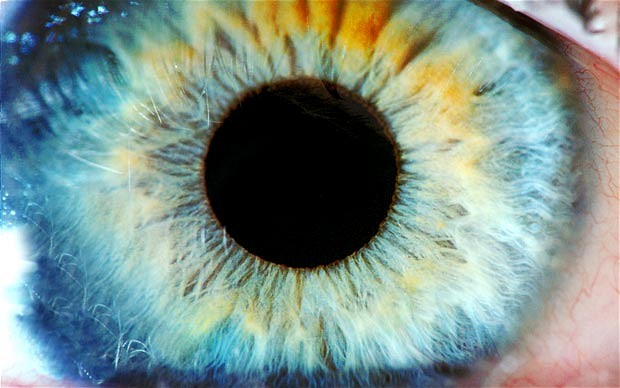
Human eye.
Human eye.

The lucky patient, Rhian Lewis a British woman aged 49, suffered from a genetic disorder, retinitis pigmentosa, which causes gradual deterioration of the light-detecting cells (photoreceptors) in the retina and can lead to blindness. Lewis was completely blind in her right eye and had virtually no vision in her left eye. In an ~6 hr surgery a chip was implanted into her right eye, and for the first time in many years she was able to see.
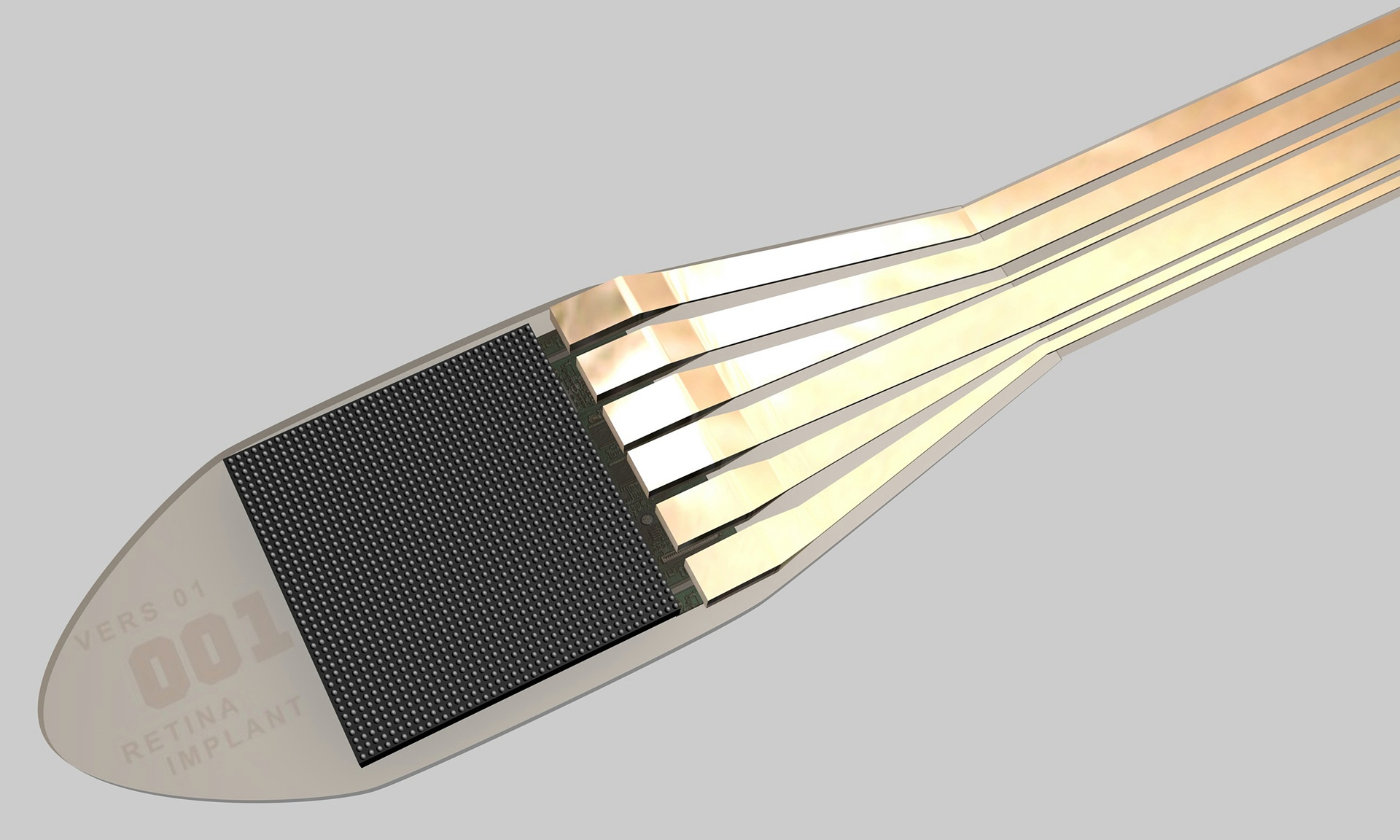
The second-generation ‘bionic eye’ implant given to Rhian Lewis. Photograph: University of Oxford/PA

The implant (a 3 mm sq array of ~1,500 light sensors sends pulsed electrical signals to nerve cells) is connected to a tiny computer that sits underneath the skin behind the ear. This is powered by a magnetic coil on the skin. When the device is first activated patients see only flashes of light, but over time the brain is retrained to convert those flashes into meaningful shapes and objects. The images can be black and white and grainy, but as you can image, still have the power to transform lives (Hey! Who turned on the lights!?). Going forward this technology will only improve, and Lewis and the surgeons at Oxford are at the frontier of that scientific progress.

Happy, snowy FSF!!

A cool descriptive video of this story on the BBC (replete with funny British accents) can be viewed here:

https://www.youtube.com/watch?v=9LdXXTkoH6g

Share this:

  • Click to share on Bluesky (Opens in new window) Bluesky
  • Click to share on Facebook (Opens in new window) Facebook
  • Click to share on Reddit (Opens in new window) Reddit
  • Click to share on Threads (Opens in new window) Threads
  • Click to share on WhatsApp (Opens in new window) WhatsApp
  • Click to share on Mastodon (Opens in new window) Mastodon

Related

Tags: blindness photoreceptors retinitis pigmentosa

Post navigation

❮ Previous Post: Making your scientific outreach go further
Next Post: Playing against the slaughter rule ❯

Popular Posts

Shark scientists want their research to help save threatened species, but don’t know how. Our new paper can help.Shark scientists want their research to help save threatened species, but don’t know how. Our new paper can help.December 1, 2025David Shiffman
Norway and Cook Islands put their deep-sea mining plans on pause.Norway and Cook Islands put their deep-sea mining plans on pause.December 3, 2025Andrew Thaler
What Ocean Ramsey does is not shark science or conservation: some brief thoughts on "the Shark Whisperer" documentaryWhat Ocean Ramsey does is not shark science or conservation: some brief thoughts on "the Shark Whisperer" documentaryJuly 2, 2025David Shiffman
What we know we don't know: impacts of deep-sea mining on whales, dolphins, sharks, turtles, and other migratory species.What we know we don't know: impacts of deep-sea mining on whales, dolphins, sharks, turtles, and other migratory species.November 20, 2025Andrew Thaler
2025: My year in writing, public speaking, and media interviews2025: My year in writing, public speaking, and media interviewsDecember 3, 2025David Shiffman
The Trouble with Teacup PigsThe Trouble with Teacup PigsOctober 14, 2012Andrew Thaler
Urea and Shark OsmoregulationUrea and Shark OsmoregulationNovember 15, 2010David Shiffman
How tiny satellites are tracking marine wildlifeDecember 1, 2025Andrew Thaler
Shark of Darkness: Wrath of Submarine is a fake documentaryShark of Darkness: Wrath of Submarine is a fake documentaryAugust 10, 2014Michelle Jewell
Quick Tips for Graduate Student Life - Write a Book ReviewJanuary 23, 2014Andrew Thaler
Subscribe to our RSS Feed for updates whenever new articles are published.

We recommend Feedly for RSS management. It's like Google Reader, except it still exists.

Southern Fried Science

  • Home
  • About SFS
  • Authors
  • Support SFS


If you enjoy Southern Fried Science, consider contributing to our Patreon campaign.

Copyright © 2025 Southern Fried Science.

Theme: Oceanly Premium by ScriptsTown