Skip to content

Southern Fried Science

Over 15 years of ocean science and conservation online

  • Home
  • About SFS
  • Authors
  • Support SFS

Fun Science FRIEDay – Open-Acess Science for the Masses

Posted on July 15, 2016 By Kersey Sturdivant
Oceanography for Everyone, Open Science, Uncategorized

The oceans belong to all of us. With this simple statement in mind, the Oceanography for Everyone (OfE) project was launched with the goal of making ocean science more accessible. One of the biggest hurdles in conducting ocean science is instrumentation costs, and 4 years ago the OfE team began trying to make one of the most basic ocean science tools, the CTD (a water quality sensor that measures Conductivity-Temperature-Depth), cheaper… much, much cheaper!
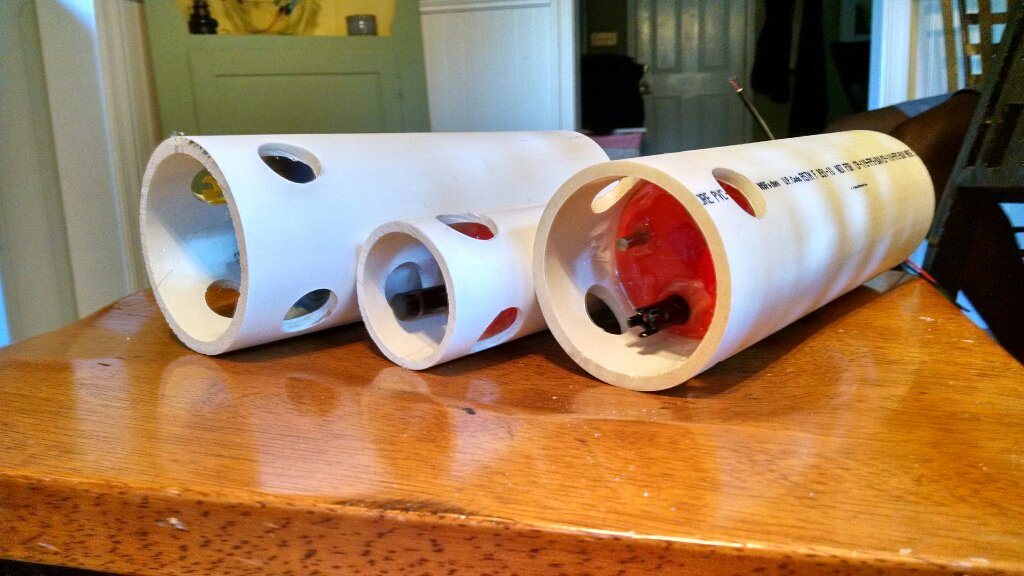
3 OpenCTD Prototypes (Photo Credit: Andrew Thaler)
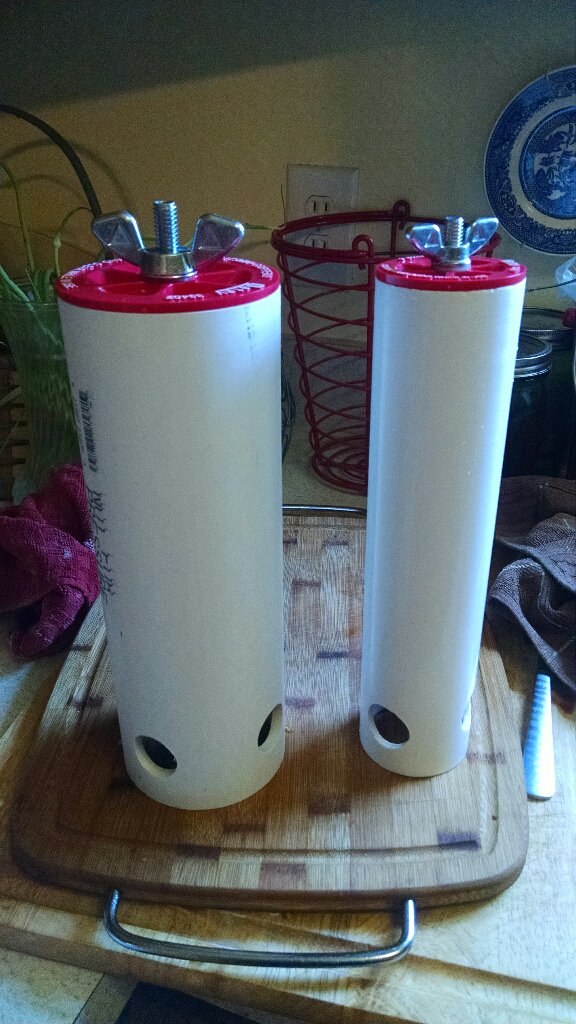
Open CTD Prototypes (Photo Credit: Kersey Sturdivant)

If you missed it, the team over at Oceanography for Everyone finalized their flagship product, the OpenCTD, a few weeks ago with the epic #HackTheOcean workshop. During an intensive weekend the OfE team built 3 working OpenCTD prototypes. These devices were the culmination of years of trial and error, with numerous failed, or not sufficiently functional, prototypes. Learning from those experiences, and building on the support of a burgeoning community, OfE was born, and OpenCTD finally reached fruition.

These low cost water quality datasondes are currently undergoing rigorous comparative testing against some of the industry leaders in water quality sensor development (e.g. SeaBird, Insitu, etc.) and are preforming admirable (early test results find the OpenCTD performs with 2% of commercial measurements). The development of OpenCTD has the potential to reshape ocean science. Low cost, scientifically accurate, water quality sensors allow the breadth of ocean science to increase, increasing the intellectual scope addressing ocean problems (currently ocean science research is conducted primarily by wealthier western nations).
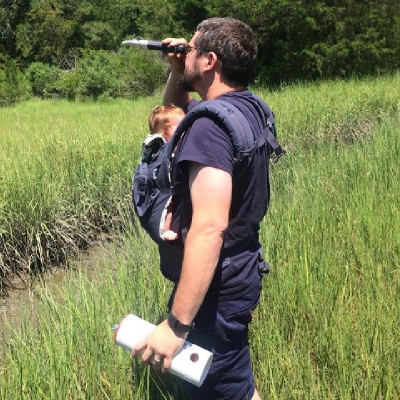
Andrew compares the OpenCTD readout to a hand refractometer, because apparently he's a hipster ecologist.
Andrew compares the OpenCTD readout to a hand refractometer, because apparently he’s a hipster ecologist.
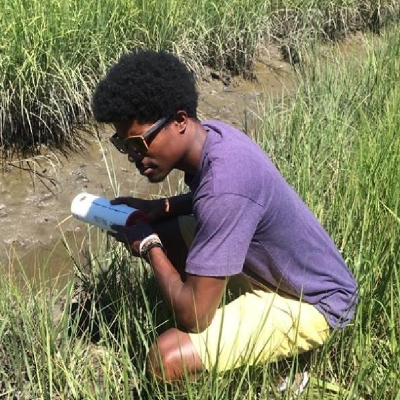
Kersey strike a pose while deploying an OpenCTD in our local estuary.


OpenCTD is currently the flagship product, but the OfE team has developed other low cost ocean science tools (Niskn 3-D, BeagleBox) and is currently working on how to incorporate the numerous request from other groups of open-source developers to join the OfE movement. It is essential for the future of ocean health, that low-cost effective tools be developed for ocean observations so more areas of the ocean can be observed and phenomena documented, and humanity as a whole can take nondestructive ownership of an environment that plays a critical role in their own survival.  The OfE team hopes to achieve that goal.
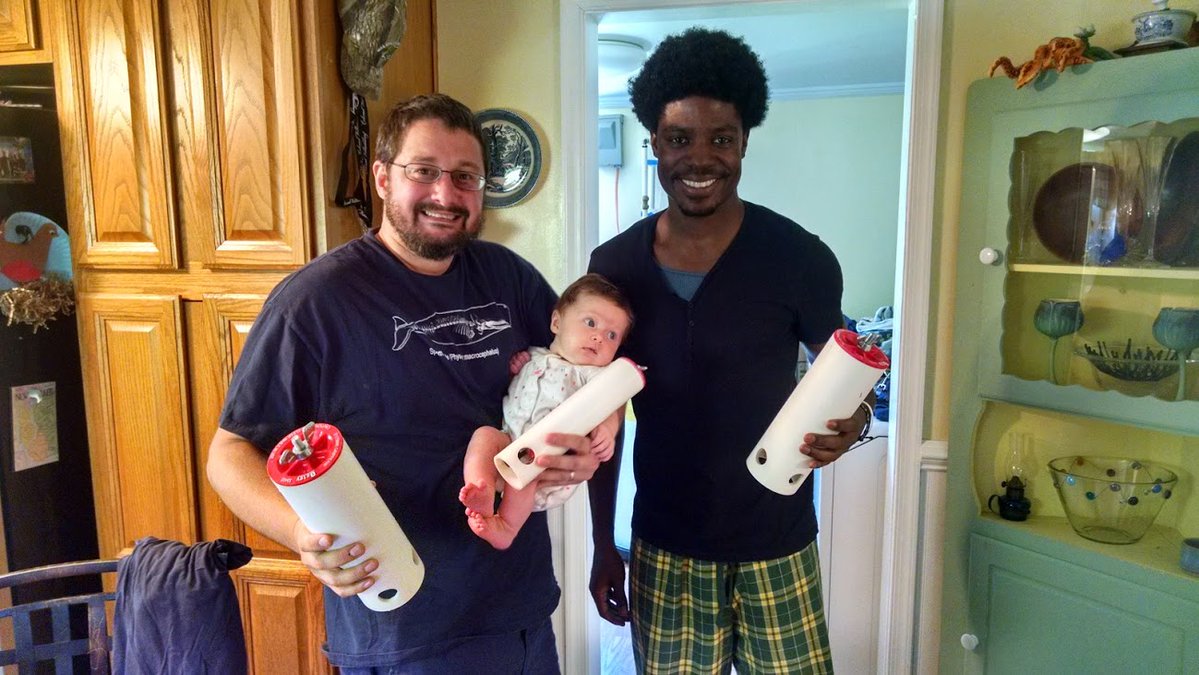
The OfE Team (Photo Credit: Mute Baby)

Join the movement. Provide your support. Spread the word.
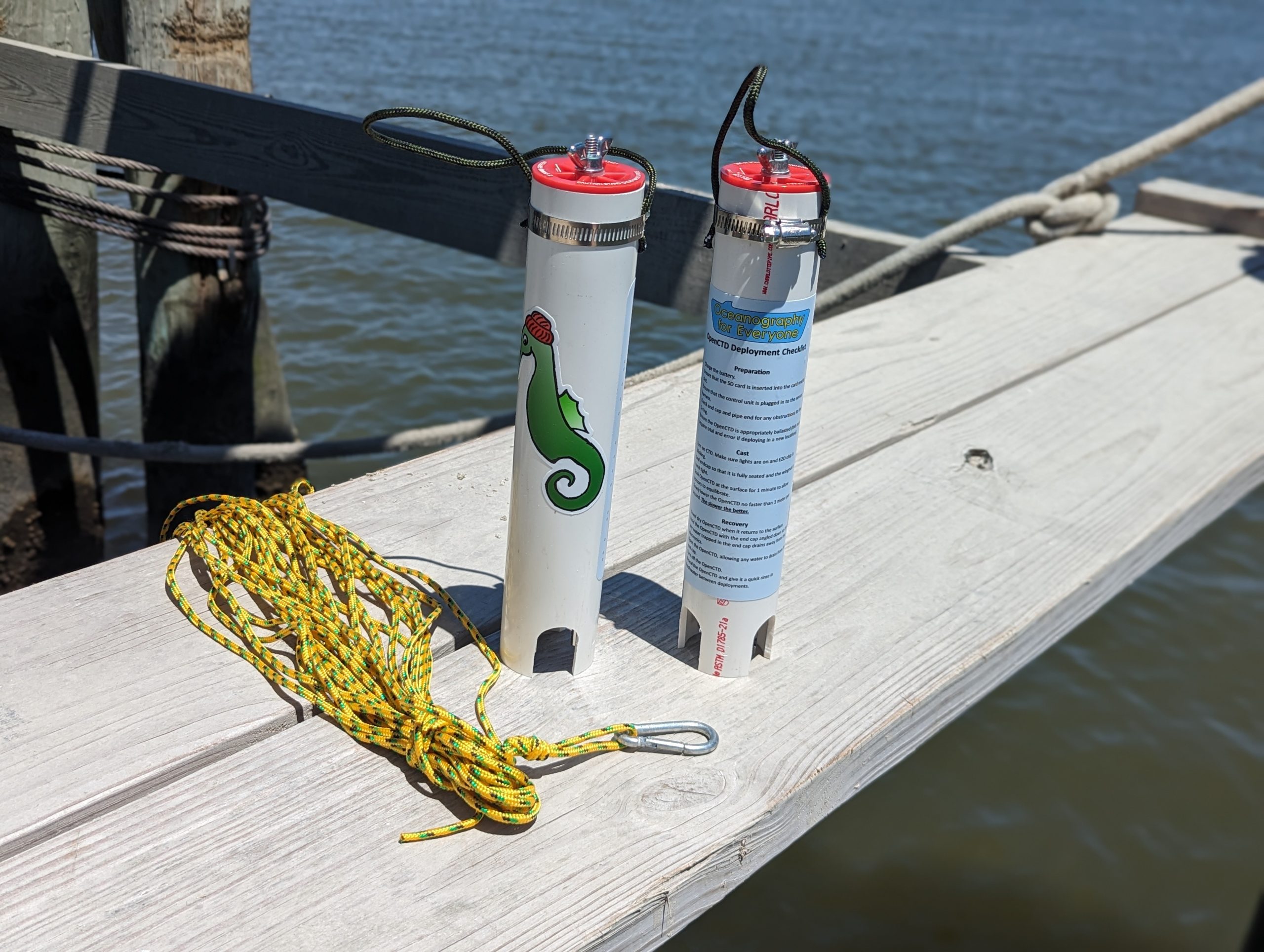
Oceanography for Everyone!

Share this:

  • Click to share on Bluesky (Opens in new window) Bluesky
  • Click to share on Facebook (Opens in new window) Facebook
  • Click to share on Reddit (Opens in new window) Reddit
  • Click to share on Threads (Opens in new window) Threads
  • Click to share on WhatsApp (Opens in new window) WhatsApp
  • Click to share on Mastodon (Opens in new window) Mastodon

Related

Tags: citizen science marine science oceanography open source

Post navigation

❮ Previous Post: Bill that would ban SCUBA divers from feeding sharks in U.S. waters introduced in Congress
Next Post: An environmental educator’s field guide to Pokémon Go. ❯

You may also like

Weekly Salvage
How goats got the bends, a new ship for VIMS, a new deep-sea submersible for all of us, our looming destruction, and more! Monday Morning Salvage: October 15, 2018.
October 15, 2018
Science
A citizen science project to monitor sevengill sharks in San Diego
June 13, 2013
citizen science
New “Exploration Science” program is open for applications, looks pretty freakin’ awesome.
June 11, 2013
Conservation
Big ideas and little robots: Using the OpenROV in interdisciplinary STEM projects
May 4, 2016

Popular Posts

What Ocean Ramsey does is not shark science or conservation: some brief thoughts on "the Shark Whisperer" documentaryWhat Ocean Ramsey does is not shark science or conservation: some brief thoughts on "the Shark Whisperer" documentaryJuly 2, 2025David Shiffman
That's not a blobfish: Deep Sea Social Media is Flooded by AI SlopThat's not a blobfish: Deep Sea Social Media is Flooded by AI SlopDecember 19, 2025Andrew Thaler
Shark of Darkness: Wrath of Submarine is a fake documentaryShark of Darkness: Wrath of Submarine is a fake documentaryAugust 10, 2014Michelle Jewell
Marine Biology Career AdviceMarine Biology Career AdviceMay 30, 2025David Shiffman
I turned my woodshop into a personal solar farm.I turned my woodshop into a personal solar farm.June 21, 2021Andrew Thaler
Here's how to help identify Important Shark and Ray Areas in North America!Here's how to help identify Important Shark and Ray Areas in North America!January 19, 2026David Shiffman
No, we didn't find the Loch Ness Monster with Apple MapsNo, we didn't find the Loch Ness Monster with Apple MapsApril 18, 2014Andrew Thaler
What can the funniest shark memes on the internetz teach us about ocean science and conservation?What can the funniest shark memes on the internetz teach us about ocean science and conservation?November 8, 2013David Shiffman
Reflections on the Boundary of Science and PolicyJune 20, 2016Bluegrass Blue Crab
We Were Wrong About Megalodon: lessons learned from 10 years combating fake science in popular mediaWe Were Wrong About Megalodon: lessons learned from 10 years combating fake science in popular mediaMarch 4, 2024Andrew Thaler
Subscribe to our RSS Feed for updates whenever new articles are published.

We recommend Feedly for RSS management. It's like Google Reader, except it still exists.

Southern Fried Science

  • Home
  • About SFS
  • Authors
  • Support SFS


If you enjoy Southern Fried Science, consider contributing to our Patreon campaign.

Copyright © 2026 Southern Fried Science.

Theme: Oceanly Premium by ScriptsTown