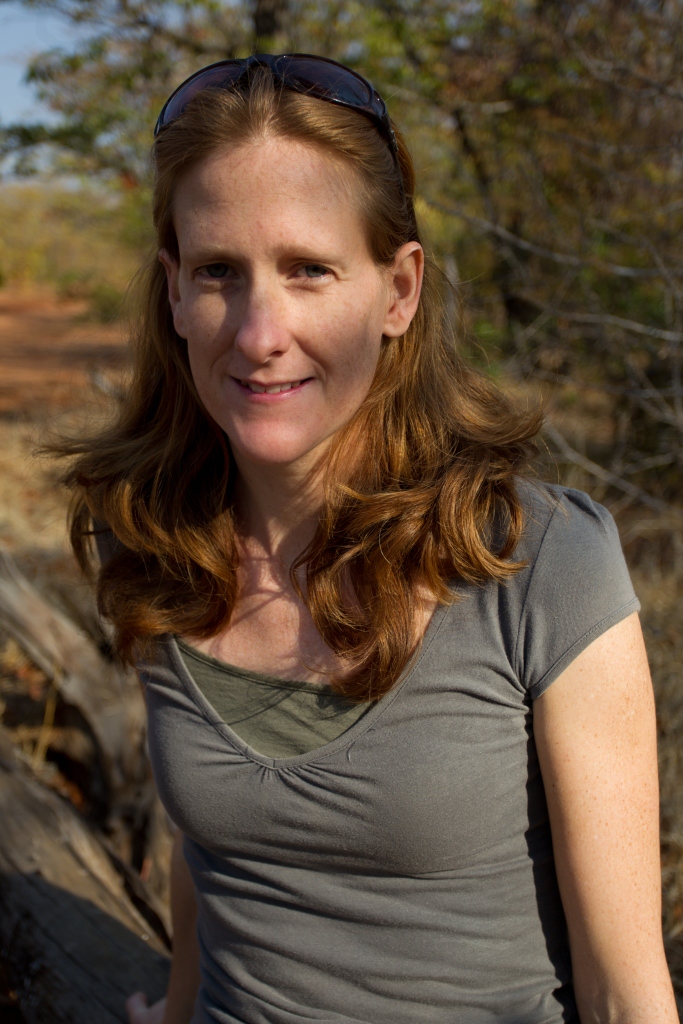
 Dr. Rosemary Groom grew up in Zimbabwe and has spent the last 12 years working in wildlife conservation in East and southern Africa. She is a dedicated conservation biologist, with a strong belief in the importance of large scale multidisciplinary conservation programs. Rosemary has worked on various different projects, from reptiles to large African herbivores, but for the past five years she has been working on large carnivore conservation in Zimbabwe, for the small, home-grown, hands-on charity The African Wildlife Conservation Fund. The endangered African wild dog is the focal species for the program, but Rosemary also runs the Gonarezhou Predator Project, focussing on African lions. Rosemary is a member of the IUCN canid specialist group and is currently acting as the southern African coordinator for the Rangewide Conservation Program for Cheetah and Wild Dogs. She has published several papers in peer reviewed scientific journals and currently holds a post-doctoral fellowship at the University of Johannesburg.
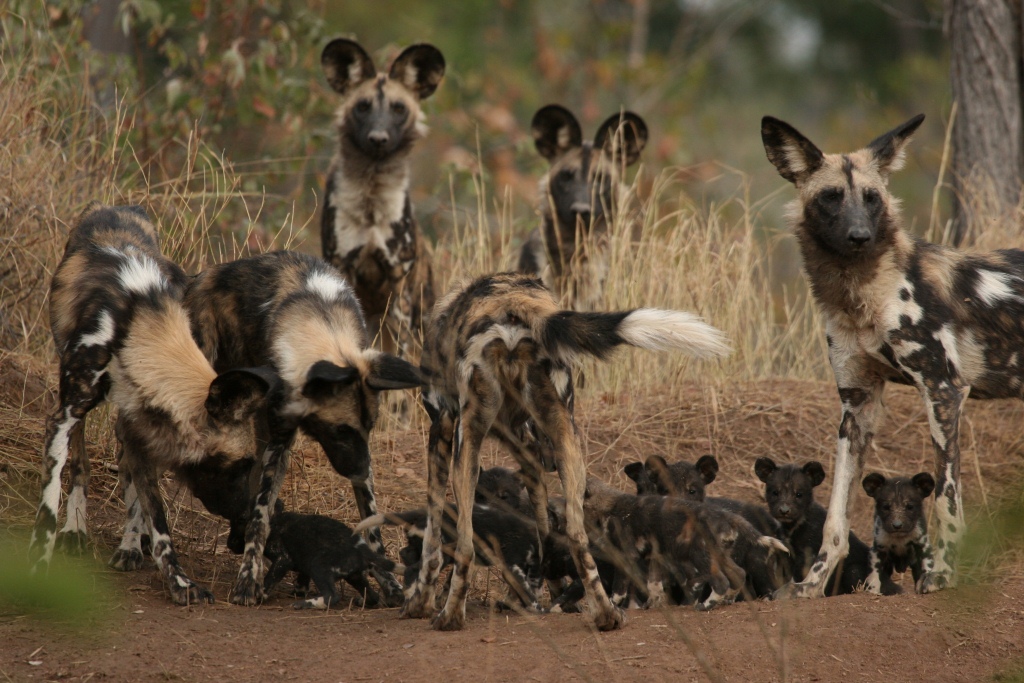
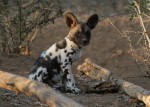
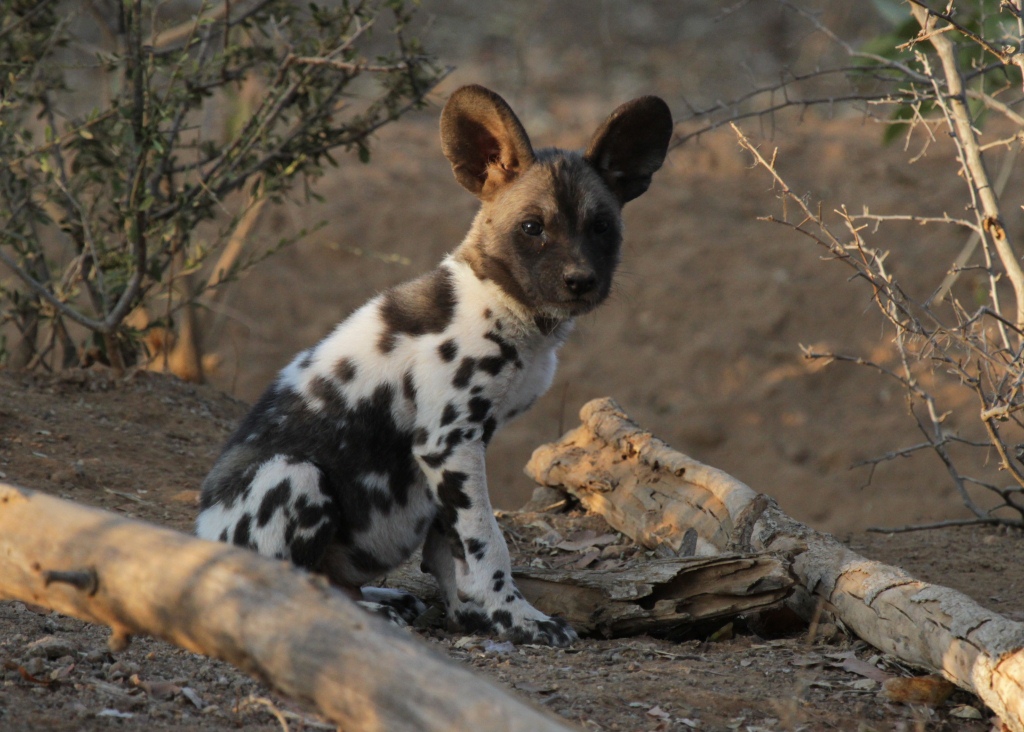
African wild dogs are the most endangered large carnivore in southern Africa. There may be as few as 660 packs left in the wild – that’s only 660 breeding females! African wild dogs are beautiful, amiable and charismatic animals with very endearing pups – not the feral domestic dogs that some people believe them to be.
In fact, African wild dogs have their own evolutionary lineage and are more closely related to wolves than they are to domestic dogs.
But unfortunately they are highly endangered and their global population is declining… Threats include habitat loss and fragmentation, wire snaring, disease, human persecution and even predation by lions.
The African Wildlife Conservation Fund (AWCF) is a small hands-on charity that works in southern Zimbabwe to conserve African wild dogs and the other large carnivores. With wide ranging species like the dogs (a single pack can have a home range over 3000km2), conservation needs to be done on a big scale, and include a wide range of stakeholders.
AWCF takes a multi-disciplinary approach to conservation. This includes management-driven research, hands-on conservation (such as removing snares from injured dogs, rabies vaccinations and anti-poaching), policy dialogue and education and community engagement. Altogether we work with 123 primary schools and 37 communities to improve knowledge and understanding of conservation issues, and to foster more positive relationships between communities and protected wildlife areas.
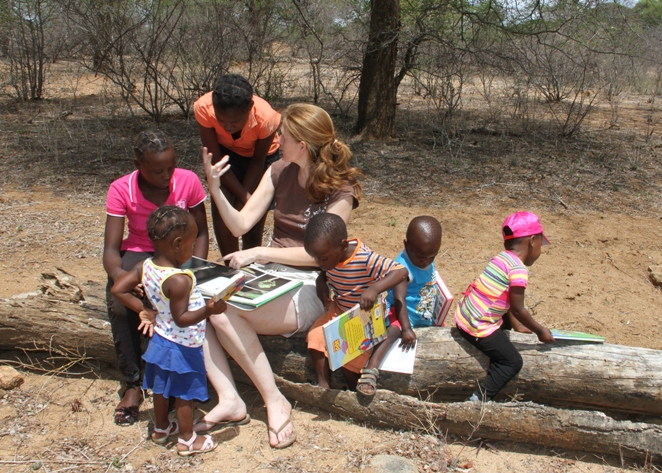
Our education program is multifaceted, and includes scholarships, support for environmental clubs, provision of conservation awareness materials and DVD shows. We also run a literacy project, having realised very early on that over 80% of the primary school students we work with could not read. The program uses Happy Reader literacy books, which use animals as characters, thereby encouraging children to see wildlife as individuals and friends, rather than just a food source or problem! Larry lion is already a popular character and a wild dog character is being developed for the level three books.
The good news is that our efforts seem to be working! The African wild dog population in the area is increasing, even to the point that it’s starting to act as a source for other areas. But we are by no means complacent, and the hard work needs to continue, with a goal of making most of the programs sustainable.
More information on our various programs can be found by visiting www.africanwildlifeconservationfund.org, and regular project updates are posted on http://www.facebook.com/AfricanWildlifeConservationFund.
Our study area comprises the Zimbabwean Part of the Greater Limpopo Transfrontier Conservation Area. This TFCA includes parts of South Africa and Mozambique and hosts almost one tenth of the remaining African wild dog population. But to conserve this population in the long term, we need your support.
Please consider supporting the programs by making a donation through a secure PayPal system found at http://www.africanwildlifeconservationfund.org/donate/. Your donation will go directly into the conservation efforts on the ground – either to support student scholarships, provide literacy materials to schools, buy the drugs to de-snare injured wild dogs and help our antipoaching efforts.