In the last month, two major players in the development of the deep-sea mining industry have put their plans on pause, calling for more research and less urgency in the race to the bottom.
In November, the Cook Islands opted to extend their current exploration programs for an another five years, giving contractors and scientists more time to understand the environmental consequences of mining their polymetallic nodule fields. The Cook Island has been one of the leading voice in pushing deep-sea mining forward. They were among the first few countries to establish a Seabed Minerals Authority and create national deep-sea mining regulations.
Three mining companies were issued exploration licenses in 2022. The Cook Islands SBA determined that none of those three companies had adequately completed their plan of work and would need to apply for additional 5-year exploration licenses in 2027. This effectively pushed back the earliest start date for deep sea mining in the Cook Islands to 2032.
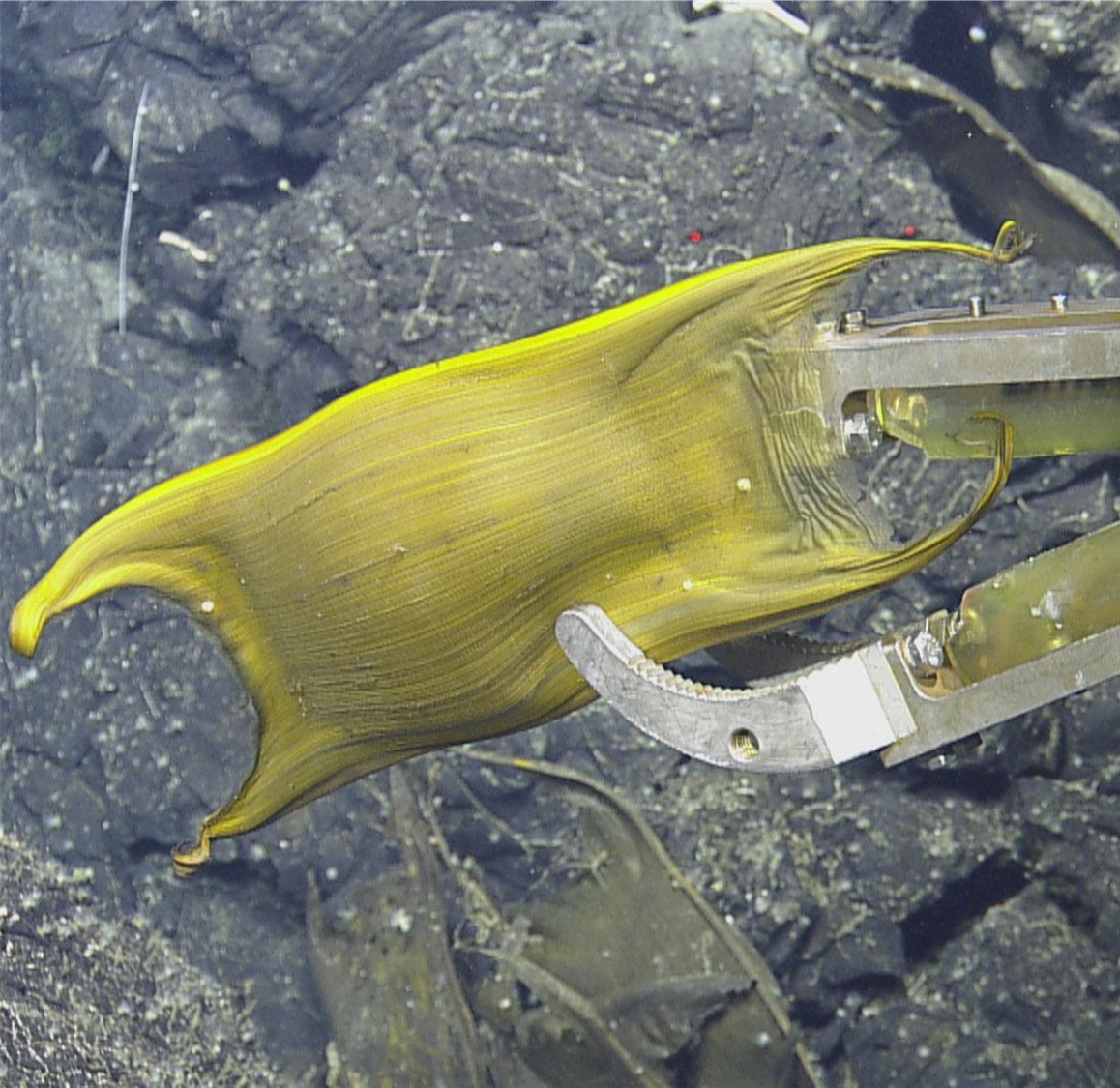
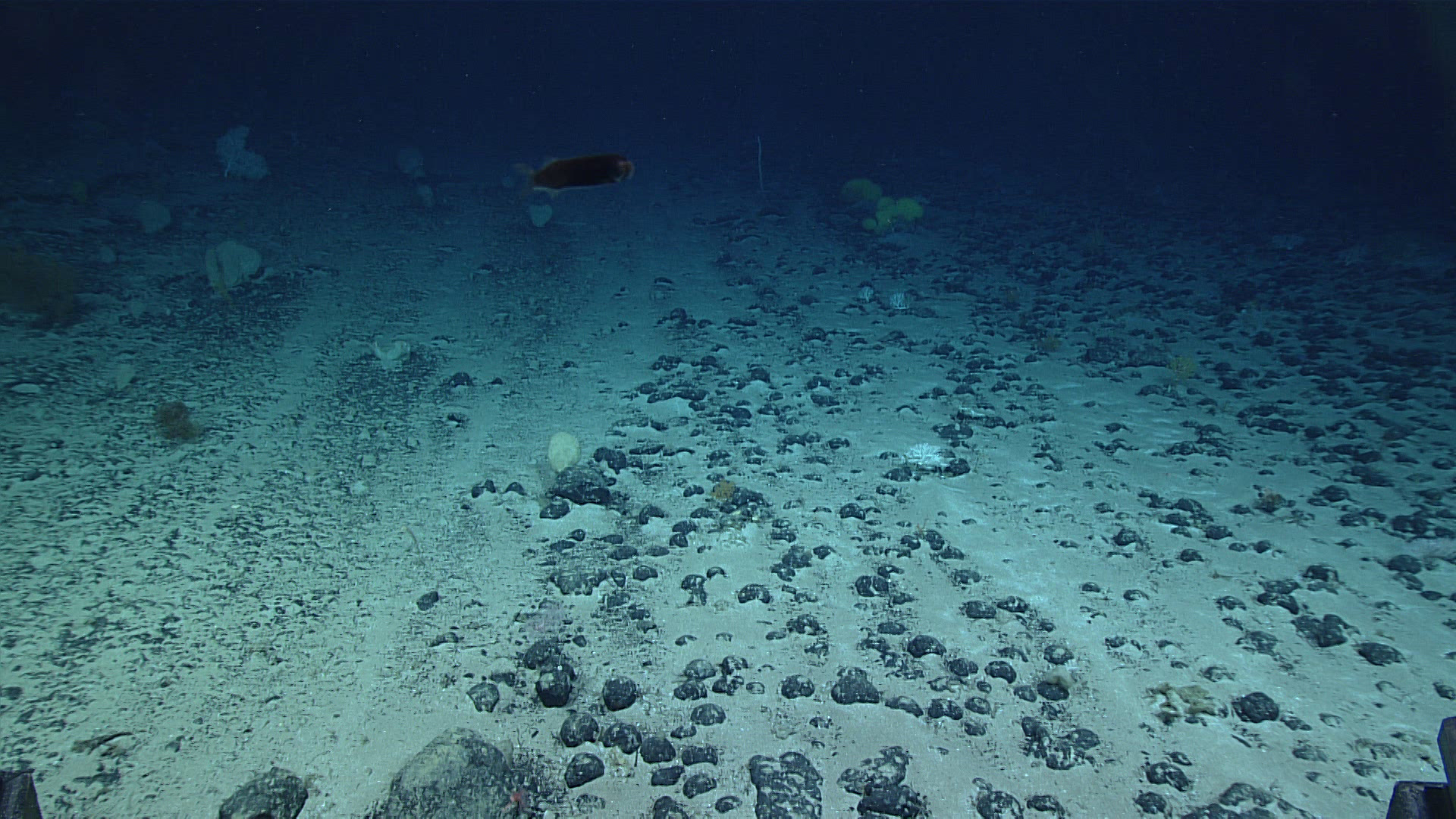
The announcement comes on the heals of the phenomenal EV Nautilus Expedition to the Cook Islands, which documented the diverse and abundant life found among these nodule fields.
Today, Norway announced that they, too, would postpone any issuing of deep-sea mining exploration licenses in Norwegian waters for four years. Norway made waves at the beginning of 2024 when it announced that they would begin issuing mining licenses for seafloor massive sulphides. As 2024 came to a close, they back-tracked thanks to a parliamentary budget deal. Norway’s own deep-sea mining company, Loke Marine Minerals, declared bankruptcy earlier this year.
This new pause is, again, thanks to a budget negotiation in parliament, with an agreement reach that no deep-sea mining licenses would be granted during the current legislative term, which runs through 2029. This effectively pauses the development of deep-sea mining in Norwegian waters until 2030.
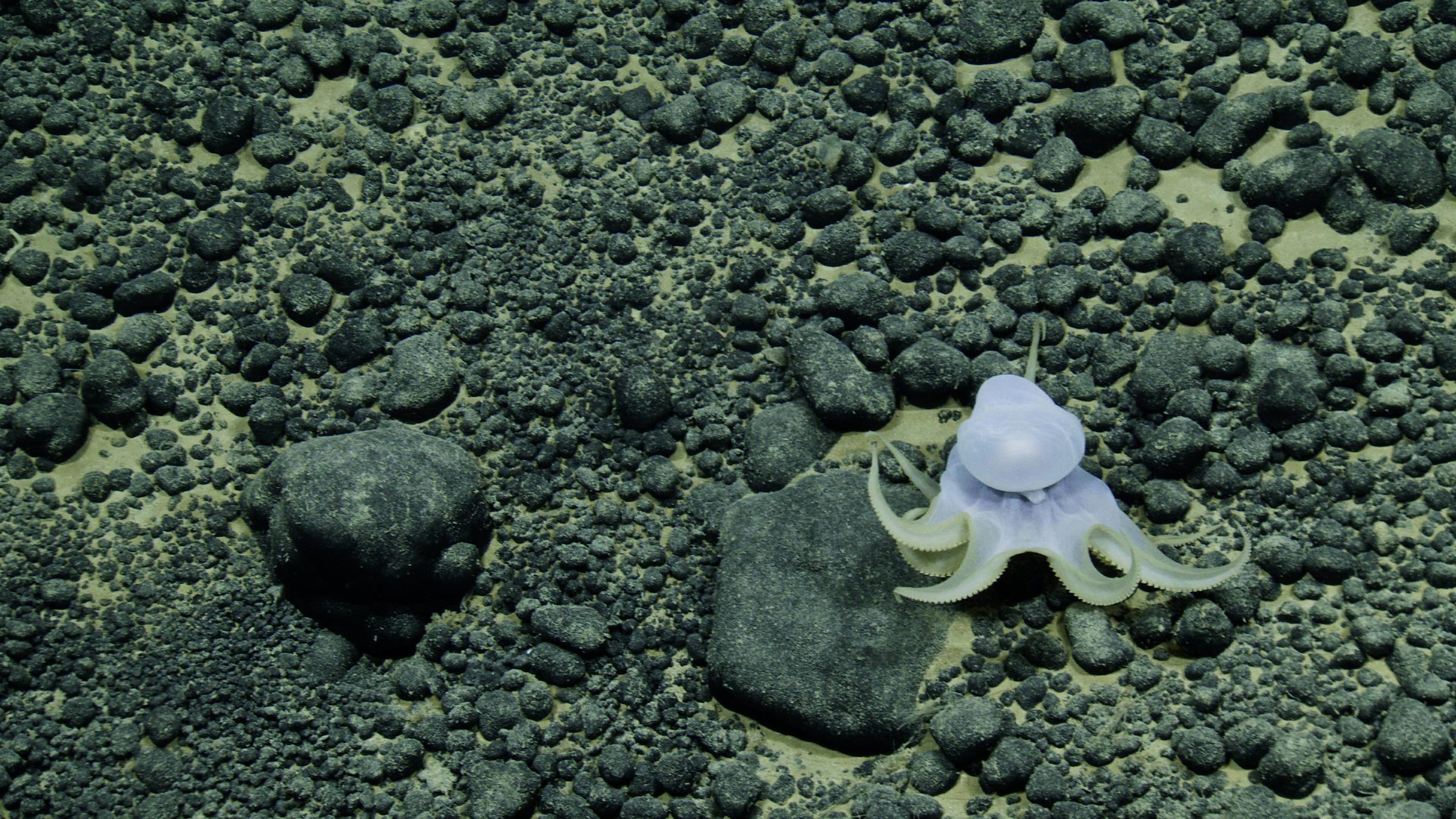
Featured Image: Casper Octopus gliding across the seafloor, courtesy Ocean Exploration Trust
Southern Fried Science is free and ad-free. Southern Fried Science and the OpenCTD project are supported by funding from our Patreon Subscribers. If you value these resources, please consider contributing a few dollars to help keep the servers running and the coffee flowing. We have stickers.