Skip to content

Southern Fried Science

Over 15 years of ocean science and conservation online

  • Home
  • About SFS
  • Authors
  • Support SFS

Tag: DISCOL

Two Years of Deep-sea Mining in Review: A 3-decade-long disturbance study on the deep abyssal plain.

Posted on March 17, 2022March 17, 2022 By Andrew Thaler
Two Years of Deep-sea Mining in Review: A 3-decade-long disturbance study on the deep abyssal plain.
Science

As in-person negotiations on the future of exploitation in the deep ocean resume this week in Kingston Jamaica, we reflect back on the last two years of development as reported on our sister site, the Deep-sea Mining Observer. This article first appeared on May 22, 2020.


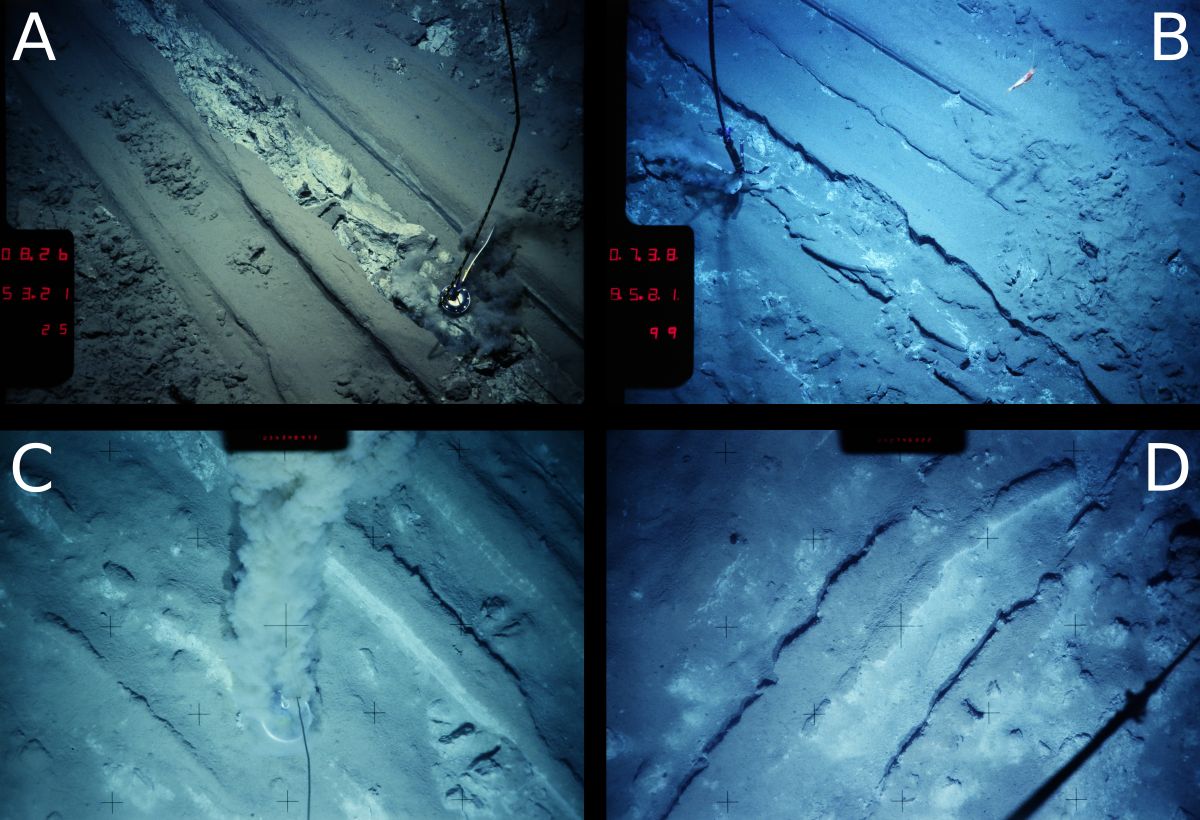
In the late 1980s, as the first wave of deep-sea mining exploration approached a decade of hibernation, researchers launched an ambitious experiment to understand the long-term environmental impact of harvesting polymetallic nodules from the abyssal plain. The Disturbance and recolonization experiment in a manganese nodule area of the deep South Pacific (DISCOL) remains the most ambitious attempt to understand how nodule extraction affects deep ocean ecosystems. Though interest (and funding) waxed and waned with the prevailing interest in deep-sea mining, now, more than 30 years later, DISCOL provides the only large, multi-decade impact study from which contractors, regulators, and environmental advocacy groups can draw inferences about the recovery and resilience of deep-sea ecosystems following mining-induced disturbances throughout the lifetime of an ISA-issued mining exploration or exploitation lease. 

The 1980s saw a surge in interest for deep-sea mining. The successful early campaigns of the late 1970s, bolstered by CIA funding for Project Azorian, presented a future of seemingly limitless profit scattered across the seafloor. That the early financial projections were supported by covert government funding was not yet widely known, and, even for those who were privy to the operation, regardless of initial funding the value had been established, the ship built, the technology sea-trialed. The profit potential was there. What was still tabula rasa was the environmental consequences of extraction on an almost completely unknown ecosystem.

Read More “Two Years of Deep-sea Mining in Review: A 3-decade-long disturbance study on the deep abyssal plain.” »

Popular Posts

What Ocean Ramsey does is not shark science or conservation: some brief thoughts on "the Shark Whisperer" documentaryWhat Ocean Ramsey does is not shark science or conservation: some brief thoughts on "the Shark Whisperer" documentaryJuly 2, 2025David Shiffman
Reflections on science and my role in it, ten years since my Ph.D. defenseReflections on science and my role in it, ten years since my Ph.D. defenseApril 1, 2026David Shiffman
Here's how to join my IMCC8 symposium, "Ocean Science Communication: What's New and What's Next?"Here's how to join my IMCC8 symposium, "Ocean Science Communication: What's New and What's Next?"April 22, 2026David Shiffman
Here are some ocean conservation technologies that I'm excited aboutHere are some ocean conservation technologies that I'm excited aboutFebruary 19, 2026David Shiffman
That's not a blobfish: Deep Sea Social Media is Flooded by AI SlopThat's not a blobfish: Deep Sea Social Media is Flooded by AI SlopDecember 19, 2025Andrew Thaler
Fun facts and FAQs about Megalodon, Maryland's new (and definitely extinct) official state sharkFun facts and FAQs about Megalodon, Maryland's new (and definitely extinct) official state sharkApril 15, 2026David Shiffman
Shark of Darkness: Wrath of Submarine is a fake documentaryShark of Darkness: Wrath of Submarine is a fake documentaryAugust 10, 2014Michelle Jewell
What is a Sand Shark?What is a Sand Shark?November 12, 2017Chuck Bangley
Here's what I teach my students about finding jobs in marine biology and conservationHere's what I teach my students about finding jobs in marine biology and conservationApril 10, 2024David Shiffman
Urea and Shark OsmoregulationUrea and Shark OsmoregulationNovember 15, 2010David Shiffman
Subscribe to our RSS Feed for updates whenever new articles are published.

We recommend Feedly for RSS management. It's like Google Reader, except it still exists.

Southern Fried Science

  • Home
  • About SFS
  • Authors
  • Support SFS


If you enjoy Southern Fried Science, consider contributing to our Patreon campaign.

Copyright © 2026 Southern Fried Science.

Theme: Oceanly Premium by ScriptsTown