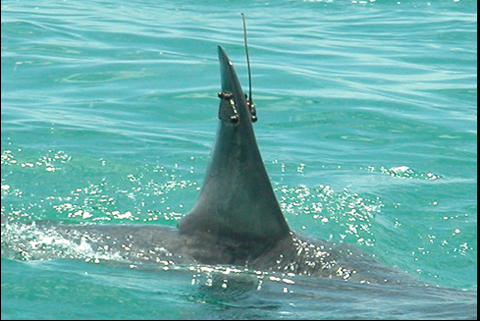
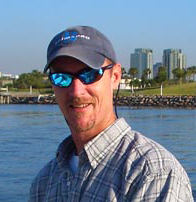
 Dr. Chris Lowe is a Professor of Marine Biology at California State University Long Beach, and is Director of the CSULB Shark Lab. He has studied California’s great white sharks for more than 10 years, and has written more than 75 peer-reviewed scientific publications. Dr. Lowe also serves on the Board of Directors for the American Elasmobranch Society, the world’s largest professional organization of shark scientists. The following guest post was also submitted as a public comment to the California Department of Fish and Wildlife.
Comments for consideration on the petition to list white shark as threatened or endangered species:
I am a Professor of Marine Biology and the Director of the CSULB Shark Lab at California State University Long Beach and have been conducting State and Federally permitted white shark research in California since 2002. In addition, as a professional and published shark scientist who has studied a variety of shark species around the world, including white sharks in California, I would like to take this opportunity to express my personal professional opinion in regards to the petition request and the science behind it.