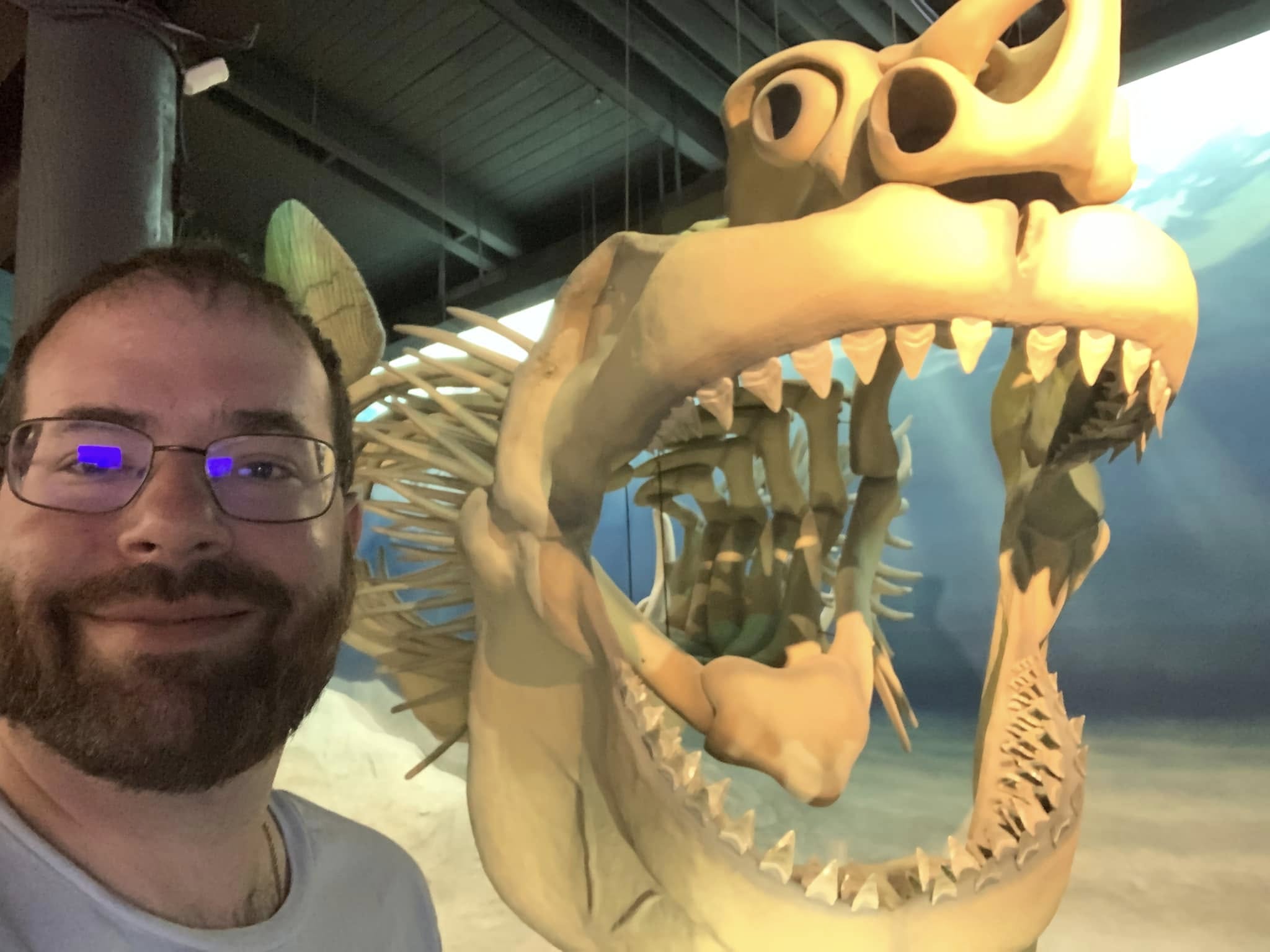
This week, Maryland became the first U.S. State to have an official state shark! Otodus megalodon was a really cool shark that is rightfully beloved by many, and Maryland’s Calvert Cliffs are a major source of Megalodon fossils of this awesome animal (which is definitely and unequivocally super-duper extinct). I wanted to join in the celebration by sharing some fun facts, and answering your questions, about these amazing (and extinct) animals. And I wanted to use this occassion to share some important facts about sharks and shark conservation.
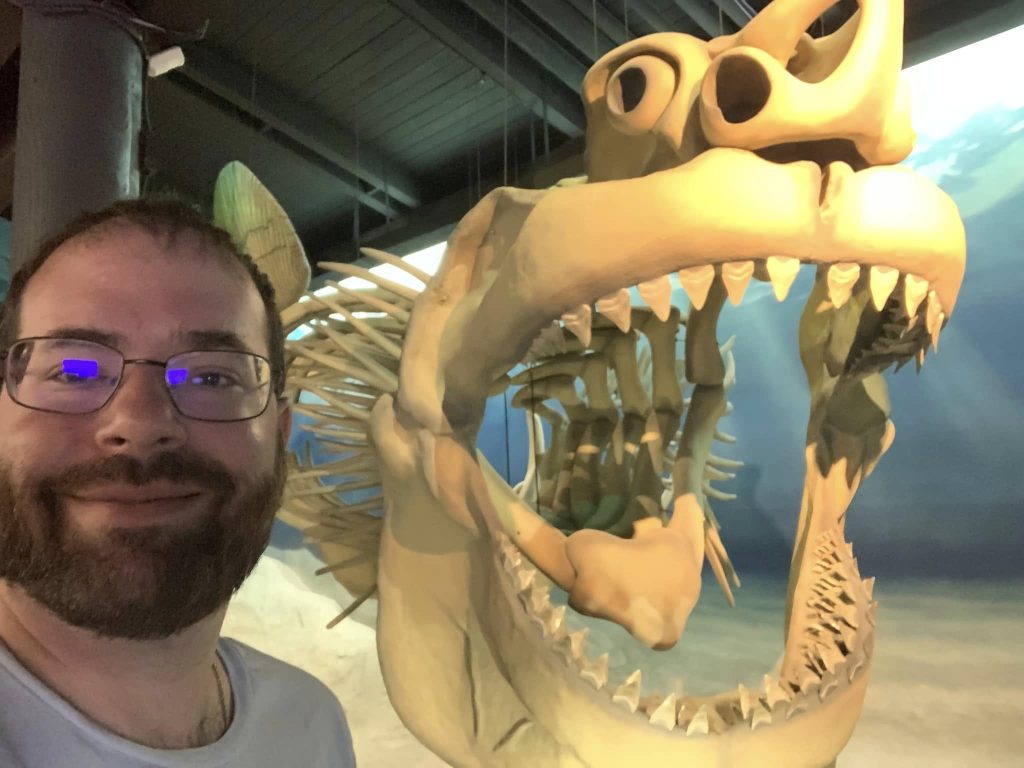
Me posing with a Megalodon reconstructed skeleton at Calvert Maritime museum,
which has lots of great fossils of this definitely-extinct shark.
How big was Megalodon? We don’t know for sure because a lot of this is reconstruction based on the fossil record, and sharks have cartilaginous skeletons which don’t fossilize well. We can’t just go measure one in the wild because they are extinct. But estimates suggest that they could grow to be about sixty feet long, about 3 times the size of an adult modern great white, with some variation in different global populations. Notably, they probably weren’t just super-sized great whites, and likely had a longer skinnier appearance. Their teeth could each be 6 inches or longer, so it’s no accident that Megalodon means “mega tooth.” They lived in shallow coastal waters all over the world and hunted whales.
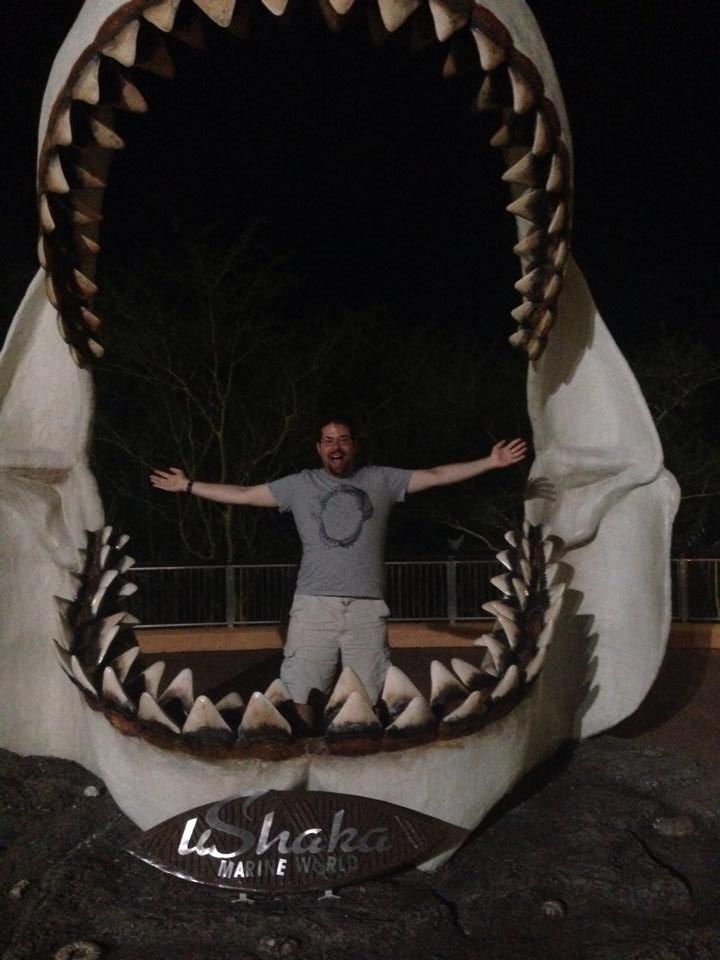
When did Megalodon live? Fossil records of Megaldon have been found in a bunch of places all over the world, and these tell us that this shark lived from about 23 million years ago to about three and a half million years ago. There has not been any evidence whatsoever of Megalodon since then, especially not any evidence of them still alive today, because they are extinct.
You seem pretty focused on the fact that they’re extinct. That’s because there is a bizarre conspiracy theory claiming that Megalodon is not extinct and is a threat to you and your family’s safety, and that scientists and the government are covering it up. Shark Week spread this nonsense. Some of my colleagues have gotten death threats for our supposed role in covering this up. I speak to thousands of people around the world about marine biology and ocean conservation and I can’t remember the last time no one asked me about this. You guys, they’re extinct. There is no cover up.
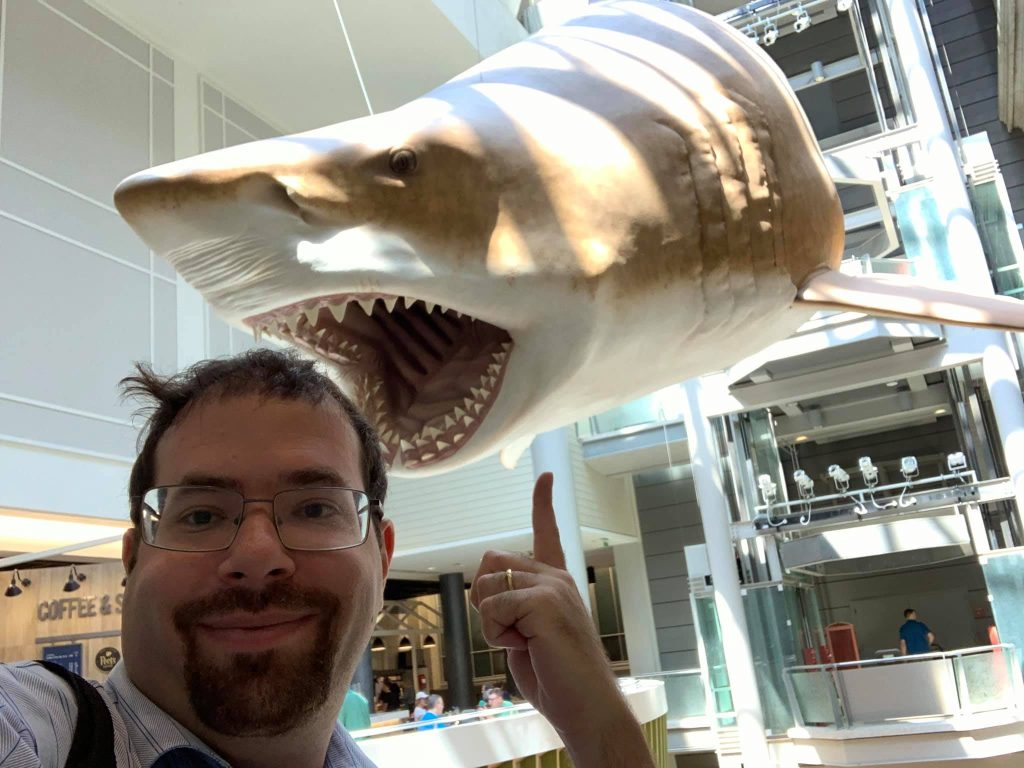
Why did they go extinct? Scientists believe that Megalodon went extinct, which definitely happened and no more are left alive in the oceans today, because of a mix of a changing climate and changing prey availability, as well as the evolution of cooperative hunting in some toothed whales.
But how do you know that they’re extinct? The short answer is that if there was a 60 foot long shark that bit whales in half that lived in shallow coastal waters, there would be some evidence of this, and there isn’t any. Can we get back to talking about sharks and shark conservation now?
Look I’m sorry I don’t want to dwell on this but what about the Coelacanth? Sigh. Sure, sometimes scientists think animals are extinct and discover that some of them are still around. And new species are discovered all the time. But that doesn’t mean that a 60 foot long that bit whales in half and lived in shallow coastal waters is out there hiding leaving no trace of any kind.
What if they moved into deep water like in “The Meg?” Friends, that’s a science fiction movie. I actually enjoyed it more than I thought I would, and it was my first-ever paid movie review. (IndieWire not only paid me for it, but paid for my bar tab, because I told them that I wasn’t going to watch this movie sober). It’s based on a series of books, and I like those books so much that there’s actually a marine biologist character based on me in Meg 4: Hell’s Aquarium. I hope that they keep making movies and that I get to pick who plays me. But these books also claimed that some ancient marine reptiles evolved gills and moved into the deep sea, along with Megalodon. That’s just not how any of this works. Megalodon did not change it’s entire ecology and physiology and move into the deep sea, the species is extinct. It is an ex-shark. It is no more, it has ceased to be.
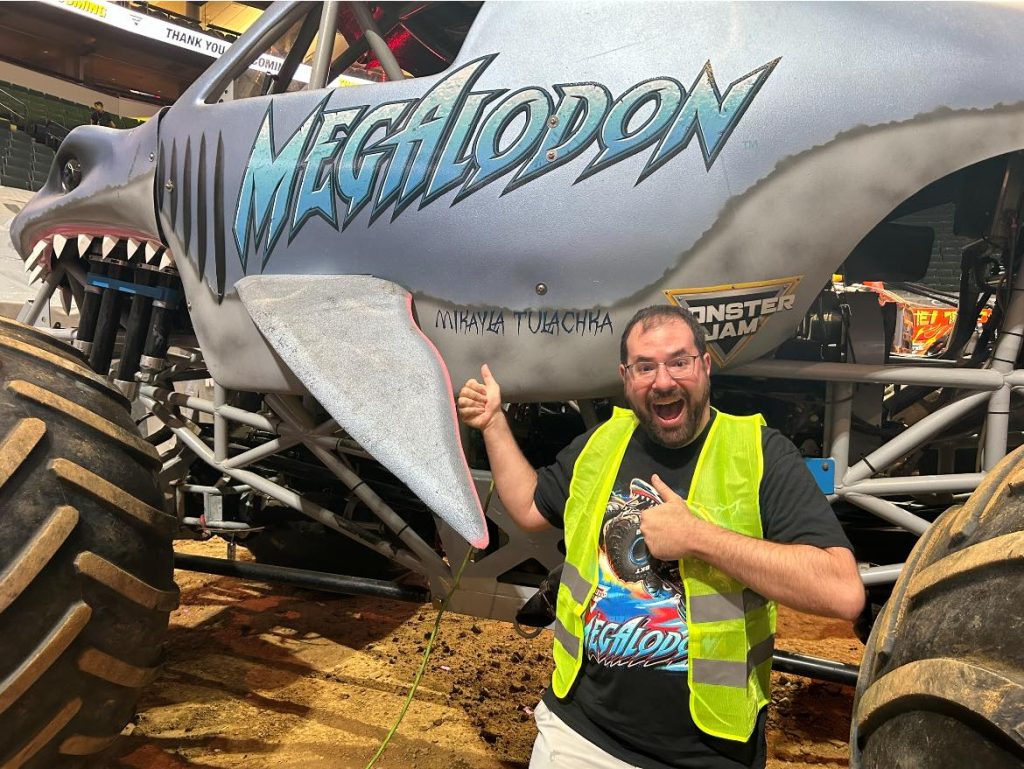
But scientists have only explored 10% of the ocean, how can you know for sure what’s not there? Ok just stop. This is a weird internet conspiracy theory with absolutely no evidence. It is not possible that Megalodon is still around. But the good news is there are lots of awesome sharks that are still alive today, and many of them need your help. Can we talk about that now?
We’re almost out of time here but sure drop your message about shark conservation I guess. Megalodon is extinct, and unfortunately many modern-day sharks face a serious risk of extinction themselves, driven by unsustainable fishing practices. In fact, more than 1/3 of all modern-day species of sharks and their relatives are assessed as threatened with extinction according to the IUCN Red List Species Survival Commission’s Shark Specialist Group. Because of the important ecosystem roles that these predators play in marine and coastal ecosystems that humans depend on for food and jobs, shark population declines are bad for everyone. We are better off with healthy shark populations off our coasts than we are without them, and we’re in danger of losing many species forever. You can learn more about the threats to sharks and the policy solutions to help protect them in my book Why Sharks Matter, and I share ways that you can help save sharks on my Instagram, Facebook, and Bluesky pages.
What sharks live in Maryland waters today? According to Maryland DNR, there are 41 species of sharks found in Maryland waters, including in the Chesapeake and off the coast. These include species you’ve probably heard of like bull sharks, species you may not have heard of like Atlantic sharpnose sharks, and everybody’s favorite shark the sandbar shark #BestShark. It is my hope that having a state shark will help raise awareness of the sharks alive in our waters today, the threats they face, and how we can help.