Skip to content

Southern Fried Science

Over 15 years of ocean science and conservation online

  • Home
  • About SFS
  • Authors
  • Support SFS

Japan becomes the first nation to mine a deep-sea hydrothermal vent

Posted on September 27, 2017 By Andrew Thaler 1 Comment on Japan becomes the first nation to mine a deep-sea hydrothermal vent
Uncategorized

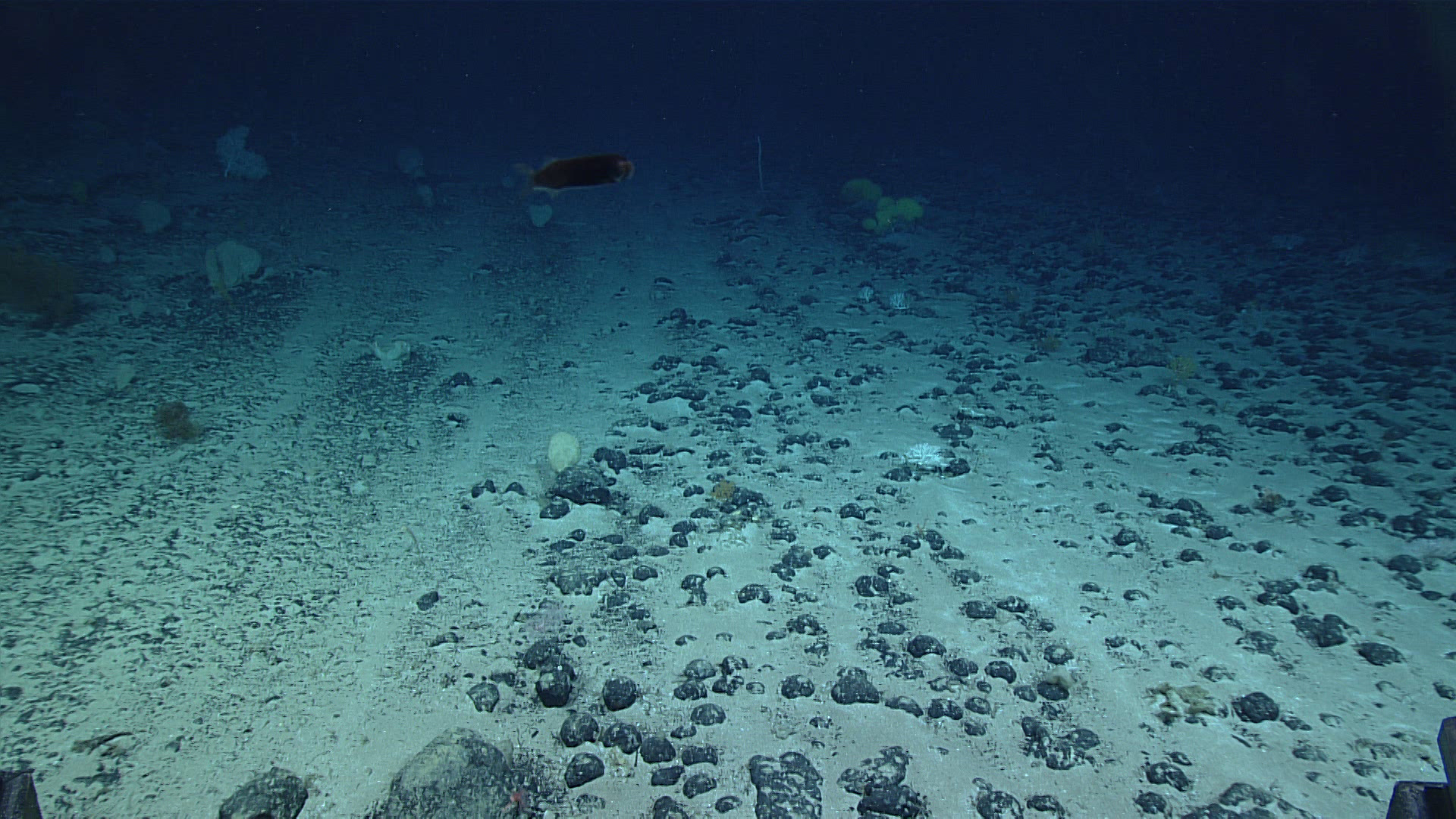
Sixteen hundred meters deep, off the coast of Okinawa, a new kind of mining just cut it’s teeth.

Earlier today, the Japan Times reported that a mining tool has successfully extracted zinc and other metals from a hydrothermal vent on the seafloor. There’s not much to go on yet. We don’t know if these were active or dormant vents (though dormant doesn’t mean biologically dead). We don’t know the specific location of the experimental mine site. And we don’t know the footprint of the ore prospect. But we do know that Japan has identified at least 6 potential mining sites within its exclusive economic zone and that plans are moving forward for a commercial mining venture in mid-2020. I’ve only found one report in English and from the look of things, there’s only a press release circulating right now, but I’m certain we’ll be hearing much more about this in the coming weeks.
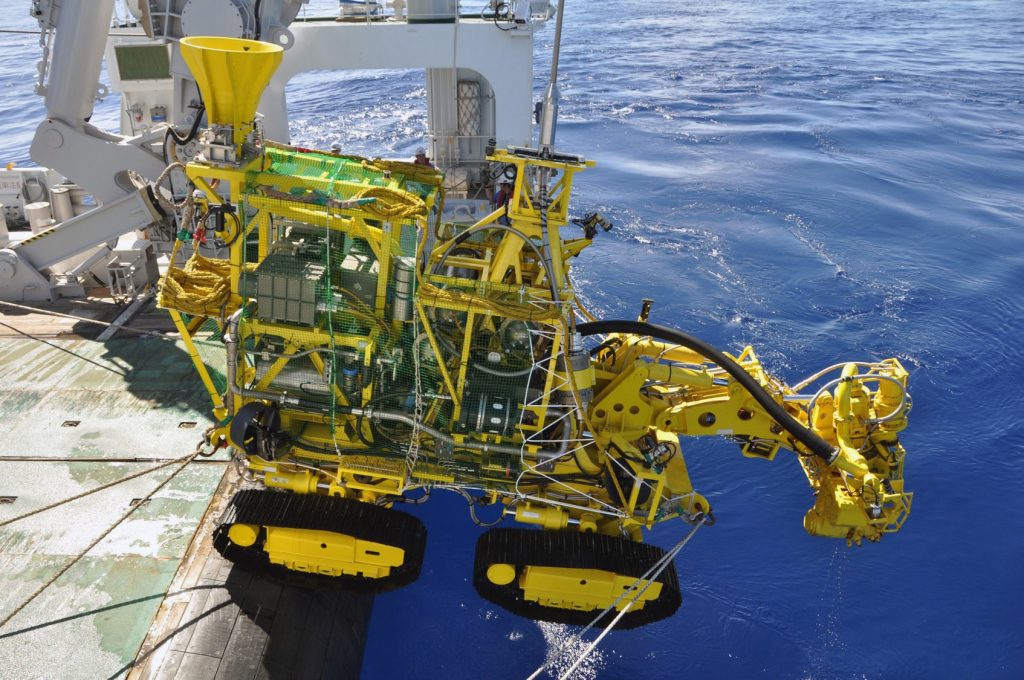
Japan Agency for Natural resources and Energy

We’re still watching to see what Nautilus Minerals does at Solwara 1 and how manganese nodule mining proposals in the Clarion Clipperton fracture zone are progressing but Japan’s mining efforts present a sea change in how to anticipate future deep-sea mining efforts. Private commercial ventures are dependent on the whims of the global commodities market and subject to national and international regulation. National efforts are driven by the need for resource independence. I was aware of Japan’s efforts, but didn’t realize that they were as close as they are to being ready for production.

For the last 10 years, we’ve been saying that deep-sea mining of hydrothermal vents is imminent. Well, it’s here.


Hey Team Ocean! Southern Fried Science is entirely supported by contributions from our readers. Head over to Patreon to help keep our servers running an fund new and novel ocean outreach projects. Even a dollar or two a month will go a long way towards keeping our website online and producing the high-quality marine science and conservation content you love.
Share this:

  • Share on Bluesky (Opens in new window) Bluesky
  • Share on Facebook (Opens in new window) Facebook
  • Share on Reddit (Opens in new window) Reddit
  • Share on Threads (Opens in new window) Threads
  • Share on WhatsApp (Opens in new window) WhatsApp
  • Share on Mastodon (Opens in new window) Mastodon

Related

Tags: deep-sea mining

Post navigation

❮ Previous Post: How to help our island colleagues in the wake of total devastation.
Next Post: Deep-sea mining, octopus cities, a world without ozone, and more! Monday Morning Salvage: October 2, 2017 ❯

You may also like

Featured
The Glomar Explorer: what we can confirm and deny about “vast government conspiracies” from Project Azorian. 
September 27, 2023
Featured
New Deep-sea Mining Bill Introduced in Congress
March 14, 2024
Conservation
Nodules, Lost Mines, and Dark Oxygen: A new documentary on deep-sea mining asks important questions about the future of the industry.
July 24, 2025
Weekly Salvage
Everything about hagfish is the best thing about hagfish, the battle for the deep-sea heats up, parasitic butt snails, and more! Monday Morning Salvage: December 17, 2017
December 18, 2017

One thought on “Japan becomes the first nation to mine a deep-sea hydrothermal vent”

  1. Erika S Bergman says:
    September 28, 2017 at 2:41 am

    We’ve chatted about this before. If 100 square acres is mined, is that the beginning of the end? Or is it acceptable?

Comments are closed.

Popular Posts

Why the new Trump order to shoot wolves is both illegal and a dreadful precedent for endangered speciesWhy the new Trump order to shoot wolves is both illegal and a dreadful precedent for endangered speciesSeptember 5, 2026Ali Gaster
5 things you need to know about the proposed European Union shark finning ban, including how you can helpSeptember 17, 2012David Shiffman
Severely injured great white shark found, are scientists responsible?Severely injured great white shark found, are scientists responsible?March 29, 2011David Shiffman
5 things I learned helping to reassess the global conservation status of every species of tuna and billfish5 things I learned helping to reassess the global conservation status of every species of tuna and billfishSeptember 15, 2026David Shiffman
That's not a blobfish: Deep Sea Social Media is Flooded by AI SlopThat's not a blobfish: Deep Sea Social Media is Flooded by AI SlopDecember 19, 2025Andrew Thaler
13 wrong things about sharks that conservation advocates should stop saying in 2013 (and what they should say instead)December 27, 2012David Shiffman
I can serve on your graduate thesis committee. Here’s what you can expect of me, and what I expect in return.I can serve on your graduate thesis committee. Here’s what you can expect of me, and what I expect in return.October 16, 2025David Shiffman
Getting a sense of porpoiseJanuary 20, 2009Andrew Thaler
U.S. government: shark fin bans "significantly undermine conservation and management of Federal shark fisheries"May 2, 2013David Shiffman
What is a Sand Shark?What is a Sand Shark?November 12, 2017Chuck Bangley
Subscribe to our RSS Feed for updates whenever new articles are published.

We recommend Feedly for RSS management. It's like Google Reader, except it still exists.

Southern Fried Science

  • Home
  • About SFS
  • Authors
  • Support SFS


If you enjoy Southern Fried Science, consider contributing to our Patreon campaign.

Copyright © 2026 Southern Fried Science.

Theme: Oceanly Premium by ScriptsTown