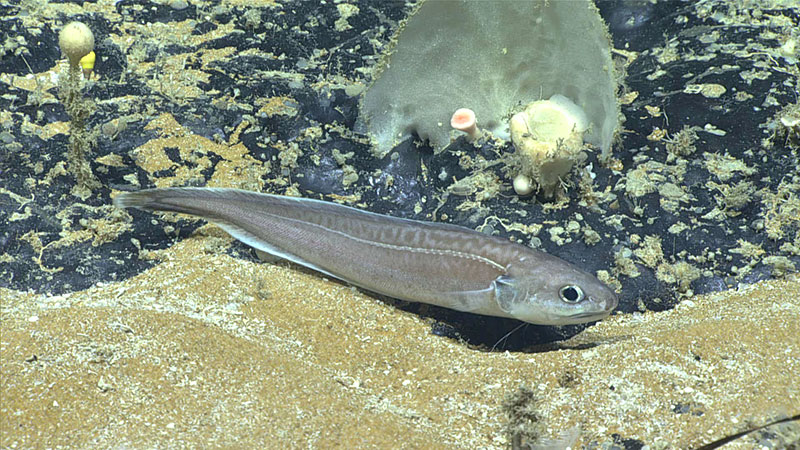
The Blake Plateau, off the coast of South Carolina, Georgia, and Florida, is one of the most remarkable ecosystems in the United States. It is home to the world’s largest cold water coral reef, a coral complex larger than the state of Vermont, which may be the single largest contiguous ecosystem in the continental US. … Read More “How close did the world’s first deep-sea mining come to the dredging the world’s largest cold-water coral reef?” »
Category: Conservation
“Is there any technology the left is excited about?” This question was asked on social media this week by a supporter of AI who was frustrated by criticisms of that technology. It’s led to some interesting discussions on Bluesky, and I wanted to answer it from my perspective as an ocean conservation scientist and policy … Read More “Here are some ocean conservation technologies that I’m excited about” »
The Trump administration argues that opening America’s seafloor to deep sea mining is essential for strengthening our economy and securing our energy future. But from a Pacific Islander perspective, this rush to extract metals from the ocean – especially near the Mariana Trench and American Samoa – ignores hard-earned lessons and risks repeating past mistakes. … Read More “Walking Backwards Into the Future: Applying Indigenous Knowledge to Deep Sea Mining” »
Smart Buoys, Deep-sea Mining, Marine Careers, and Dungeons & Dragons: 2025 in Ocean Science Podcasts
2025. Holy Mola was that a long year. I made a concerted effort to appear on more podcasts last year across more topics than I usually do. Excepting the weekly ocean science podcast I’m a part of, I hit a little more than 1 podcast a month throughout the year. If you need an expert … Read More “Smart Buoys, Deep-sea Mining, Marine Careers, and Dungeons & Dragons: 2025 in Ocean Science Podcasts” »
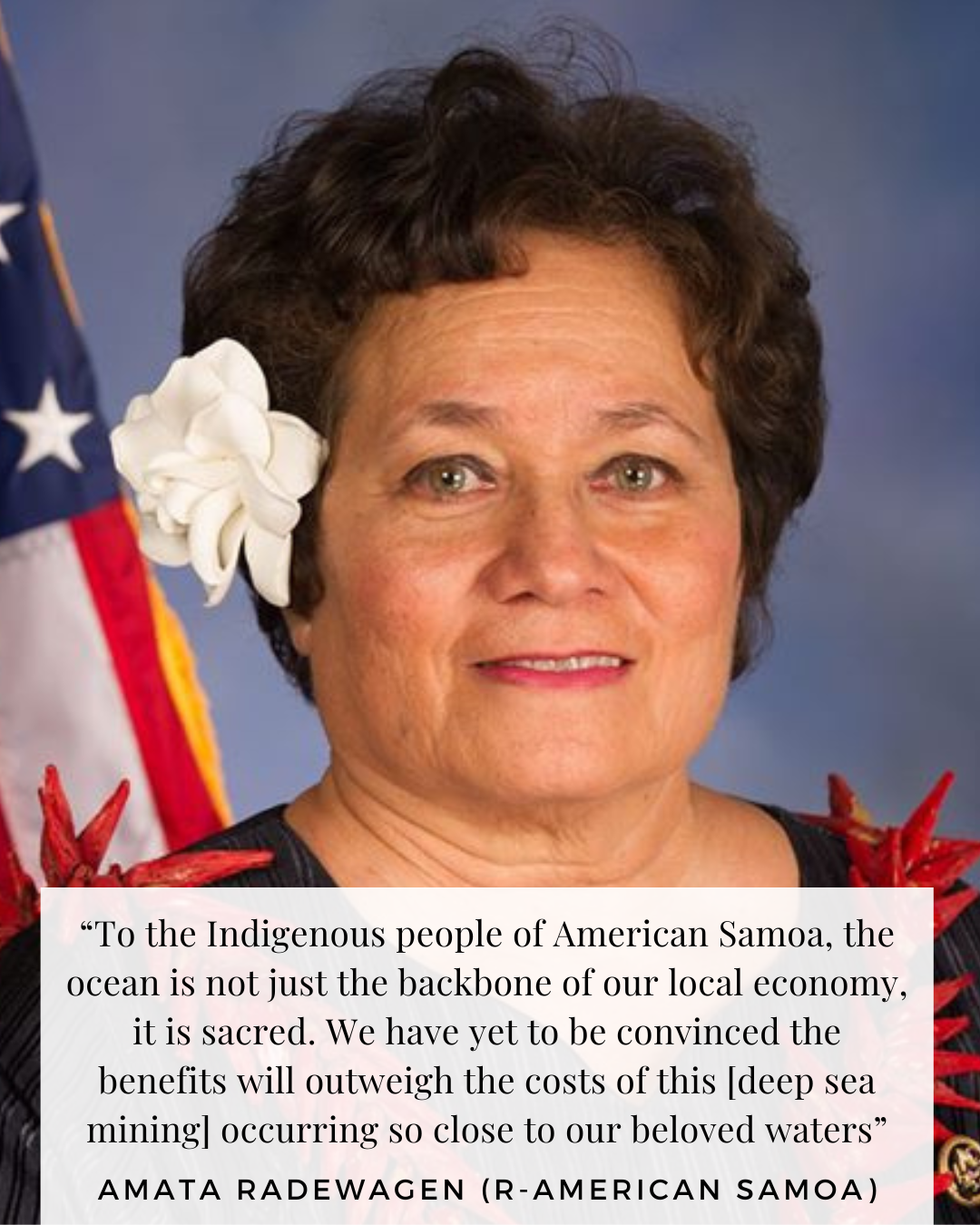
On January 22, 2026 the House Natural Resources Subcommittee on Energy and Mineral Resources held an oversight hearing titled “Deep Dive: Examining the Regulatory and Statutory Barriers to Deep Sea Mining.” The hearing revealed significant bipartisan resistance to deep-sea mining in the US Pacific territories, including a unified position from Republican members Radewagen of American … Read More “Bipartisan Concern Expressed Over Deep Sea Mining at Congressional Hearing” »
Some, as they say, personal news: I’m getting married! I’d love to use this happy occassion to spread good news around. To that end, if you’re so inclined to make a donation “in honor of David and Eileen getting married,” here is a list of some great charities I love, and some instructions on how … Read More “I’m getting married! Want to honor us? Here are some great charities you can donate to.” »
The Important Shark and Ray Areas project is coming to North America! Colleagues, if you think your data suggests that you’ve identified an Important Shark and Ray Area in your study site, here’s how to submit your data and participate. So what exactly is an Important Shark and Ray Area? In short, an Important Shark … Read More “Here’s how to help identify Important Shark and Ray Areas in North America!” »
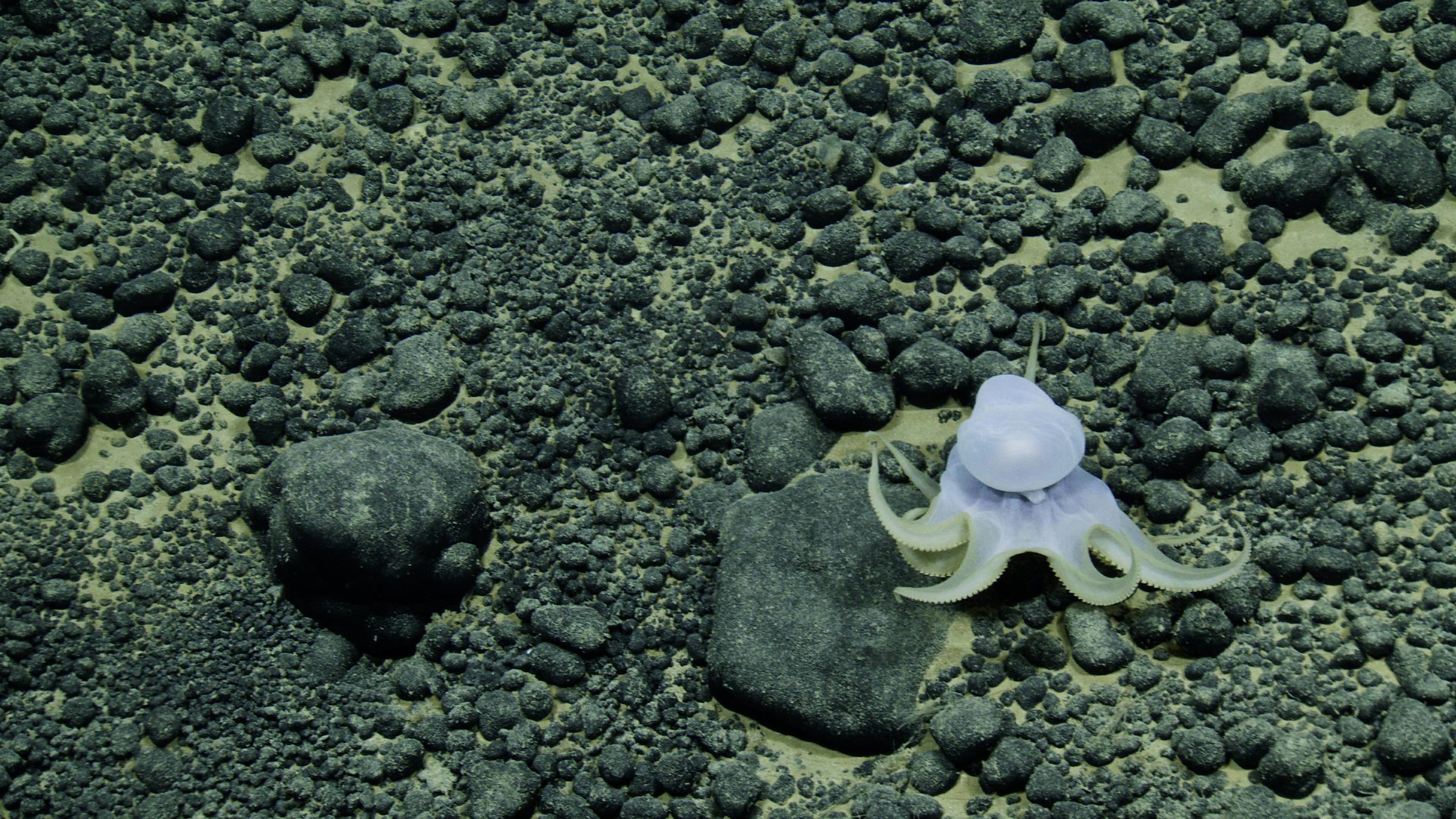
In the last month, two major players in the development of the deep-sea mining industry have put their plans on pause, calling for more research and less urgency in the race to the bottom. In November, the Cook Islands opted to extend their current exploration programs for an another five years, giving contractors and scientists … Read More “Norway and Cook Islands put their deep-sea mining plans on pause.” »
Long time friend of the blog, Dr. Jake Levenson, delivers a talk twenty years in the making, about how space technology and open data standards can help protect the ocean.
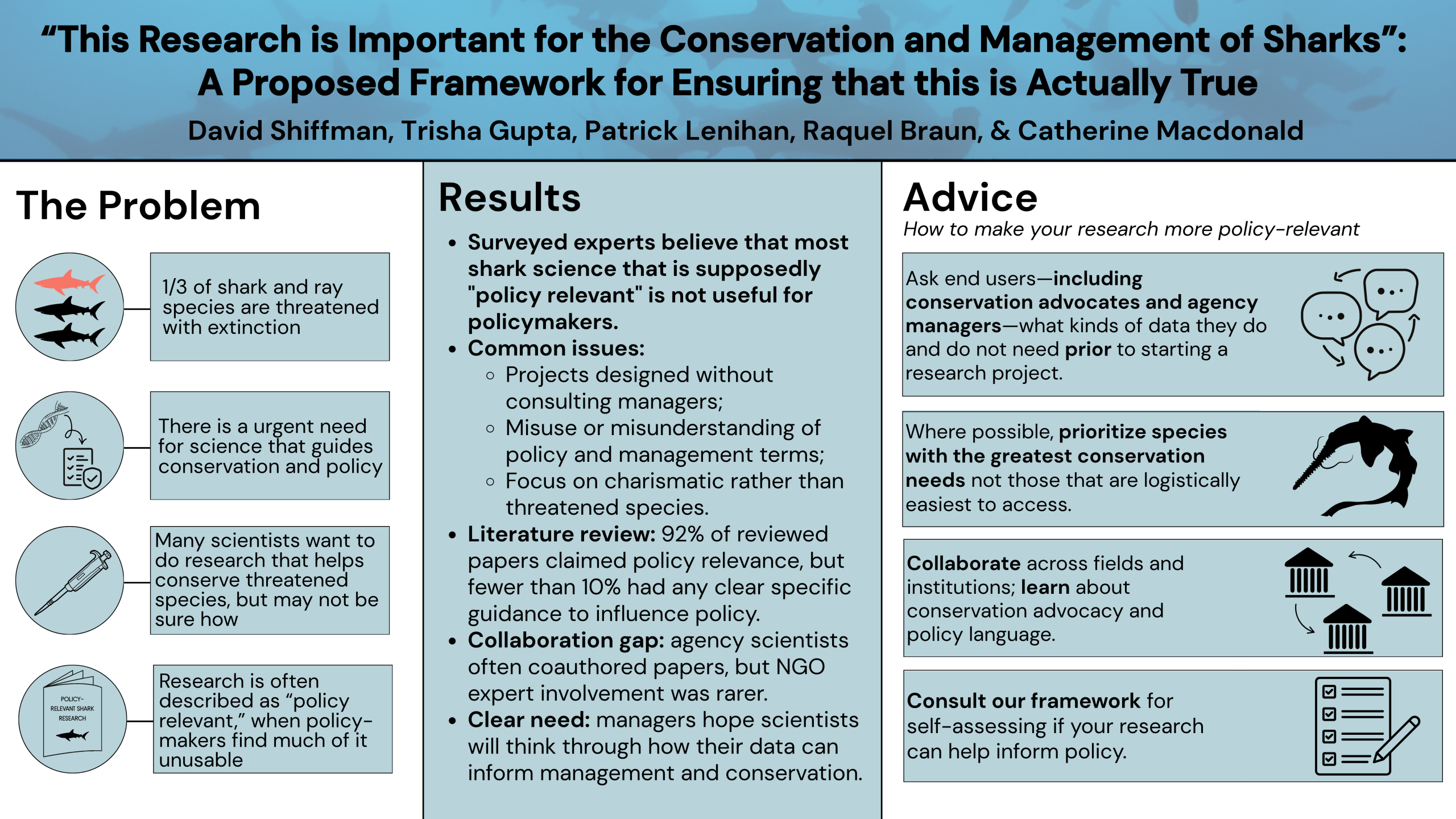
Sharks are some of the most threatened animals on Earth, and accordingly many scientists who study sharks want their research to be useful for conservation. However, most scientific training does not include a detailed explanation of the policymaking process, resulting in lots of shark research being positioned as relevant to conservation and policy when it … Read More “Shark scientists want their research to help save threatened species, but don’t know how. Our new paper can help.” »