Skip to content

Southern Fried Science

Over 15 years of ocean science and conservation online

  • Home
  • About SFS
  • Authors
  • Support SFS

Tag: fish farms

Coral reefs lose their champion, which laptop is really the greenest, new sea slugs, and an octopuses garden in the sea. Monday Morning Salvage: November 5, 2018.

Posted on November 5, 2018November 4, 2018 By Andrew Thaler
Weekly Salvage

Foghorn (A Call to Action!)

  • Help the Victims of Typhoon Yutu.
  • Ruth Gates dedicated her life to saving the world’s reefs and training the next generation of reef scientists. The Fight for Corals Loses Its Great Champion.

Flotsam (what we’re obsessed with right now)
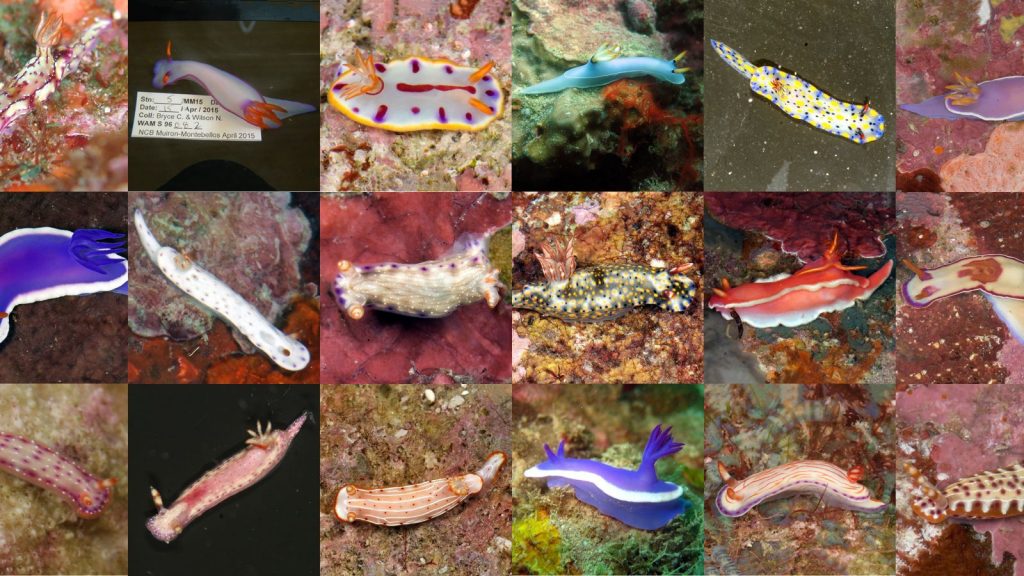
  • Scientists Have Just Named 17 New Sea Slug Species, and They’re All Fabulous.
The newest members of the nudibranch family. (H. iba comes in 2 color morphs.) Photo: California Academy of Sciences
The newest members of the nudibranch family. (H. iba comes in 2 color morphs.)
Photo: California Academy of Sciences
  • Palau Becomes First Nation to Ban Sunscreens That Harm Corals.
  • The tiny sponge that could help preserve our deep oceans.
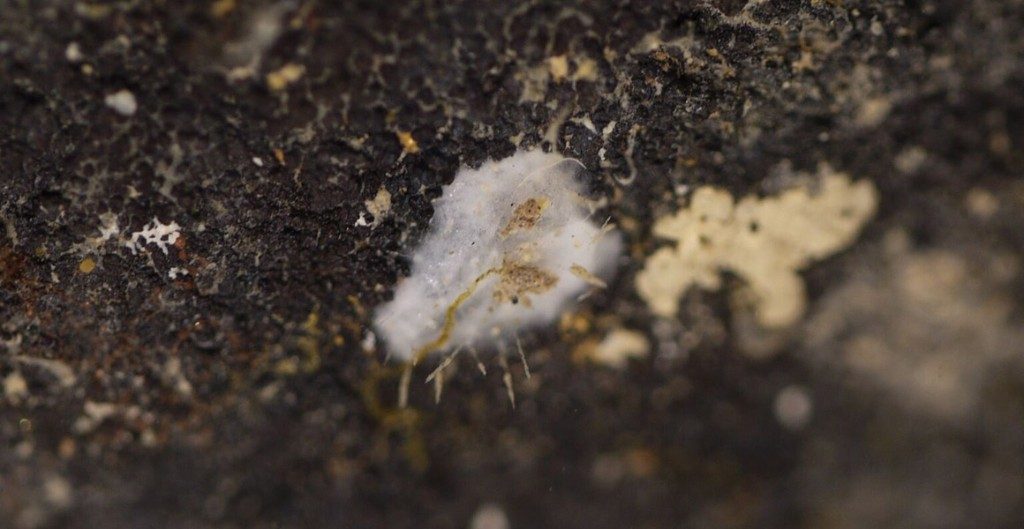
A close-up photo of the sponge that is being studied. NHM.

Read More “Coral reefs lose their champion, which laptop is really the greenest, new sea slugs, and an octopuses garden in the sea. Monday Morning Salvage: November 5, 2018.” »

A new Gulf oil spill, opposition to deep-sea mining, DIY drop cameras, and more! Massive Monday Morning Salvage: October 30, 2017

Posted on October 30, 2017October 29, 2017 By Andrew Thaler
Weekly Salvage

I’ve been away for 2 weeks, so it’s a super-massive edition of the Monday Morning Salvage!

Fog Horn (A Call to Action)

  • There’s still an unimaginable amount of work to do in Dominica and across the Caribbean. Support the Rebuild Dominica Hurricane Relief fund or any of the other funds from our list: How to help our island colleagues in the wake of total devastation.

Flotsam (what we’re obsessed with right now)

  • This is such a cool story: A Trail of Rocks Traces Historical Steamship Routes. We can track old steamship routes from rocks scraped out of the furnaces and tossed overboard.
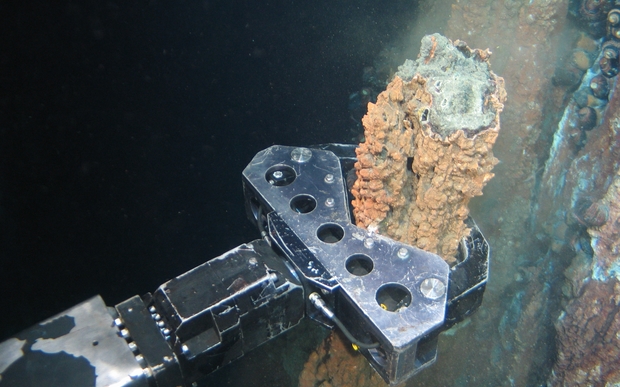
  • Former Papua New Guinea Attorney General attacks deep sea mining project. They always pick pictures for these articles that don’t show how much life is right around the vents.
Sampling SMS under the sea Photo: Nautilus Minerals
  • Whose ecological footprint is bigger: Medics, economists, or environmentalists? Spoilers: conservationists still have an impact, but they sure ain’t number 1.

Jetsam (what we’re enjoying from around the web)

  • There’s a fresh oil spill in the Gulf of Mexico, and it’s pretty darn huge:
    • Coast Guard Responding to 300,000 Gallon Crude Oil Spill in Gulf of Mexico.
    • Gulf of Mexico Oil Spill May Be Biggest Since 2010.
    • New Estimate Doubles the Size of Last Week’s Oil Spill in the Gulf of Mexico.
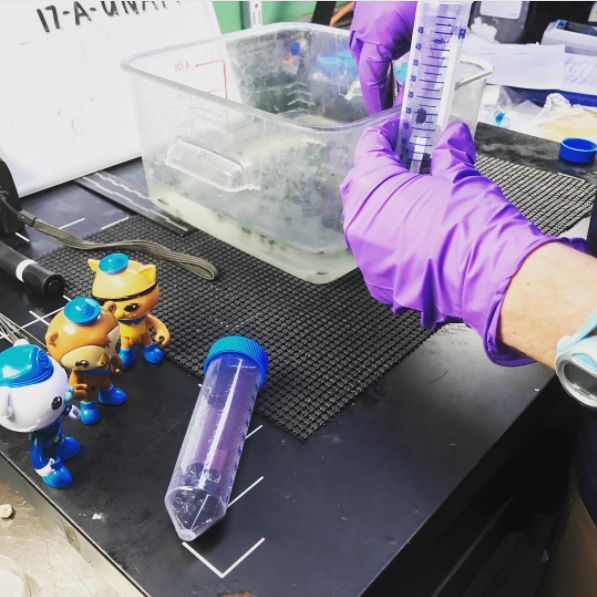
  • Some fun from Deep Sea News: When real-life marine biologist and mom goes to sea, she takes the octonauts with her.

  • This is fine: Report on U.S. Marine Sanctuary Oil Drilling Sent to White House, Not Released to Public. This is totally fine: Trump Administration Proposes Largest Oil and Gas Lease Sale in U.S. History.
  • Alaska’s Oyster Farmers Are Filling an Acidification-Driven Void. The state’s oyster farming industry is gaining ground as growers elsewhere struggle. From Hakai Magazine, which is great.
  • Nature is one of the most under-appreciated tools for reigning in carbon. From Anthropocene, which is fast becoming my favorite environmental print magazine. Sorry, Orion.
  • Thousands of penguin chicks starve in Antarctica.

Hey, Andrew, how about you give us at least *some* good news today? Ok, fine.

Read More “A new Gulf oil spill, opposition to deep-sea mining, DIY drop cameras, and more! Massive Monday Morning Salvage: October 30, 2017” »

Salmon, aquaculture, and the spread of Infectious Salmon Anemia

Posted on October 27, 2011October 28, 2011 By Andrew Thaler 3 Comments on Salmon, aquaculture, and the spread of Infectious Salmon Anemia
Science

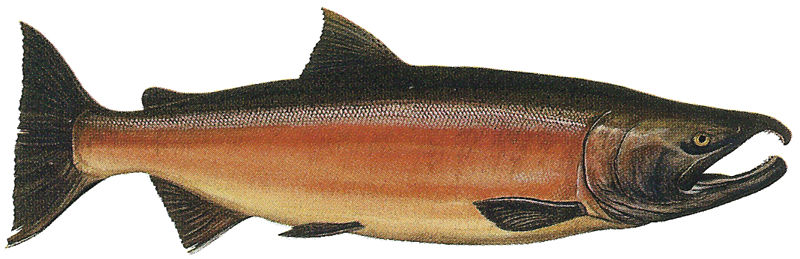
Coho salmon - public domain image

In 2008, a deadly virus decimated Chilean aquaculture facilities, causing $2 billion in damage and crippling an industry. This week, preliminary reports suggest that this same disease may have infected wild salmon in the north Pacific. The internet has been blowing up with news reports of Infectious Salmon Anemia (ISA) detected in wild salmon populations. Reports range from balanced – Deadly Fish Farm Virus Found in Wild Pacific Salmon – to hyperbolic – B.C.’s salmon feedlots need to be closed – but all hinge on the fact that ISA, a lethal salmon-infecting virus previously resigned to aquaculture facilities, has been detected in wild salmon populations in British Columbia. This has the potential to be a very big deal. ISA is 90% lethal and mortality occurs in 10 days or less. The virus is waterborn, but can also be transmitted through handling with contaminated equipment. There is no treatment once a fish is infected.

Before I go on, a couple points need to be clarified:

  1. ISA does not infect humans, though as it threatens a fishery and a major agricultural industry, it most certainly affects humans.
  2. ISA was isolated from 2 wild sockeye salmon. It has not been confirmed from independent test yet, although one statement indicates that the current infection is from a non-infectious strain of ISA (which raises some interesting questions about who currently knows what about this outbreak).

Read More “Salmon, aquaculture, and the spread of Infectious Salmon Anemia” »

Popular Posts

Shark scientists want their research to help save threatened species, but don’t know how. Our new paper can help.Shark scientists want their research to help save threatened species, but don’t know how. Our new paper can help.December 1, 2025David Shiffman
Norway and Cook Islands put their deep-sea mining plans on pause.Norway and Cook Islands put their deep-sea mining plans on pause.December 3, 2025Andrew Thaler
What Ocean Ramsey does is not shark science or conservation: some brief thoughts on "the Shark Whisperer" documentaryWhat Ocean Ramsey does is not shark science or conservation: some brief thoughts on "the Shark Whisperer" documentaryJuly 2, 2025David Shiffman
The Trouble with Teacup PigsThe Trouble with Teacup PigsOctober 14, 2012Andrew Thaler
What we know we don't know: impacts of deep-sea mining on whales, dolphins, sharks, turtles, and other migratory species.What we know we don't know: impacts of deep-sea mining on whales, dolphins, sharks, turtles, and other migratory species.November 20, 2025Andrew Thaler
2025: My year in writing, public speaking, and media interviews2025: My year in writing, public speaking, and media interviewsDecember 3, 2025David Shiffman
Urea and Shark OsmoregulationUrea and Shark OsmoregulationNovember 15, 2010David Shiffman
Shark of Darkness: Wrath of Submarine is a fake documentaryShark of Darkness: Wrath of Submarine is a fake documentaryAugust 10, 2014Michelle Jewell
How tiny satellites are tracking marine wildlifeDecember 1, 2025Andrew Thaler
Build a dirt cheap, tough-as-nails field computer in a Pelican caseBuild a dirt cheap, tough-as-nails field computer in a Pelican caseJuly 21, 2015Andrew Thaler
Subscribe to our RSS Feed for updates whenever new articles are published.

We recommend Feedly for RSS management. It's like Google Reader, except it still exists.

Southern Fried Science

  • Home
  • About SFS
  • Authors
  • Support SFS


If you enjoy Southern Fried Science, consider contributing to our Patreon campaign.

Copyright © 2025 Southern Fried Science.

Theme: Oceanly Premium by ScriptsTown