Skip to content

Southern Fried Science

Over 15 years of ocean science and conservation online

  • Home
  • About SFS
  • Authors
  • Support SFS

Tag: whale sharks

Doodles from the deep sea, a mining company founders, finding lost warships, rogue scientists, and more! Monday Morning Salvage: December 24, 2018

Posted on December 24, 2018December 24, 2018 By Andrew Thaler
Weekly Salvage

Flotsam (what we’re obsessed with right now)

  • ‘We Are Not Prepared to Die’: Island Nations Push Ambitious Plan at UN Climate Talks.
  • This is beautiful: What the ocean floor can tell us about climate change.
Illustrations by Jackie Roche.
  • Plastic pollution discovered at deepest point of ocean.
  • The Most Terrifying Climate Disasters of 2018.

Read More “Doodles from the deep sea, a mining company founders, finding lost warships, rogue scientists, and more! Monday Morning Salvage: December 24, 2018” »

Gregarious gars, surprising crocs, mustachioed monkeys, ocean wilderness, and more! Monday Morning Salvage: July 30, 2018

Posted on July 30, 2018July 29, 2018 By Andrew Thaler
Weekly Salvage

Logo for Monday Morning Salvage.

Foghorn (A Call to Action!)

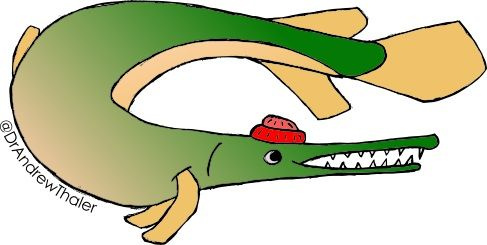
  • Completely shameless Patreon Plug! Today marks the 1-year anniversary of our Jaunty Ocean Critter Stickers campaign. We’re going to continue making new red-capped sticker until the end of the year, then the theme will change! Sign up now if you want to support Southern Fried Science and get a very Gregarious Gar!

A gar wearing a red cap.

Flotsam (what we’re obsessed with right now)
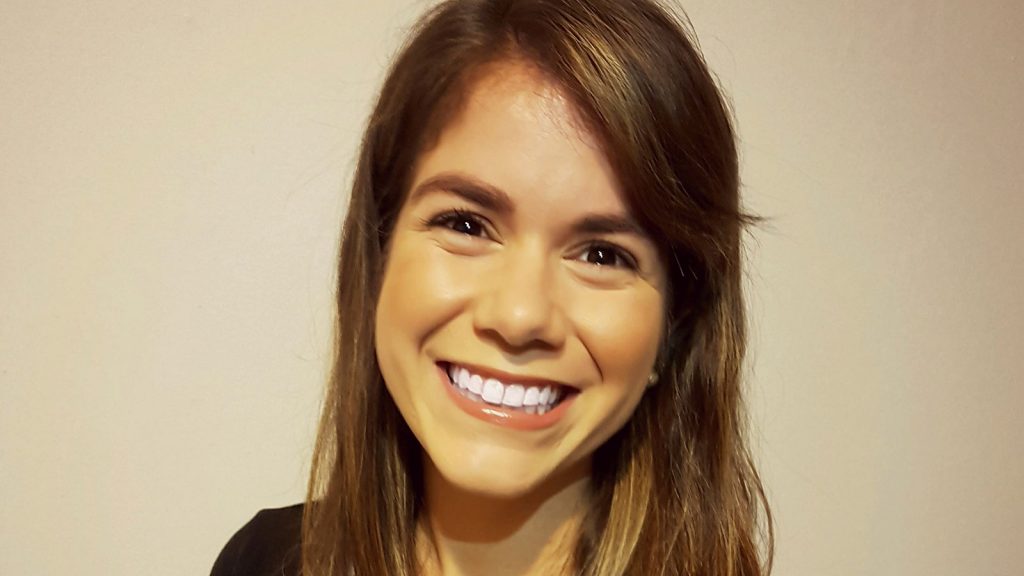
  • Did you see marine biologist Melissa Cristina Márquez on Shark Week this week? Read more about her experience here: Marine Biologist Melissa Cristina Márquez Was Bitten and Dragged by a Crocodile…and Lived to Tell Her Story. And, of course, follow her on Twitter.

 marine biologist Melissa Cristina Márquez
Marine biologist Melissa Cristina Márquez

The Gam (conversations from the ocean-podcasting world)

  • I swung by the Speak Up for the Blue Podcast to celebrate their 500th episode with a reflection on 10 years of online ocean outreach.

Read More “Gregarious gars, surprising crocs, mustachioed monkeys, ocean wilderness, and more! Monday Morning Salvage: July 30, 2018” »

Gently jelly-nabbing bots, deep-coral under threat, albino stingrays, #JacquesWeek, and more! Monday Morning Salvage: July 23, 2018

Posted on July 23, 2018July 22, 2018 By Andrew Thaler
Weekly Salvage

Foghorn (A Call to Action!)

  • All Hands on Deck! You’re got one week left to apply to join the MIT Media Lab and NOAA’s Office of Ocean Exploration and Research for this year’s National Ocean Exploration Forum as an Ocean Discovery Fellow!
  • Jacques Week 2018 is here!

Flotsam (what we’re obsessed with right now)
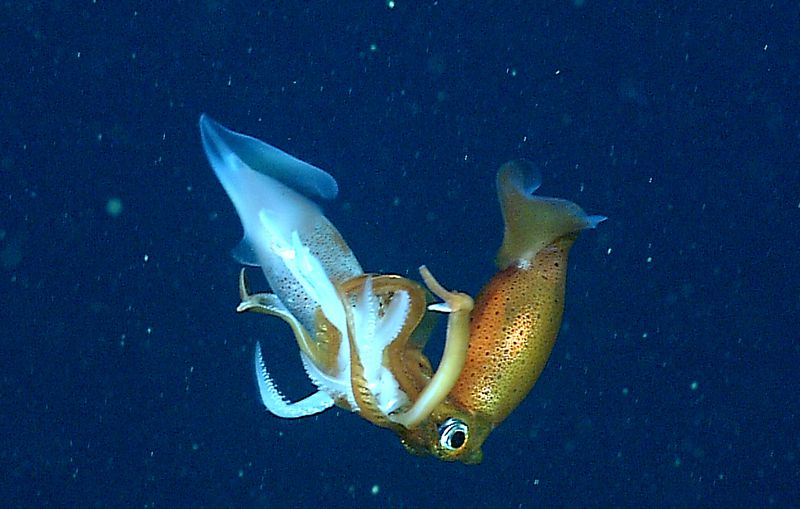
  • What just happened? Everyone is going wild for the deep-sea fish attack video.
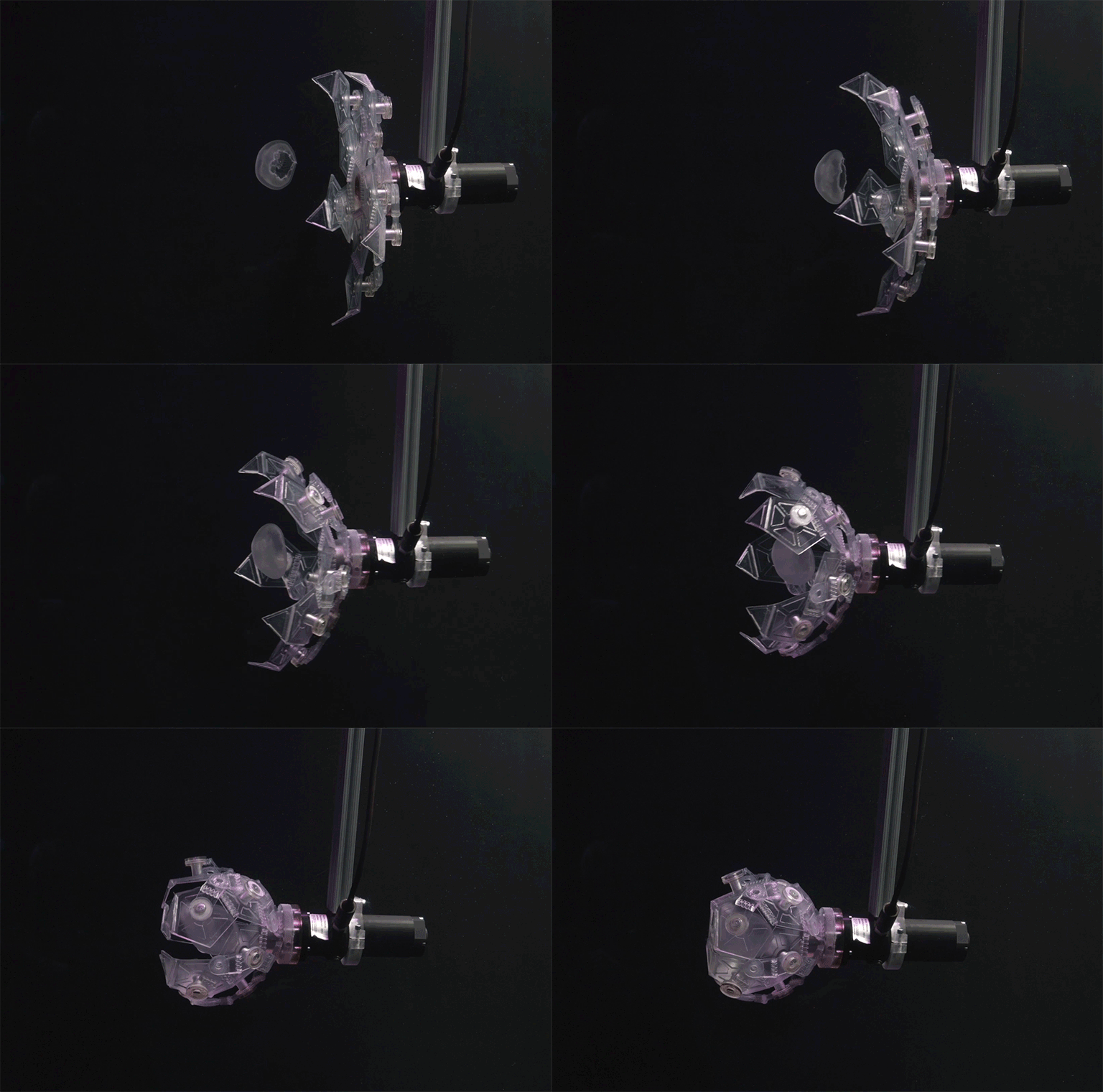
  • A gentle jellyfish-grabbing claw for collecting squishies without squishing them!

The Levee (A featured project that emerged from Oceandotcomm)

  • Stitching Hope for the Coast – communicating coastal optimism for Louisiana. Deadline for submissions has been extended to October!

Read More “Gently jelly-nabbing bots, deep-coral under threat, albino stingrays, #JacquesWeek, and more! Monday Morning Salvage: July 23, 2018” »

Everything about hagfish is the best thing about hagfish, the battle for the deep-sea heats up, parasitic butt snails, and more! Monday Morning Salvage: December 17, 2017

Posted on December 18, 2017December 18, 2017 By Andrew Thaler
Weekly Salvage

Fog Horn (A Call to Action)

  • The CDC was given a list of seven banned words for their upcoming budgets. Among the censored words are “science-based” and “evidence-based”, which, of course, are concepts central to the CDC’s mission. I have some thoughts about why this list has appeared at this time. If you think the CDC shouldn’t be censored in their mission to safeguard public health, call your representatives.

Flotsam (what we’re obsessed with right now)
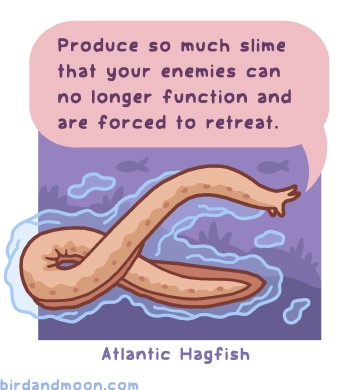
  • Bird and Moon author Rosemary Mosco is this week’s Hagfish Lover of note: Feeling Sick and Snotty?

  • Underwater robots reveal the all-you-can-eat-buffet of the deep sea.

Read More “Everything about hagfish is the best thing about hagfish, the battle for the deep-sea heats up, parasitic butt snails, and more! Monday Morning Salvage: December 17, 2017” »

13 amazing things scientists discovered about sharks in 2013

Posted on December 28, 2013December 30, 2013 By David Shiffman 5 Comments on 13 amazing things scientists discovered about sharks in 2013
Conservation, Science

Other than a certain week in August whose name we shall not speak here, 2013 was a great year for both shark science and the communication of that shark science. There were many important and fascinating discoveries, and many of the world’s top media outlets covered them. Presented here is a list of 13 amazing scientific discoveries made in 2013, in no particular ranking order. To make the list, research must have been published in a peer-reviewed scientific journal in 2013, and someone else other than me must have also thought it was awesome (i.e. it received mainstream media or blog coverage). In the interest of objectivity, I did not include any papers that I or my lab were directly involved with. Whenever possible, I’ve linked to an accessible version of the paper.


1) A two-headed bull shark!
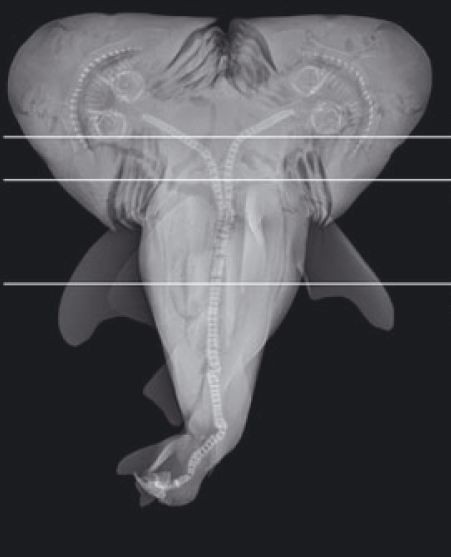
From Wagner et al. 2013


Citation: Wagner, CM, Rice, PH, and Pease, AP 2013. First record of dicephalia in a bull shark Carcharhinus leucas foetus from the Gulf of Mexico. Journal of Fish Biology 82: 1419-1422.

Brief description: Researchers presented the first case of a bull shark embryo with 2 heads (the mother was caught by a Florida fishermen). In response to the most common question I received about this study, no, this animal would not have survived to adulthood.  While this is a cool discovery, the broader significance is somewhat minimal. As I told science writer Douglas Main in an interview about a similar study, “There have been a number of reports of deformed shark and ray embryos in recent years— two heads, one eye, etc. There’s no evidence to suggest these defects represent a new phenomenon or that they are harmful to shark populations as a whole.”

Media coverage highlights: A figure from this study was named one of the coolest science photos of the year by the International Science Times. It was also covered by National Geographic, the Guardian, and TIME magazine.

Read More “13 amazing things scientists discovered about sharks in 2013” »

Bad news for whale sharks: The world’s largest fish are being killed for bait and billboards

Posted on April 5, 2012April 5, 2012 By David Shiffman 17 Comments on Bad news for whale sharks: The world’s largest fish are being killed for bait and billboards
Science

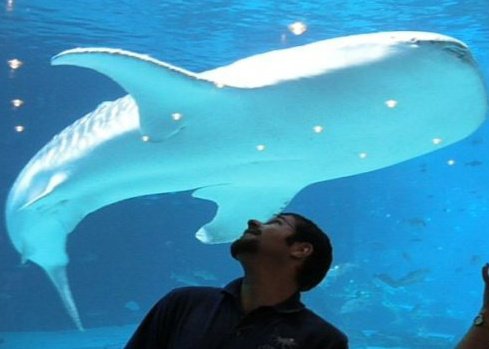
WhySharksMatter and a whale shark at the Georgia Aquarium

The world’s largest shark eats only plankton, couldn’t bite a human if it wanted to, and is one of the few sharks that could be reasonably described as beautiful. Globally, SCUBA divers pay an estimated $50 million each year for the chance to swim with these incredible fish. Their long migrations through international waters makes international cooperation necessary to protect them, which is particularly important because the 30 years it can take for these animals to reach reproductive maturity means that populations will take a long time to recover if they are overexploited. They’re listed by the IUCN Shark Specialist Group as Vulnerable globally. Between their charismatic nature, their inability to harm humans, and their value to ecotourism, it should be easy to convince governments to protect whale sharks *, making two recent reports all the more shocking.

Read More “Bad news for whale sharks: The world’s largest fish are being killed for bait and billboards” »

Popular Posts

Shark scientists want their research to help save threatened species, but don’t know how. Our new paper can help.Shark scientists want their research to help save threatened species, but don’t know how. Our new paper can help.December 1, 2025David Shiffman
Norway and Cook Islands put their deep-sea mining plans on pause.Norway and Cook Islands put their deep-sea mining plans on pause.December 3, 2025Andrew Thaler
What Ocean Ramsey does is not shark science or conservation: some brief thoughts on "the Shark Whisperer" documentaryWhat Ocean Ramsey does is not shark science or conservation: some brief thoughts on "the Shark Whisperer" documentaryJuly 2, 2025David Shiffman
What we know we don't know: impacts of deep-sea mining on whales, dolphins, sharks, turtles, and other migratory species.What we know we don't know: impacts of deep-sea mining on whales, dolphins, sharks, turtles, and other migratory species.November 20, 2025Andrew Thaler
2025: My year in writing, public speaking, and media interviews2025: My year in writing, public speaking, and media interviewsDecember 3, 2025David Shiffman
The Trouble with Teacup PigsThe Trouble with Teacup PigsOctober 14, 2012Andrew Thaler
Urea and Shark OsmoregulationUrea and Shark OsmoregulationNovember 15, 2010David Shiffman
How tiny satellites are tracking marine wildlifeDecember 1, 2025Andrew Thaler
Shark of Darkness: Wrath of Submarine is a fake documentaryShark of Darkness: Wrath of Submarine is a fake documentaryAugust 10, 2014Michelle Jewell
Quick Tips for Graduate Student Life - Write a Book ReviewJanuary 23, 2014Andrew Thaler
Subscribe to our RSS Feed for updates whenever new articles are published.

We recommend Feedly for RSS management. It's like Google Reader, except it still exists.

Southern Fried Science

  • Home
  • About SFS
  • Authors
  • Support SFS


If you enjoy Southern Fried Science, consider contributing to our Patreon campaign.

Copyright © 2025 Southern Fried Science.

Theme: Oceanly Premium by ScriptsTown