Skip to content

Southern Fried Science

Over 15 years of ocean science and conservation online

  • Home
  • About SFS
  • Authors
  • Support SFS

Protecting the ocean means lots of rigorous, mundane science.

Posted on August 21, 2017 By Andrew Thaler
Science
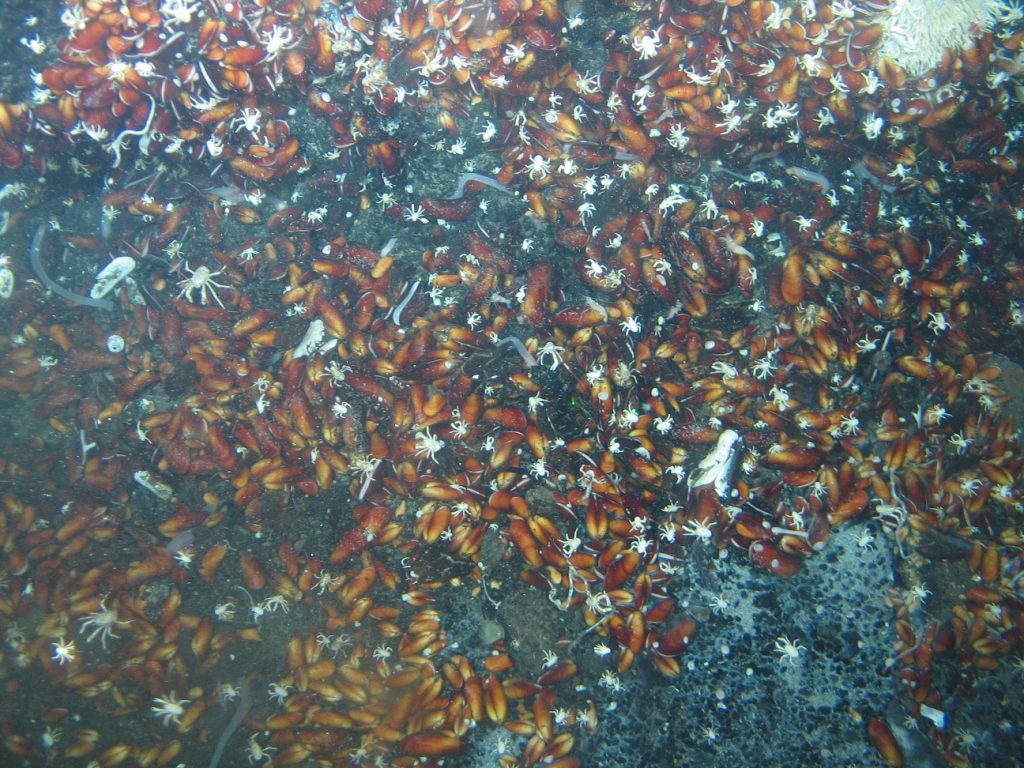
Bathymodiolus manusensis. Photo courtesy Nautilus Minerals.

I have a new paper out today: Population structure of Bathymodiolus manusensis, a deep-sea hydrothermal vent-dependent mussel from Manus Basin, Papua New Guinea.

We sampled two sites in Papua New Guinea where these deep-sea mussels aggregate and looked at their genes to determine if there was any population structure across this relatively small spatial scale (~40 km). We found one homogeneous population. We also looked at representatives from other ocean basins and determined that mussel populations within Manus Basin are younger than those in neighboring basins. This is a pattern we’ve observed in several other studies as well.

This is not, by any stretch, a ground-breaking, paradigm-shifting study. But studies like this, baseline, foundation-building studies, are absolutely essential for conservation biology.

Two-and-a-half kilometers from one of our sites lies Solwara 1. In case you haven’t been paying attention to this website, Solwara 1 is slated to become the first deep-sea hydrothermal vent mine in history, and the success or failure of Solwara 1 will herald a new era in deep-sea exploitation.
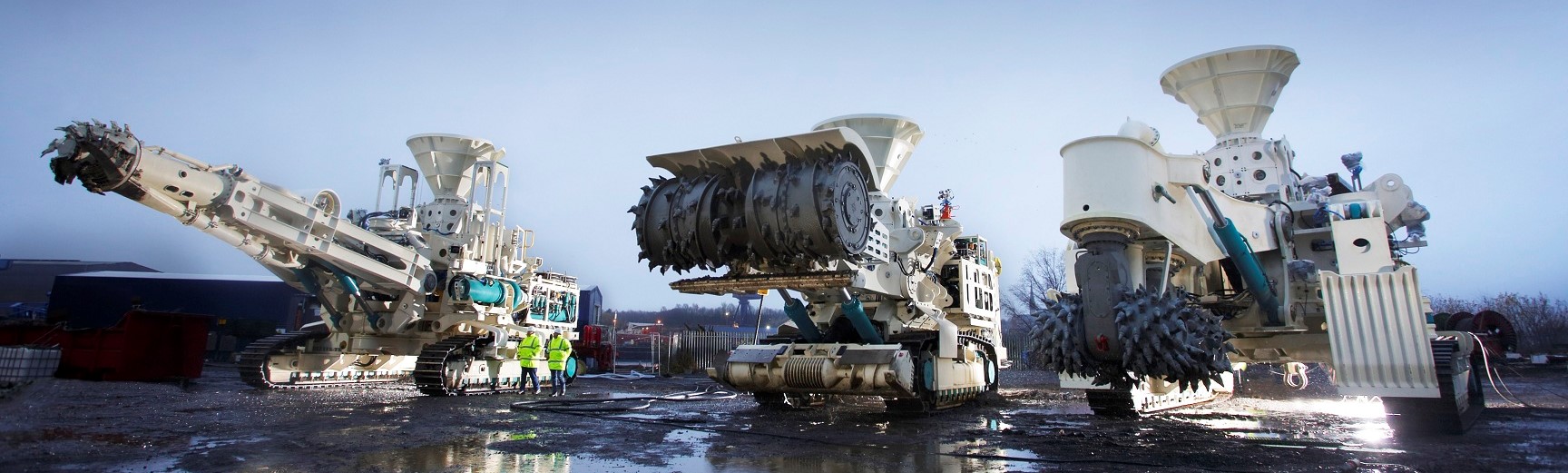
Nautilus Minerals Seafloor Production Tools.

Over almost a decade we’ve been slowly painting a picture of ecology, biodiversity, distribution, and resilience at Solwara 1 and surrounding hydrothermal vents sites. What we’ve learned is what we’ve always suspected: though there are broad, general patterns in the deep sea, every hydrothermal vent system is unique; our understanding of these iconic ecosystems remains limited; and, while we can begin to make predictions about how large scale mining will impact hydrothermal vents communities, there are still some substantial knowledge gaps in our understanding of seafloor processes. This new paper is another brush stroke in that still-wet painting.

For a broader look at our work in Papua New Guinea, see the rest of our papers:

  • The spatial scale of genetic subdivision in populations of Ifremeria nautilei, a hydrothermal-vent gastropod from the southwest Pacific
  • Comparative Population Structure of Two Deep-Sea Hydrothermal-Vent-Associated Decapods (Chorocaris sp. 2 and Munidopsis lauensis) from Southwestern Pacific Back-Arc Basins
  • Genetic diversity of hydrothermal-vent barnacles in Manus Basin
  • Population structure of Bathymodiolus manusensis, a deep-sea hydrothermal vent-dependent mussel from Manus Basin, Papua New Guinea

And see some of our broader papers discussing deep-sea mining in Papua New Guinea and beyond:

  • VentBase: Developing a consensus among stakeholders in the deep-sea regarding environmental impact assessment for deep-sea mining–A workshop report
  • Application of Biological Studies to Governance and Management of the Deep Sea
  • Impacts of anthropogenic disturbances at deep-sea hydrothermal vent ecosystems: A review 
  • Biodiversity loss from deep-sea mining
Share this:

  • Share on Bluesky (Opens in new window) Bluesky
  • Share on Facebook (Opens in new window) Facebook
  • Share on Reddit (Opens in new window) Reddit
  • Share on Threads (Opens in new window) Threads
  • Share on WhatsApp (Opens in new window) WhatsApp
  • Share on Mastodon (Opens in new window) Mastodon

Related

Tags: Bathymodiolus deep-sea mining Nautilus Minerals Solwara 1

Post navigation

❮ Previous Post: Unflappable Mola Molas, a Cousteau biopic, sharkcats, and more! Monday Morning Salvage: August 21, 2017
Next Post: Shrinking fish, shipstrikes, and tracking Putin by wildlife. Thursday Afternoon Dredging: August 24th, 2017 ❯

You may also like

Featured
What I’m watching for at this month’s ISA meeting: The Vibes
March 22, 2024
Weekly Salvage
Deep-sea mining goes to court, a year in climate reporting, oyster-adorned singers, and more! The Monday Morning Salvage: December 11, 2017.
December 11, 2017
Science
Two Years of Deep-sea Mining in Review: For Deep-sea mining, battery technology is the ultimate x-factor
March 20, 2022
Weekly Salvage
Bone-eating zombie worms, octopus overlords, old wooden ships and new woes for deep-sea mining. It’s the Monday Morning Salvage! January 1, 2018.
January 1, 2018

Popular Posts

What Ocean Ramsey does is not shark science or conservation: some brief thoughts on "the Shark Whisperer" documentaryWhat Ocean Ramsey does is not shark science or conservation: some brief thoughts on "the Shark Whisperer" documentaryJuly 2, 2025David Shiffman
What is a Sand Shark?What is a Sand Shark?November 12, 2017Chuck Bangley
Shark of Darkness: Wrath of Submarine is a fake documentaryShark of Darkness: Wrath of Submarine is a fake documentaryAugust 10, 2014Michelle Jewell
My Journey Into Researching Historical Erasure on Public LandsMy Journey Into Researching Historical Erasure on Public LandsJuly 31, 2026Angelo Villagomez
Marine Biology Career AdviceMarine Biology Career AdviceMay 30, 2025David Shiffman
Why would a serious scientist agree to participate in a nonsense Shark Week show?Why would a serious scientist agree to participate in a nonsense Shark Week show?July 15, 2025David Shiffman
Please Help This Little Dumbo Octopus Travel Across AmericaPlease Help This Little Dumbo Octopus Travel Across AmericaAugust 3, 2026Angelo Villagomez
That's not a blobfish: Deep Sea Social Media is Flooded by AI SlopThat's not a blobfish: Deep Sea Social Media is Flooded by AI SlopDecember 19, 2025Andrew Thaler
What can the funniest shark memes on the internetz teach us about ocean science and conservation?What can the funniest shark memes on the internetz teach us about ocean science and conservation?November 8, 2013David Shiffman
When universities puts $$$ before science and ethicsWhen universities puts $$$ before science and ethicsAugust 3, 2026Al Gaster
Subscribe to our RSS Feed for updates whenever new articles are published.

We recommend Feedly for RSS management. It's like Google Reader, except it still exists.

Southern Fried Science

  • Home
  • About SFS
  • Authors
  • Support SFS


If you enjoy Southern Fried Science, consider contributing to our Patreon campaign.

Copyright © 2026 Southern Fried Science.

Theme: Oceanly Premium by ScriptsTown