Skip to content

Southern Fried Science

Over 15 years of ocean science and conservation online

  • Home
  • About SFS
  • Authors
  • Support SFS

Author: Kersey Sturdivant

Fun Science FRIEDay – Think water comes in just liquid, ice and gas? Think again!

Posted on November 17, 2017 By Kersey Sturdivant
Uncategorized

One of the most basic things that we learn when growing up is that water can exist in 3 different states of matter: as a gas (water vapor), as a liquid (water… water), and as a solid (ice). This basic and fundamental concept has recently been turned upside down as scientist have discovered that water might also exists in a fourth state; liquid water it appears might actually come in two different states. A collaborative team of researchers led by Dr. Laura Maestro at Oxford University, found that the  physical properties of water changed their behavior between 50 and 60℃ potentially changing to a second physical state of water.

(Photo credit: Pixabay/Public Domain Pictures via CC0 Public Domain)

Read More “Fun Science FRIEDay – Think water comes in just liquid, ice and gas? Think again!” »

Fun Science FRIEDay – Life After Death

Posted on October 20, 2017October 20, 2017 By Kersey Sturdivant
Uncategorized

That ominous specter of death. The one certainty in life that we are all careening towards. But how much do we really understand about death? Medically death is defined as the moment the heart stops beating and cuts off blood to the brain. Within seconds after heart failure the brain’s cerebral cortex — the “thinking part” of the brain — slows down instantly and flatlines (meaning no brainwaves are visible on an electric monitor). This initiates a chain reaction of cellular processes that eventually results in the death of brain cells; as a result the brain’s functions also stop and can no longer keep the body alive. The big question is after the heart stops beating, and both heart and brain activity flatlines, how quickly does cognition or awareness fade? A relatively recent study  suggests that consciousness continues even after death.

(Photo credit: Getty)

Read More “Fun Science FRIEDay – Life After Death” »

Fun Science FRIEDay – Au Revoir Cassini

Posted on September 15, 2017September 15, 2017 By Kersey Sturdivant
Uncategorized

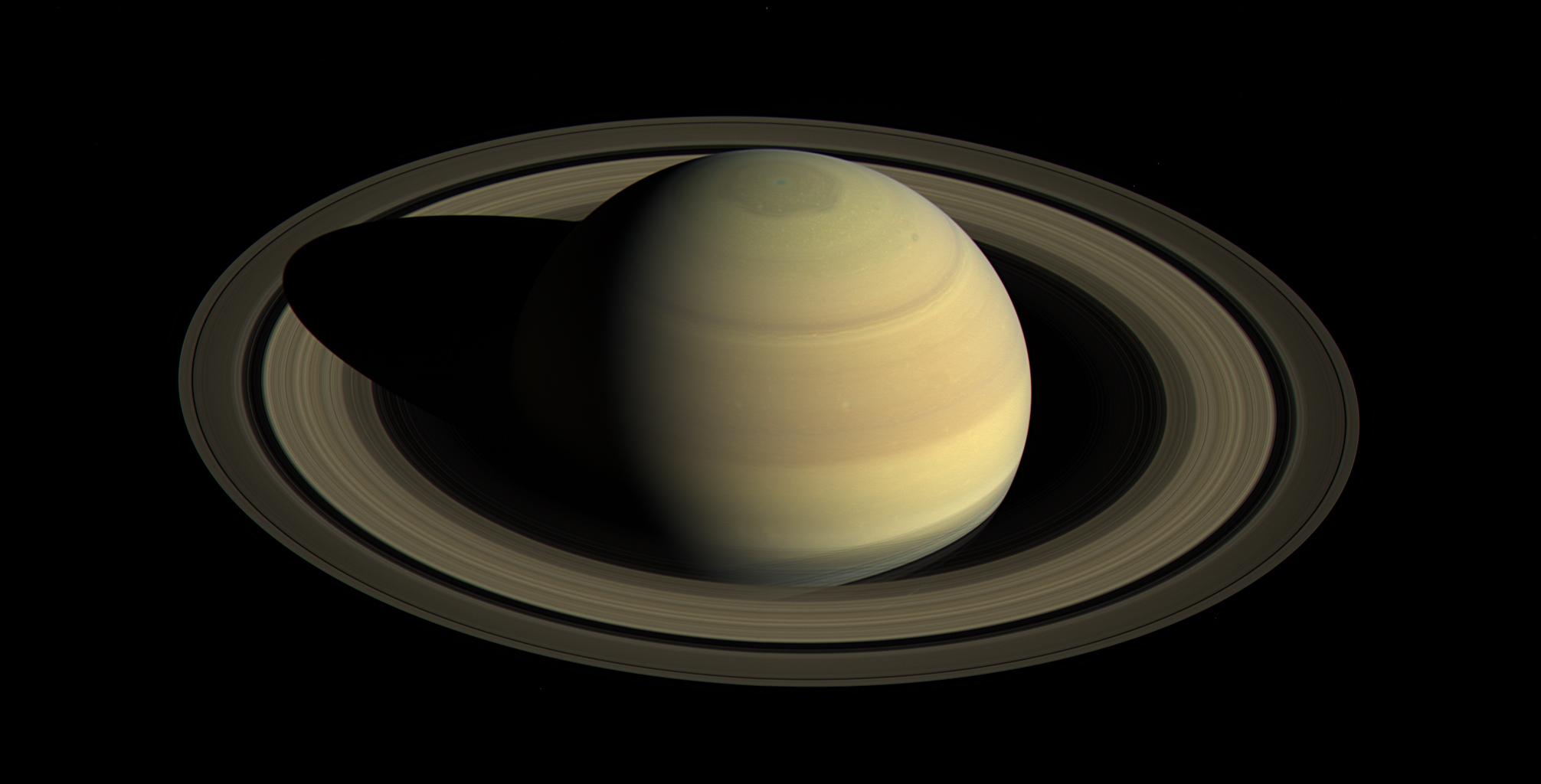
Roughly 20 years ago the Cassini orbiter launched from Cape Canaveral for a seven year journey to the ringed planet Saturn. Towing with it was the Huygens probe, built and maintained by the European Space agency. On its journey to Saturn the orbiter flew by Venus through the asteroid belt, past Jupiter with its giant red eye, before finally arriving at Saturn. After spending countless years investigating Saturn and its moons, today is the culmination of that journey as Cassini begins its death orbit down into Saturn.

Photo Credit: NASA/JPL-Caltech

Cassini was a triumph of science and engineering, sending back amazing views and increasing the state of knowledge in astronomy. Cassini discovered two previously unknown moons orbiting Saturn (bringing Saturn’s total known moon count to 60), discovered ice plumes from Enceladus (another Saturn moon) via magnetometer, and detached and sent the Huygens probe  down to the surface of Titan (Saturn’s largest moon). The landing of Huygens on Titan is the first and only landing on the surface of a world in the outer solar system.

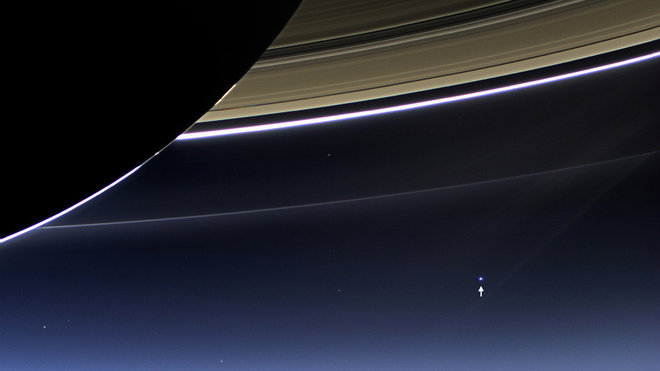
Cassini orbiter sees Earth from Saturn (Photo Credit: NASA/JPL-Caltech)

Read More “Fun Science FRIEDay – Au Revoir Cassini” »

Fun Science FRIEDay – Embryonic Gene Editing

Posted on August 18, 2017 By Kersey Sturdivant
Uncategorized

The world we currently live in would have seemed like science fiction to humans in the not to distant past. Everyday more and advancements transform sci-fi dreams into reality. Most recently gene editing of human embryos has been birthed into the realm of possibility (cheesy pun intended!). In theory gene editing embryos could allow you to choose preferential traits in your soon to be human flesh-blob. That level of ability does not currently exist, but the latest developments in gene editing are still pretty astonishing.

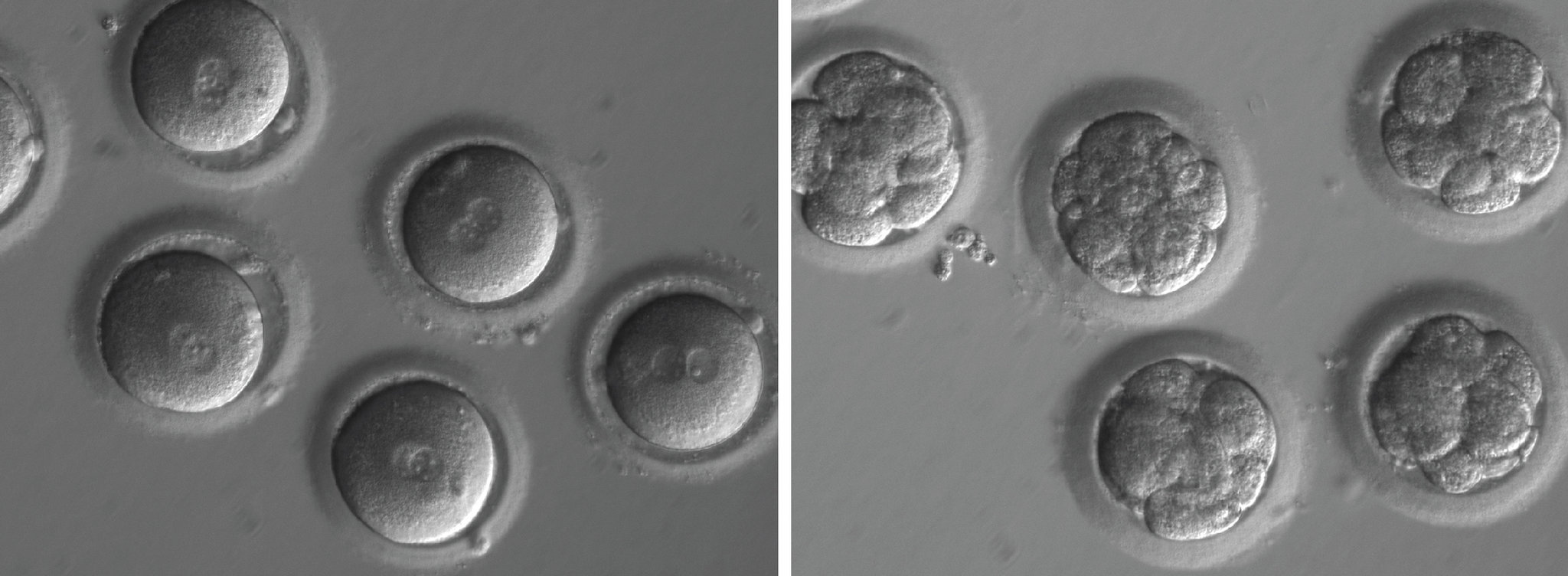
Eggs before gene editing (left), and eggs after gene editing and already undergoing cell division (right)
(Photo credit: Ma et al. 2017)

In a recent study scientists took a human embryo and edited a dangerous mutation from the genes of that embryo; human reality, meet science fiction. Scientists at Oregon Health and Science University, with colleagues in California, China and South Korea, edited embryos, fixing a mutation that causes a common heart condition that can lead to sudden death later in life. The biggest hurdles were producing embryos in which all cells, not just some, were mutation-free, while also avoiding creating unwanted extra mutations during the process. The researchers found that when gene-editing components were introduced with sperm to the egg before fertilization, the success of the process was markedly different from previous approaches. If embryos with the repaired mutation were allowed to develop into babies, they would not only be disease-free but would also not transmit the disease to their descendants.

Read More “Fun Science FRIEDay – Embryonic Gene Editing” »

Fun Science FRIEDay – Cure for HIV?

Posted on May 19, 2017May 19, 2017 By Kersey Sturdivant
Uncategorized

One of the greatest scourges of the mid 20th century, leading into the 21st century, has been the human immunodeficiency virus, better known as HIV, which can lead to acquired immune deficiency syndrome (AIDS). HIV is a virus that attacks a person’s immune system. Without treatment, over time HIV can completely destroy a person’s immune system leaving them mortally vulnerable to common pathogens that would otherwise be easily dealt with.  Since this disease first burst onto the scene in the mid-20th century it has claimed countless lives, and science has struggled to develop a cure given the ability of the disease to rapidly change and hide-out in the body.

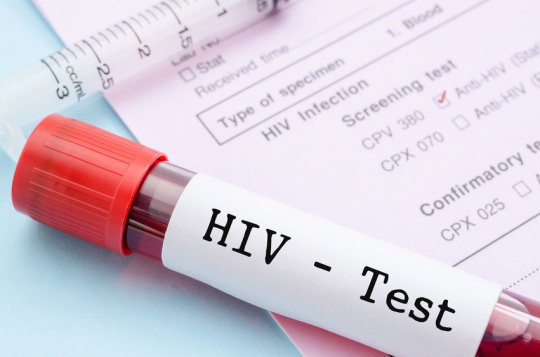
(Photo credit: gamjai / Fotolia)

Read More “Fun Science FRIEDay – Cure for HIV?” »

Fun Science FRIEDay – Immune System Amnesia

Posted on April 28, 2017May 8, 2017 By Kersey Sturdivant 2 Comments on Fun Science FRIEDay – Immune System Amnesia
Uncategorized

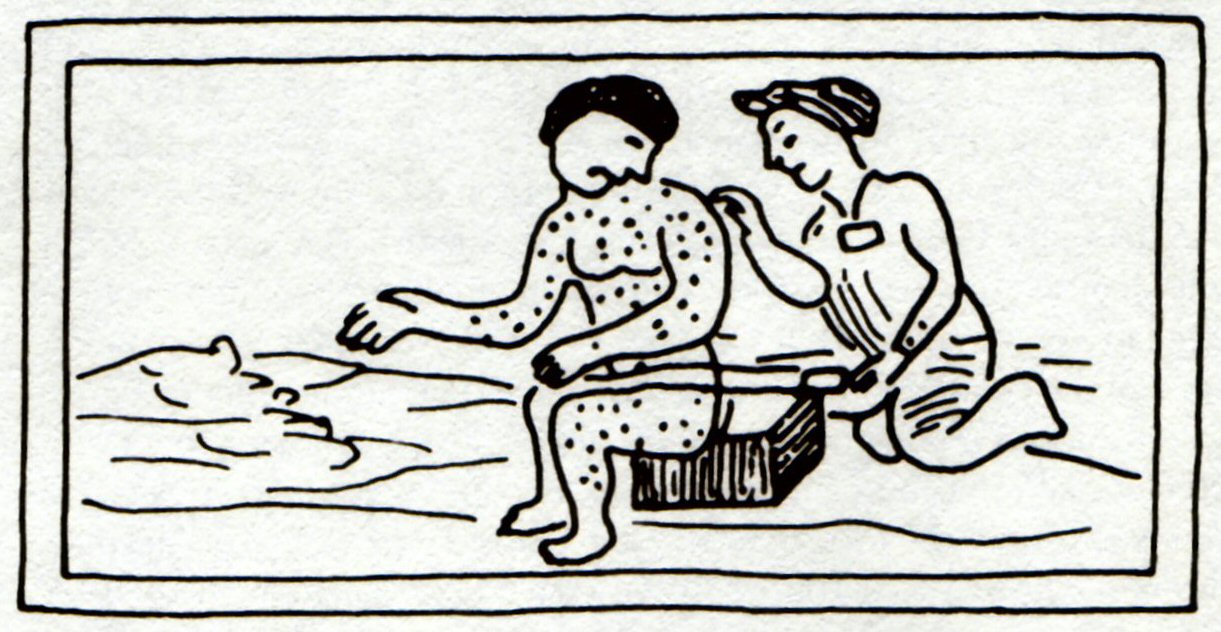
Ah the measles, a childhood illness that most of my generation has never experienced; due in large part to the success of measles vaccination. A lot of people think the measles isn’t that big of a deal, its just some combination of a rash and fever that goes away in due time. While this is true in most people, in about 1 in 1,000 cases the infection becomes systemic and moves to the brain resulting in death, in what is known as  measles encephalitis.  The measles vaccination resolved this issue but also had an unexpected secondary effect.

16th-century Aztec drawing of someone with measles (Photo credit: Unknown – (2009) Viruses, Plagues, and History: Past, Present and Future, Oxford University Press, USA, p. 144)

When the measles vaccine was first introduced in America in the 1960s, scientists were perplexed why childhood deaths from all infectious diseases plummeted along w/ the measles; even deaths from diseases like pneumonia and diarrhea were cut in half.  An obvious assumption was the drop in childhood deaths was just a result of our advances in modern medicine. While there is undoubtedly truth in the assertion that modern medicine was advancing rapidly in the mid-20th century, whenever the measles vaccine was introduced to Europe a few years later, and even now as its being introduced to third world countries, the same phenomena has been observed. Places that have the measles vaccine see a steep decline in deaths from all other childhood diseases. So whats going on?

Read More “Fun Science FRIEDay – Immune System Amnesia” »

Fun Science Holidays – The World’s Smallest Snowman

Posted on December 31, 2016 By Kersey Sturdivant
Uncategorized

As 2016 winds to a close, and in the spirit of the holiday season behold the world’s smallest snowman, measuring in at 3 microns. To put that into perspective, the smallest grains of sands are approximately 60 microns. This creation is the work of Canadian nanotechnologists from the Western Nanofabrication Facility. The snowman is made from … Read More “Fun Science Holidays – The World’s Smallest Snowman” »

Fun Science FRIEDay – Harnessing Synthetic Biology to Fight Ocean Pollution

Posted on December 16, 2016December 16, 2016 By Kersey Sturdivant
Conservation, Science

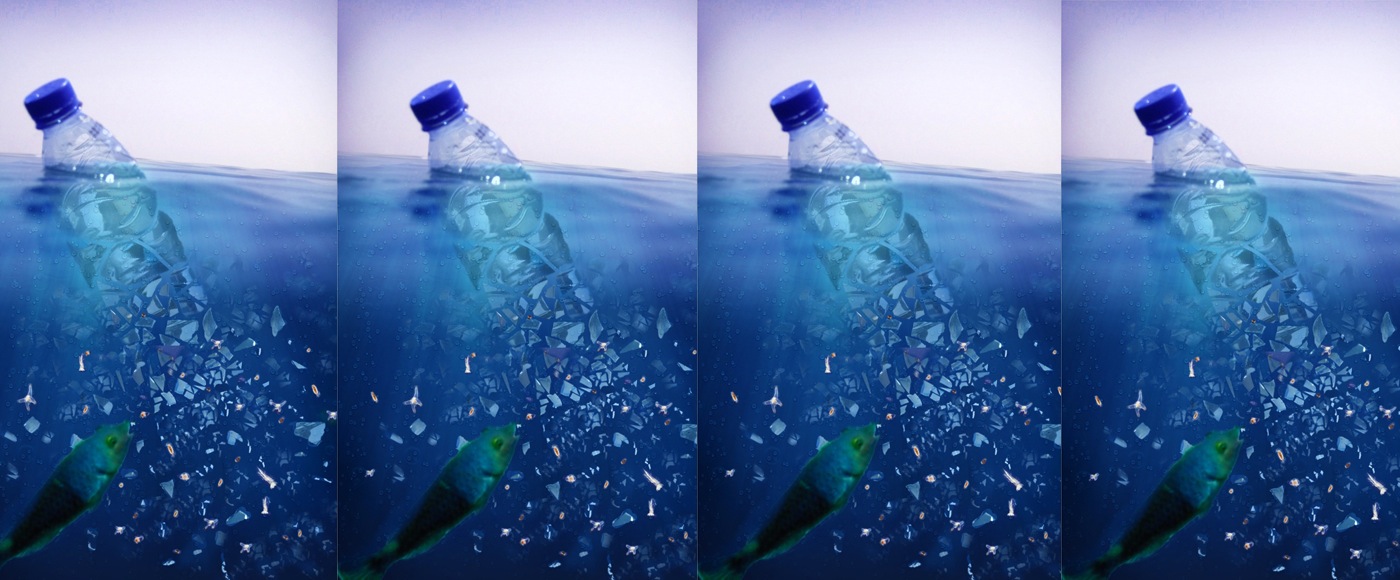
Plastics, more importantly microplastics, clog our oceans. This phenomena in the ocean has been likened to smog around cities. These plastic particles are dangerous because they can absorb toxins, subsequently be consumed by zooplankton and invertebrates, and bioaccumluate up the food web to fish that are consumed by humans. A study in Nature found that 25 percent of seafood sold contains microplastics! There has been a recent awareness of the unseen harm that exists when plastic pollution in the ocean degrades into microplastics. A report in Environmental Research Letters estimated that “accumulated number of micro plastic particles… ranges from 15 to 51 trillion particles, weighing between 93 and 236 thousand metric tons.” That is cray cray. Despite a better awareness of the impact of microplastics on marine ecology, we still have a poor spatial understanding of microplastics in the ocean. The presence and density of microplastics is determined by trawling the ocean (i.e., researchers go out with a net and physically count the pieces of plastic they pick up). As you can imagine, this is not very effective.

Conceptualization of plastic degrading in the ocean. (Photo credit: Archipelagos Institute)

Read More “Fun Science FRIEDay – Harnessing Synthetic Biology to Fight Ocean Pollution” »

The Worlds First Empirical ‘How-To’ Get Into Graduate School Book

Posted on December 15, 2016 By Kersey Sturdivant
Academic life, Education

Many years ago as a graduate student at the College of William & Mary, Virginia Institute of Marine Science, my former officemate (Noelle Relles) and I came up with a novel idea: take all the disparate information out there about strategies for getting into graduate school in the natural sciences and coalesce them into a single concise yet comprehensive text. Essentially develop a How-To book about graduate school. But we wanted the book to be more than just instructional anecdotes. We were scientist, and thought it would be useful to add a level of empiricism to the book. We wanted to write a How-To book where the conclusion were driven by results from a national survey of graduate admissions offices in the USA. At the time, writing a book based on a national survey of graduate programs seemed like quite a long-shot as we were both a number of years removed from getting our PhDs, and the most pressing issues in our lives at that time were graduating and finding free food and alcohol.

Living the life of a graduate student at VIMS’ infamous Fall Party. (Photo credit: Kersey Sturdivant)

Read More “The Worlds First Empirical ‘How-To’ Get Into Graduate School Book” »

Fun Science FRIEDay – Water to Wine? Close, CO2 to Alcohol (ethanol)

Posted on December 2, 2016 By Kersey Sturdivant
Open Science, Science

Science brings us many wonderful things (honestly if you enjoy the benefits of the modern era, go out and hug a scientist). One of humanities age old desires is the ability to convert something invaluable, or a nuisance, into something desirable. The old midas touch if you will. Recently some scientist stumbled onto the process of converting CO2, a primary culprit of anthropogenic climate change, into alcohol… though not the kind you drink, the kind that humanity could use as fuel.

(Photo credit: Getty + Space Images)

Producing fuel from CO2 is huge because it lets us take a nuisance compound, and converts it into a productive one. This was accomplished by scientists at Oak Ridge National Laboratory in Tennessee by using common materials (copper and carbon), but arranging them with nanotechnology. The researchers were attempting to find a series of chemical reactions that could turn CO2 into a useful fuel, such as ethanol. They figured they would go from CO2 to methanol, and then work out the logistics of going from methanol to ethanol, when they realized the first step in their process managed to do it all by itself. Science for the win!

Read More “Fun Science FRIEDay – Water to Wine? Close, CO2 to Alcohol (ethanol)” »

Posts pagination

Previous 1 2 3 … 7 Next

Popular Posts

That's not a blobfish: Deep Sea Social Media is Flooded by AI SlopThat's not a blobfish: Deep Sea Social Media is Flooded by AI SlopDecember 19, 2025Andrew Thaler
What Ocean Ramsey does is not shark science or conservation: some brief thoughts on "the Shark Whisperer" documentaryWhat Ocean Ramsey does is not shark science or conservation: some brief thoughts on "the Shark Whisperer" documentaryJuly 2, 2025David Shiffman
Screaming into the void - Why your scientific paper doesn’t matterScreaming into the void - Why your scientific paper doesn’t matterJune 18, 2026Chris Parsons
The story of the pride flag made from NASA imagery: Bluesky's most-liked imageThe story of the pride flag made from NASA imagery: Bluesky's most-liked imageSeptember 27, 2024David Shiffman
I can serve on your graduate thesis committee. Here’s what you can expect of me, and what I expect in return.I can serve on your graduate thesis committee. Here’s what you can expect of me, and what I expect in return.October 16, 2025David Shiffman
Ageism in the conservation job marketAgeism in the conservation job marketJune 19, 2026Chris Parsons
Shark of Darkness: Wrath of Submarine is a fake documentaryShark of Darkness: Wrath of Submarine is a fake documentaryAugust 10, 2014Michelle Jewell
What is a Sand Shark?What is a Sand Shark?November 12, 2017Chuck Bangley
Our favorite sea monsters – Ningen (#4)Our favorite sea monsters – Ningen (#4)September 7, 2010Andrew Thaler
Fun facts and FAQs about Megalodon, Maryland's new (and definitely extinct) official state sharkFun facts and FAQs about Megalodon, Maryland's new (and definitely extinct) official state sharkApril 15, 2026David Shiffman
Subscribe to our RSS Feed for updates whenever new articles are published.

We recommend Feedly for RSS management. It's like Google Reader, except it still exists.

Southern Fried Science

  • Home
  • About SFS
  • Authors
  • Support SFS


If you enjoy Southern Fried Science, consider contributing to our Patreon campaign.

Copyright © 2026 Southern Fried Science.

Theme: Oceanly Premium by ScriptsTown