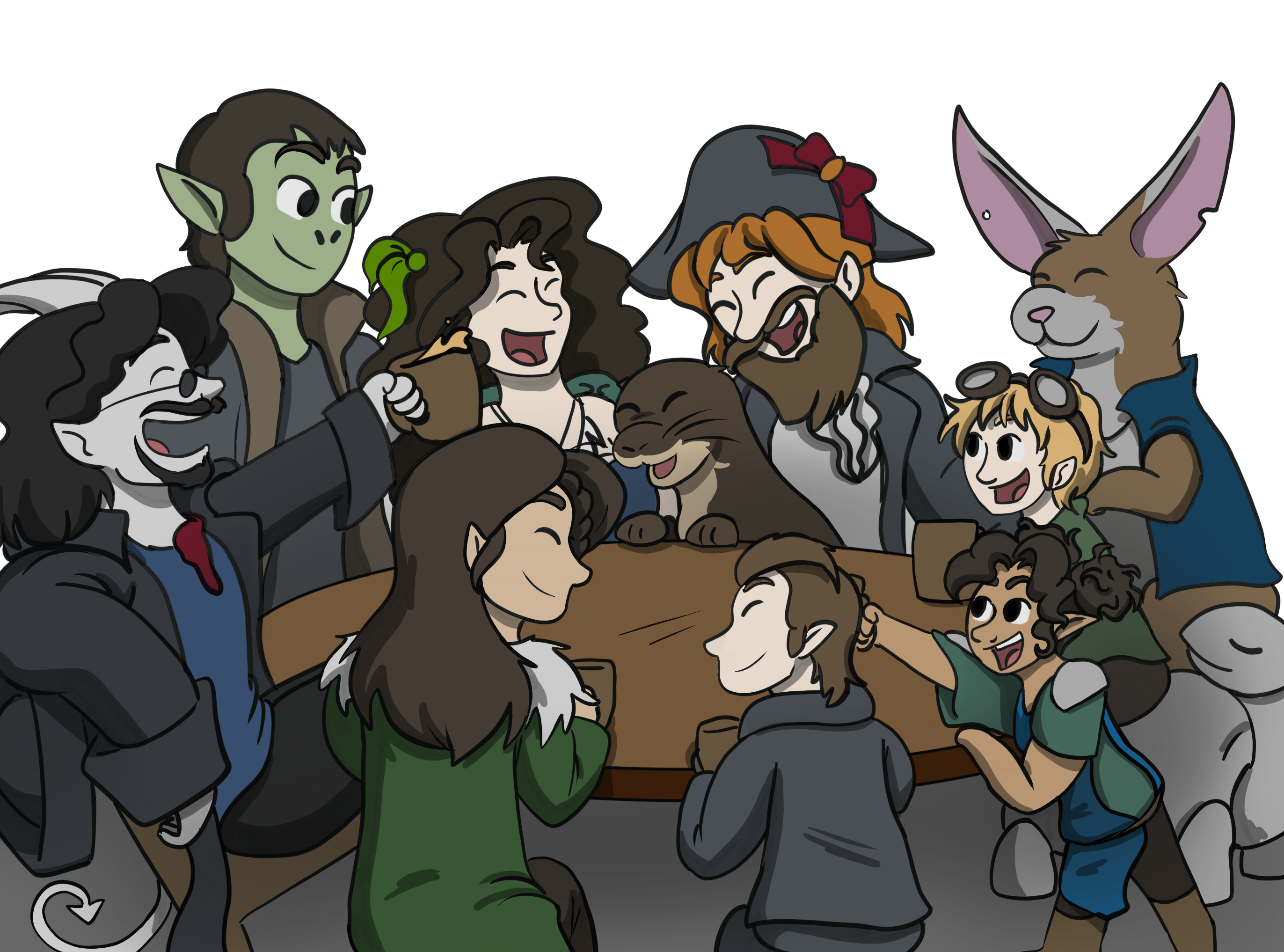
The adventures of the Cephalosquad continue on our weekly marine science-themed Dungeons and Dragons podcast, Dugongs and Seadragons. This month, the party attends an academic lecture on renewable energy which gets a little out of hand. We’ve got a Patreon (separate and completely unrelated to the Southern Fried Science Patreon), where you can get behind-the-scenes clips … Read More ““If you were eaten by an owlbear, would your skeleton come out the owl end or the bear end?” This month on Dugongs and Seadragons” »
Author: Andrew Thaler
Marine science and conservation. Deep-sea ecology. Population genetics. Underwater robots. Open-source instrumentation. The deep sea is Earth's last great wilderness.June saw a major uptick in readers, and not necessarily for the articles you’d expect. The press release that me and David put out and David’s piece on the strange history of Trump and sharks both claimed top billing, but oddly, the short piece I wrote about all the chicken coops I’ve built struck a … Read More “Oddly enough, chicken coops: What you read on Southern Fried Science in June.” »
The first time I went to test an OpenCTD head-to-head against a hand-held commercial CTD, something was wrong. It was early in the OpenCTD development, but we were deep enough into the weeds that we had what we thought was a pretty good calibration process. The OpenCTD looked good against our standards. But the devices … Read More “Did you calibrate you CTD today?” »
The ocean is a gigantic places absolutely chock full of weirdos. Oliver touched on quite a few points I’ve made over the year, including the fact that deep-sea mining is absolutely not inevitable and that new battery chemistries could dramatically reduce the demand for these critical minerals over the next decade. Read more about deep-sea … Read More “John Oliver covers Deep-sea Mining on Last Week Tonight” »
I have a problem with the OpenCTD. The OpenCTD is a low-cost, open-source oceanographic instrument that lets you take fundamental water quality measurements for a fraction the cost of commercial alternatives without sacrificing data quality. It’s rated to 140 meters, and we’ve tested that, once, in a bathymetric chamber, and then, occasionally, in the field. … Read More “I built a DIY hardware store pressure vessel to test ocean science tools from the comfort of my shed.” »
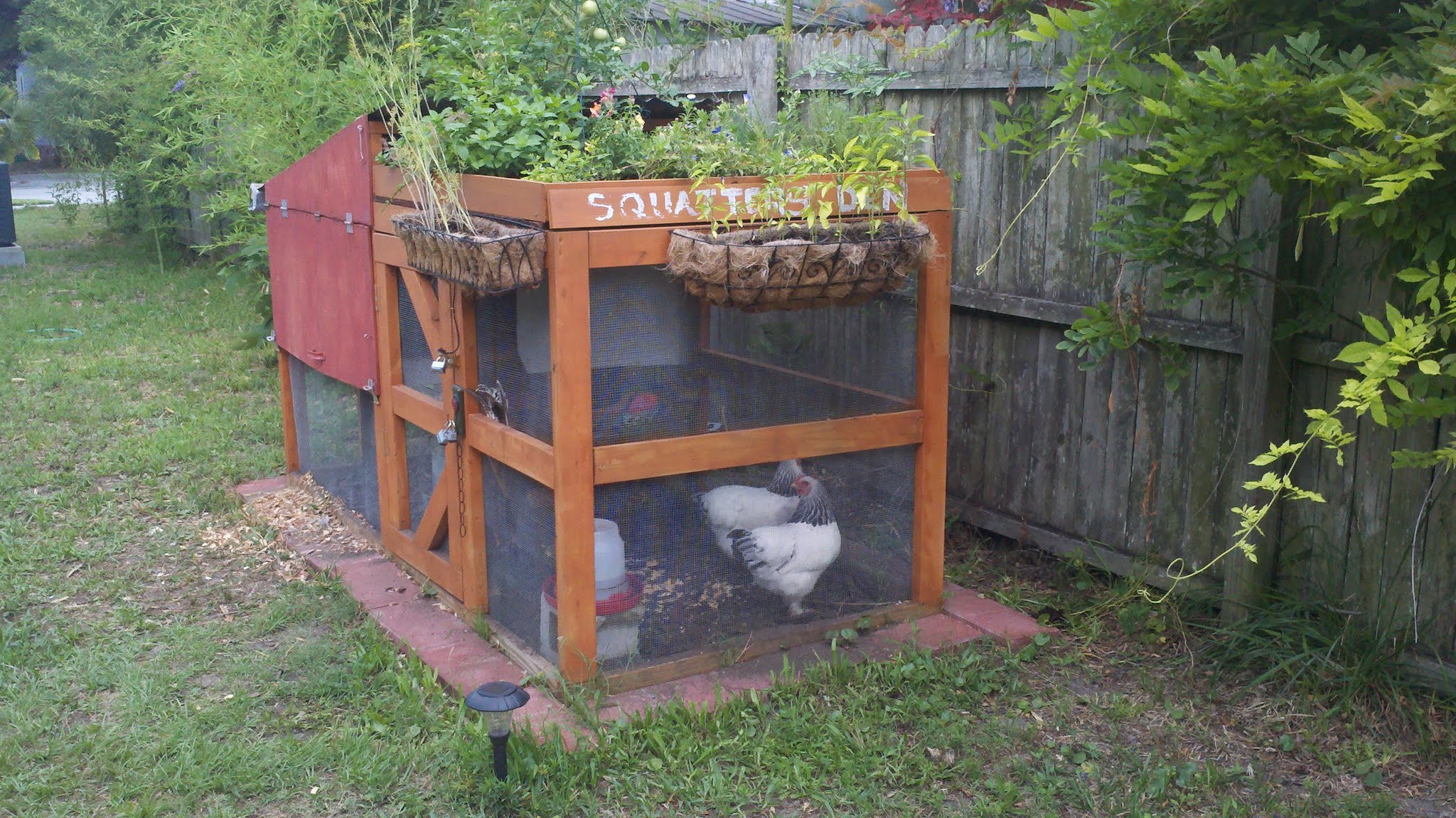
On July 4, 2011, I unveiled my designs for the Pico Farm, a tiny chicken coop and garden that fit into a 4′ by 8′ footprint. It was a cool little thing that fit into just about any backyard and laid the foundation for my decades long love of raising chickens. We even got an … Read More “Reflecting on my favorite chicken coops.” »
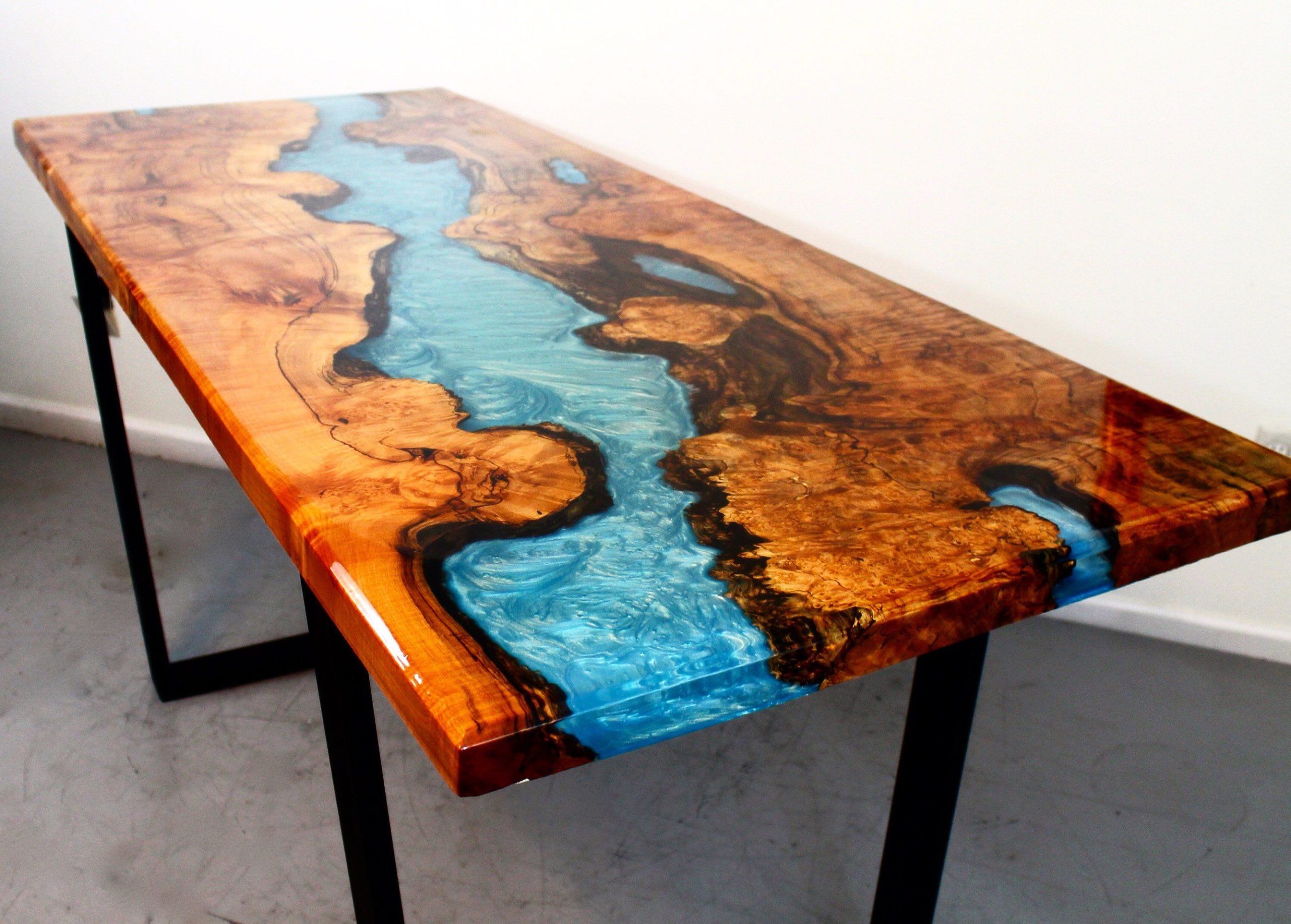
Fourteen years ago, when Social Media was fresh and new and full of hope, I started teaching Social Media for Environmental Communications at Duke University. The internet was bursting with potential and we wanted to help ocean campaigners tap into that cognitive surplus for the good of the planet. This was a data driven course, … Read More “This is not an article about epoxy river tables.” »
I sat down with Andrew Lewin last week to talk about science funding, crowdfunding, and 10 years raising seed funding for high risk projects using Patreon.
May has historically been one of the slowest months on the blog. The weather is getting nice and Southern Fried Science readers and writers have other priorities as the academic year comes to a close. We only published 8 articles this month and logged about 11,000 unique visitors. You were interested in the news that … Read More “Not much: What you read on Southern Fried Science in May” »
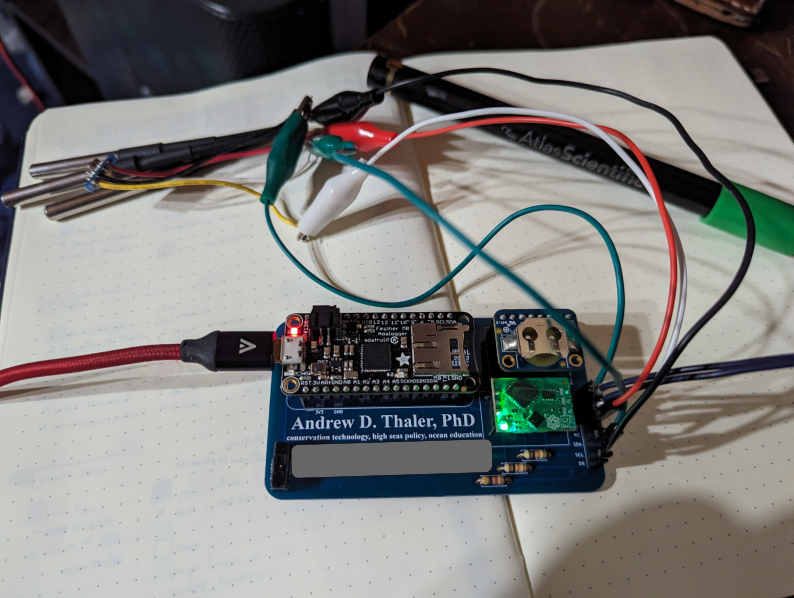
I spend a lot of time talking about the OpenCTD, my important, gigantic electronics project aimed at making the foundational tool of oceanography available to those most directly affected by our changing oceans. It’s been a minute since I’ve written about any of my weird little electronics projects. I do lots of weird little electronics … Read More “A calling card for oceanographers” »