Skip to content

Southern Fried Science

Over 15 years of ocean science and conservation online

  • Home
  • About SFS
  • Authors
  • Support SFS

Category: Science

Was CITES COP16 a game-changer for online outreach at wildlife management meetings?

Posted on March 18, 2013 By David Shiffman 5 Comments on Was CITES COP16 a game-changer for online outreach at wildlife management meetings?
Conservation, Science

davesquareCITES logo

As 16th Conference of the Parties of the Convention of International Trade in Endangered Species (CITES COP16, pronounced sight-eze) comes to a close, I’d like to reflect on something that made this meeting unlike almost any other wildlife conservation and management meeting in history. Yes, history was made as delegates voted to list commercially exploited shark species for the first time, and history was made when manta rays became the first shark or ray species  to be listed under CITES the first time they were proposed, and that’s all fantastic news. However, what I believe made CITES COP16 a game-changer for wildlife conservation and management was the large-scale inclusion of online outreach by both attendees and organizers. For the first time ever, interested members of the public from all over the world could follow along (and to some degree, participate) in real time.

Read More “Was CITES COP16 a game-changer for online outreach at wildlife management meetings?” »

A guide to following shark conservation proposals at CITES on twitter

Posted on March 5, 2013 By David Shiffman
Conservation, Science

davesquare

CITES logoRight now, delegates from 178 countries are meeting in Bangkok, Thailand to discuss a variety of conservation proposals. At the 16th CITES Conference of the Parties, among many other worthy topics, delegates will be debating a record-number of shark and ray proposals. These include iconic species like hammerhead sharks (3 species) and manta rays (2 species), as well as oceanic whitetip sharks, porbeagle sharks, and three species of freshwater stingray.

In addition to a record-number of shark and ray proposals, this year’s Conference of the Parties also has a record-number of attendees live-tweeting the meeting.Those of you who follow me on twitter know that I’ve been re-tweeting lots of information about CITES and these shark conservation proposals. In case you want to get the information directly from the source, I’ve prepared a guide to following along with the meeting on twitter.

1) Follow #CITES . Though this hashtag isn’t exclusively focused on sharks (and isn’t exclusively in English), there’s a lot of good information being shared.

2) Follow #Cites4Sharks . Also use this hashtag if you’re sharing any relevant links or information.

3) Follow the 13 accounts I’ve highlighted below (and let me know in the comments if you have suggestions for any accounts I should add to the list):

Read More “A guide to following shark conservation proposals at CITES on twitter” »

Breaking News! “Most Comprehensive Estimate of Mortality”: Between 63 and 273 Million Sharks Killed Each Year

Posted on March 1, 2013March 1, 2013 By David Shiffman 10 Comments on Breaking News! “Most Comprehensive Estimate of Mortality”: Between 63 and 273 Million Sharks Killed Each Year
Conservation, Science

davesquare

A new study* has estimated that the total number of sharks killed by fisheries each year is between 63 and 273 million, with a average of approximately 100 million.In an interview, lead author Dr. Boris Worm explains the importance of this estimate:

“This is by far the most comprehensive estimate of shark mortality yet,” he said,  “because we consider all sources of mortality, from direct fishing, finning, and discard mortality. the estimate was derived by crunching numbers from almost 100 publications on the catches and mortality of sharks.”

Of all the numbers this team crunched, the most important thing to consider is whether the exploitation rate is greater than the rebound rate. In other words, is this level of exploitation more than the populations can recover from? Though many estimates and approximations went into calculating these figures, it seems quite clear that sharks are being harvested at an unsustainable rate.

Read More “Breaking News! “Most Comprehensive Estimate of Mortality”: Between 63 and 273 Million Sharks Killed Each Year” »

Return from the Cayman Abyss: cruise post-mortem and some thoughts on media coverage

Posted on March 1, 2013 By Andrew Thaler 3 Comments on Return from the Cayman Abyss: cruise post-mortem and some thoughts on media coverage
Science

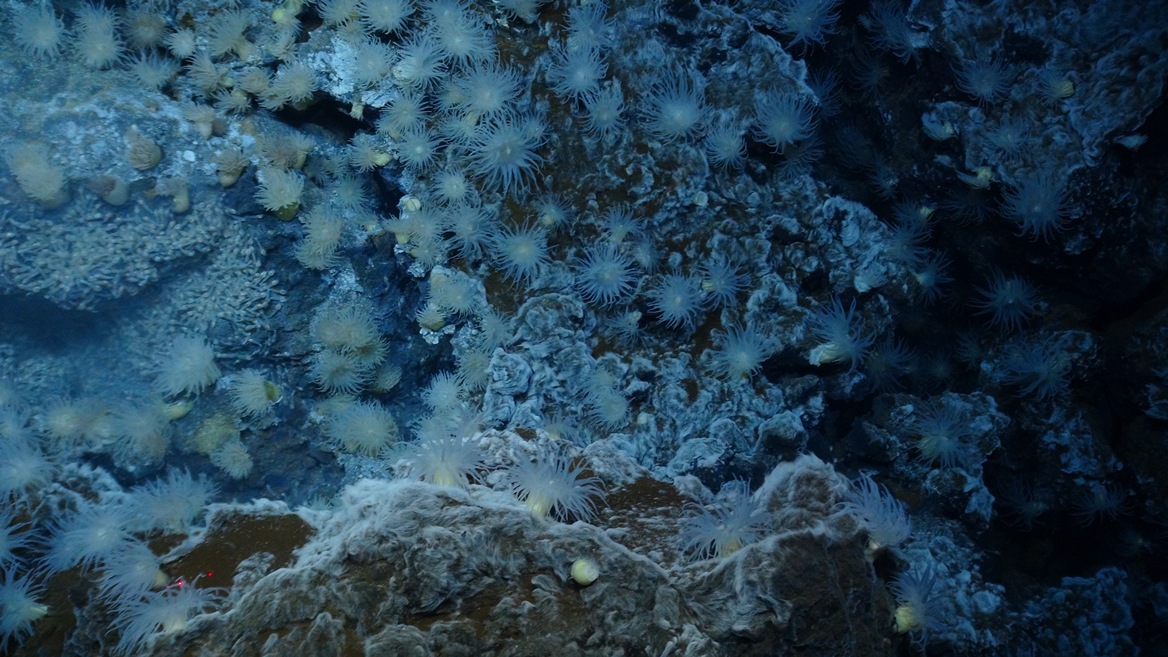
AndrewThumbAt 7 AM EST on Monday, February 25, the ROV Isis rose from the depths of the Cayman Abyss, bringing to a close the 82nd cruise of the RRS James Cook. During JC82, we explored two recently discovered hydrothermal vents fields in the Cayman Trough: Von Damm, named for the late marine geochemist Karen Von Damm, and Beebe, named for the 20th century explorer William Beebe. By any measure, JC82 was a massive success. The samples and videos we’ll bring back will provide ecologists, geologists, and chemists with new insights into fundamental ocean systems for years. The images alone, some beautiful, some heart-breaking, have already inspired.

bacteriamatssmall
Eyeless shrimp, dancing anemones, and a garden of filamentous bacteria. I’m a pretty good writer, and I can’t even begin to describe how beautiful this is. Photo Credit: NERC

Since I last updated the blog on our adventures exploring the Cayman Trough, we’ve had a steady stream media coverage, most of which has been excellent, some of which has been… strange. It’s been fascinating watching the articles come out, seeing what different media outlets consider the story, and, most important to me, getting a chance to share our adventure with a wide audience. Now that the #DeepestVents cruise is officially over (and we’re in transit to yet another, equally exciting bolt on cruise to investigate submerged lava flows off the island of Montserrat), I thought it would be a good opportunity to reflect on the cruise, the story, and how the media shaped it.

Read More “Return from the Cayman Abyss: cruise post-mortem and some thoughts on media coverage” »

Why a California great white shark scientist opposes CA Endangered Species Act protections

Posted on February 22, 2013October 27, 2013 By Guest Writer 15 Comments on Why a California great white shark scientist opposes CA Endangered Species Act protections
Why a California great white shark scientist opposes CA Endangered Species Act protections
Conservation, Science

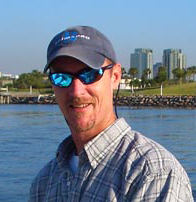
csulb shark labChris Lowe -CSULBDr. Chris Lowe is a Professor of Marine Biology at California State University Long Beach, and is Director of the  CSULB Shark Lab. He has studied  California’s great white sharks for more than 10 years, and has written more than 75 peer-reviewed scientific publications. Dr. Lowe also serves on the Board of Directors for the American Elasmobranch Society, the world’s largest professional organization of shark scientists. The following guest post was also submitted as a public comment to the California Department of Fish and Wildlife.


Comments for consideration on the petition to list white shark as threatened or endangered species:

I am a Professor of Marine Biology and the Director of the CSULB Shark Lab at California State University Long Beach and have been conducting State and Federally permitted white shark research in California since 2002. In addition, as a professional and published shark scientist who has studied a variety of shark species around the world, including white sharks in California, I would like to take this opportunity to express my personal professional opinion in regards to the petition request and the science behind it.

Read More “Why a California great white shark scientist opposes CA Endangered Species Act protections” »

The most preventable shark attack of all time?

Posted on February 19, 2013February 19, 2013 By David Shiffman 5 Comments on The most preventable shark attack of all time?
The most preventable shark attack of all time?
Science

davesquare

I don’t often cover shark attacks here at Southern Fried Science. They get plenty of news coverage on their own, they’re usually not that relevant from a science and conservation perspective, and they are outside of my expertise and interests. However, some shark attack stories, such as this one, transcend “if it bleeds, it leads” fearmongering journalism and are interesting in their own right.

I’d like to preface this story by saying that shark attacks are extremely rare to begin with (you have a 1 in 5 chance of dying from heart disease and a 1 in 3.8 million chance of being killed by a shark in the United States). If you want to further minimize your chance of being attacked by a shark, most of the few attacks that occur can be prevented by simply swimming close to shore with lots of other people nearby during the day. Even though shark attacks are rare, I still don’t want to minimize the suffering of the few attack victims and their families. With these caveats out of the way, presented below is the fascinating story of what is probably the most preventable shark attack of all time.

Read More “The most preventable shark attack of all time?” »

Update from the Cayman Abyss

Posted on February 15, 2013February 15, 2013 By Andrew Thaler 1 Comment on Update from the Cayman Abyss
Science

Andrew is currently at sea exploring the world’s deepest hydrothermal vents aboard the RRS James Cook. You can follow along with the adventure at the cruise blog–Into the Cayman Abyss–and on twitter using the hashtag #DeepestVents. Below is a cross post of his first entry Confessions of a Benthic Mercenary – It’s all about connectivity.


AndrewThumbModern deep-sea science is built on broad international collaborations. We share resources, expertise, and ship time. These exchanges allow scientists from around the world to benefit from a global research fleet that includes dedicated oceanographic platforms like the RRS James Cook or the RV Atlantis as well as novel vessels-of-opportunity that could include Norwegian container ships, North Carolina ferries, or Papua New Guinea tug boats. There are small differences between the operation of vessels from different nations – new acronyms, different power supplies, and an enduring disagreement regarding what constitutes a proper biscuit (ask a North Carolinian to take you to Bojangles sometime) – but the rhythm of a ship at sea is dictated, above all else, by the ocean.

The international and interconnected network of deep-sea scientists is how I now find myself, as an American, sailing aboard a British ship, in a role that could best be described as a Benthic Mercenary.

Read More “Update from the Cayman Abyss” »

50 Shades of Grey Reef Shark: A Valentine’s Day Special Report on Shark Sex (With Pictures! And Video!)

Posted on February 13, 2013February 13, 2013 By David Shiffman 5 Comments on 50 Shades of Grey Reef Shark: A Valentine’s Day Special Report on Shark Sex (With Pictures! And Video!)
50 Shades of Grey Reef Shark: A Valentine’s Day Special Report on Shark Sex (With Pictures! And Video!)
Science

davesquare

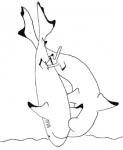
As many of our readers prepare for a romantic evening with their special someone (or a Single’s Awareness Day celebration with friends), I invite you to take a few minutes and learn how our toothy friends in the ocean do it. And by “do it”, I mean “do it”. Here are 10 things you might not have known about shark sex.

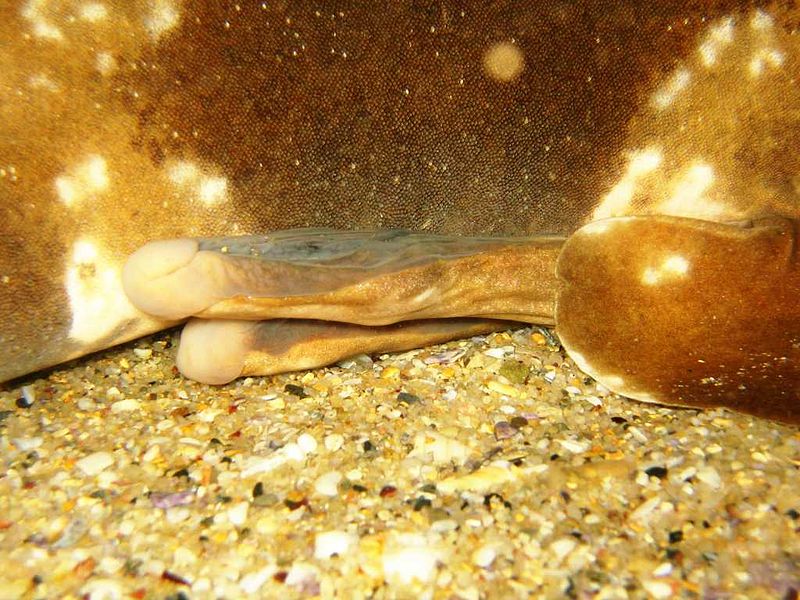
1) Sharks have external reproductive organs. A male shark has reproductive organs called “claspers” (yes, there are two of them), and females have a “cloaca”. As I regularly tell the high school students who join us for shark research trips, even if you don’t have a degree in marine biology, you’ll quickly recognize what you’re looking at.

A closeup of claspers (male reproductive organs) on a spotted Wobbegong shark. Photo credit: Richard Ling, WikiMedia Commons

Read More “50 Shades of Grey Reef Shark: A Valentine’s Day Special Report on Shark Sex (With Pictures! And Video!)” »

Saying goodbye to an old friend: The R/V Cape Hatteras returns home from her final voyage

Posted on January 30, 2013 By Andrew Thaler
Science

At 0930, January 30, 2013, the research vessel Cape Hatteras made her final voyage through the Beaufort Inlet to dock at Pivers Island. The Cape Hatteras served as the flagship of the Duke/University of North Carolina Oceanographic Consortium for 31 years. During that time she logged more than 5000 days at sea over the course … Read More “Saying goodbye to an old friend: The R/V Cape Hatteras returns home from her final voyage” »

Know Your Fishermen as well as your Farmer

Posted on January 30, 2013 By Bluegrass Blue Crab 1 Comment on Know Your Fishermen as well as your Farmer
Science
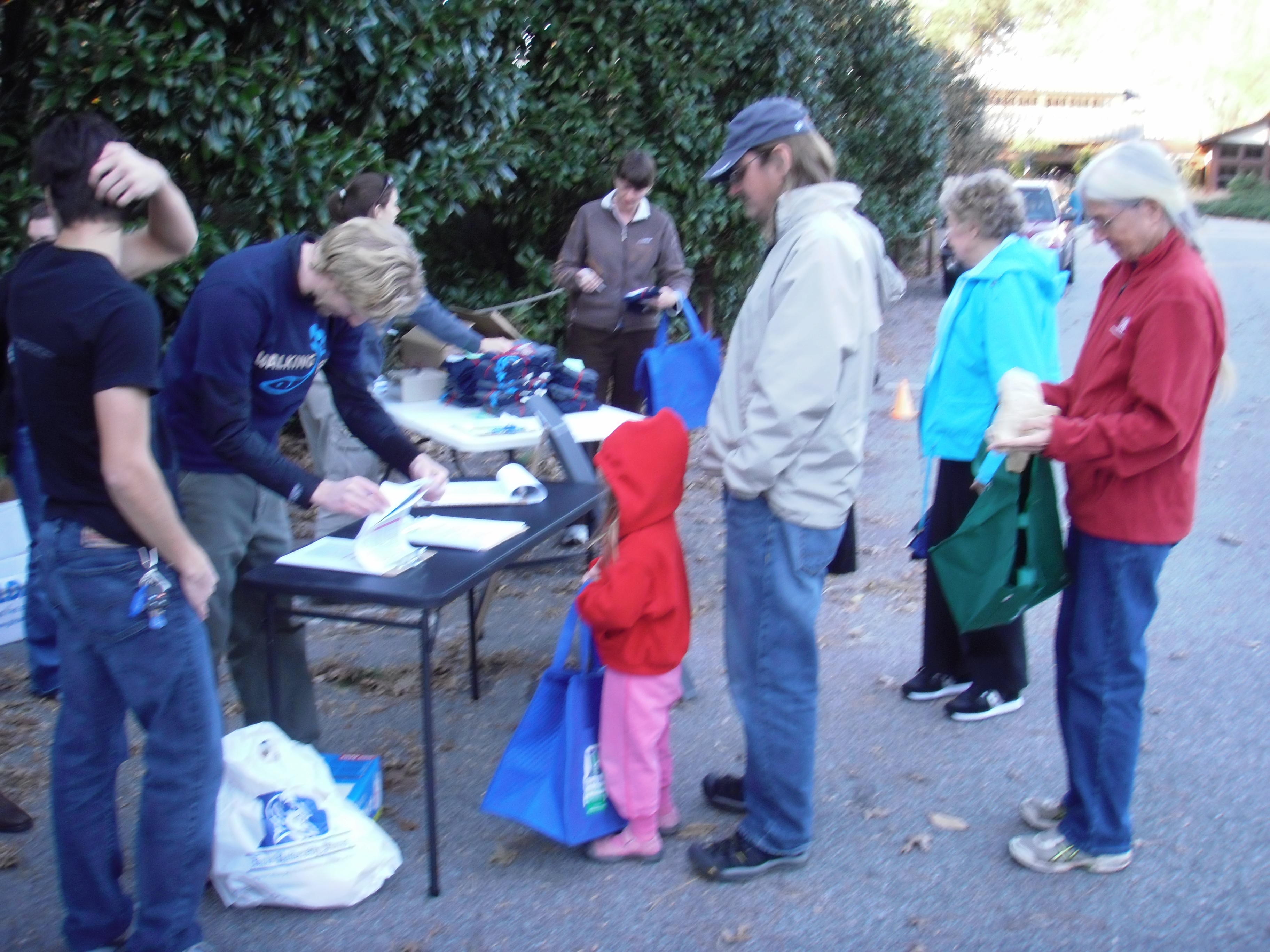
Members of Walking Fish in NC pick up their shar, photo by author
Members of Walking Fish in NC pick up their share, photo by author

amysquareFisheries had their ups and downs in the US in 2012. We’ve all heard the stories of overfishing, but there were also a few glimmers of hope as the New England cod fishery proposed to open previously closed areas, the Chesapeake oysters showed slight recovery, and MSC certification expanded and became more popular. News on the social side of the fishery – the fishermen and their families – is not as prevalent outside the small towns where they live. However, some of the most exciting developments happened on this front, starting with official community supported fisheries declaring themselves here to stay. They held a successful summit in New Hampshire this past July, placing them more in the public eye than ever before.

Read More “Know Your Fishermen as well as your Farmer” »

Posts pagination

Previous 1 … 37 38 39 … 81 Next

Popular Posts

What Ocean Ramsey does is not shark science or conservation: some brief thoughts on "the Shark Whisperer" documentaryWhat Ocean Ramsey does is not shark science or conservation: some brief thoughts on "the Shark Whisperer" documentaryJuly 2, 2025David Shiffman
I can serve on your graduate thesis committee. Here’s what you can expect of me, and what I expect in return.I can serve on your graduate thesis committee. Here’s what you can expect of me, and what I expect in return.October 16, 2025David Shiffman
The story of the pride flag made from NASA imagery: Bluesky's most-liked imageThe story of the pride flag made from NASA imagery: Bluesky's most-liked imageSeptember 27, 2024David Shiffman
What can the funniest shark memes on the internetz teach us about ocean science and conservation?What can the funniest shark memes on the internetz teach us about ocean science and conservation?November 8, 2013David Shiffman
Shark of Darkness: Wrath of Submarine is a fake documentaryShark of Darkness: Wrath of Submarine is a fake documentaryAugust 10, 2014Michelle Jewell
The Trouble with Teacup PigsThe Trouble with Teacup PigsOctober 14, 2012Andrew Thaler
I turned my woodshop into a personal solar farm.I turned my woodshop into a personal solar farm.June 21, 2021Andrew Thaler
"Twitter sucks now and all the cool kids are moving to Bluesky:" Our new survey shows that scientists no longer find Twitter professionally useful or pleasant"Twitter sucks now and all the cool kids are moving to Bluesky:" Our new survey shows that scientists no longer find Twitter professionally useful or pleasantAugust 19, 2025David Shiffman
Nodules, Lost Mines, and Dark Oxygen: A new documentary on deep-sea mining asks important questions about the future of the industry.Nodules, Lost Mines, and Dark Oxygen: A new documentary on deep-sea mining asks important questions about the future of the industry.July 24, 2025Andrew Thaler
Blackfish: the Science Behind the MovieBlackfish: the Science Behind the MovieSeptember 18, 2013Chris Parsons
Subscribe to our RSS Feed for updates whenever new articles are published.

We recommend Feedly for RSS management. It's like Google Reader, except it still exists.

Southern Fried Science

  • Home
  • About SFS
  • Authors
  • Support SFS


If you enjoy Southern Fried Science, consider contributing to our Patreon campaign.

Copyright © 2025 Southern Fried Science.

Theme: Oceanly Premium by ScriptsTown