Skip to content

Southern Fried Science

Over 15 years of ocean science and conservation online

  • Home
  • About SFS
  • Authors
  • Support SFS

Category: Science

My comments on New York’s proposed new shark fishing regulations

Posted on August 14, 2023January 4, 2024 By David Shiffman
My comments on New York’s proposed new shark fishing regulations
Conservation, Featured, Science

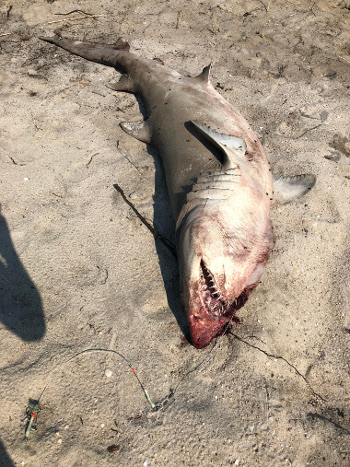
Following a growing problem of mishandling of species of conservation concern, New York’s Department of Environmental Conservation is proposing some new shark fishing regulations. Here is the text of the letter I sent them supporting some of those proposed regulations, and proposing additional regulations. A dead sand tiger shark washed up on a New York … Read More “My comments on New York’s proposed new shark fishing regulations” »

One Mining Code to Rule Them All: The poison pill at the heart of the Deep-Sea Mining negotiations.

Posted on July 19, 2023January 4, 2024 By Andrew Thaler
One Mining Code to Rule Them All: The poison pill at the heart of the Deep-Sea Mining negotiations.
Featured, Science

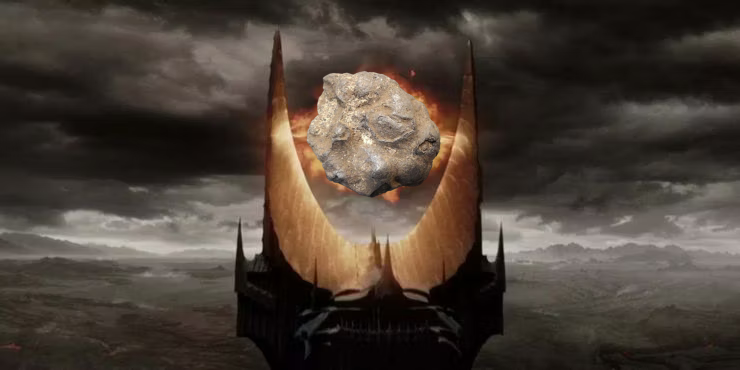
The International Seabed Authority is once again gathered in Kingston, Jamaica to continue negotiations on a set of rules and regulations to govern seafloor mining in the high seas, beyond any nation’s borders. At stake is access to vast fields of polymetallic nodules spread across the abyssal plains. These nodules are rich in nickel and … Read More “One Mining Code to Rule Them All: The poison pill at the heart of the Deep-Sea Mining negotiations.” »

New paper: What happened to the world’s first certified sustainable shark fishery?

Posted on June 26, 2023 By David Shiffman
Conservation, Science

In 2011, the world’s first fishery for sharks was certified as sustainable by the Marine Stewardship Council*. The British Columbia spiny dogfish fishery made major news in fisheries management and ocean conservation world, where the possible existence of sustainable shark fisheries has been debated intensely. A few years later, the fishery voluntarily withdrew their certification, and never publicly said why.
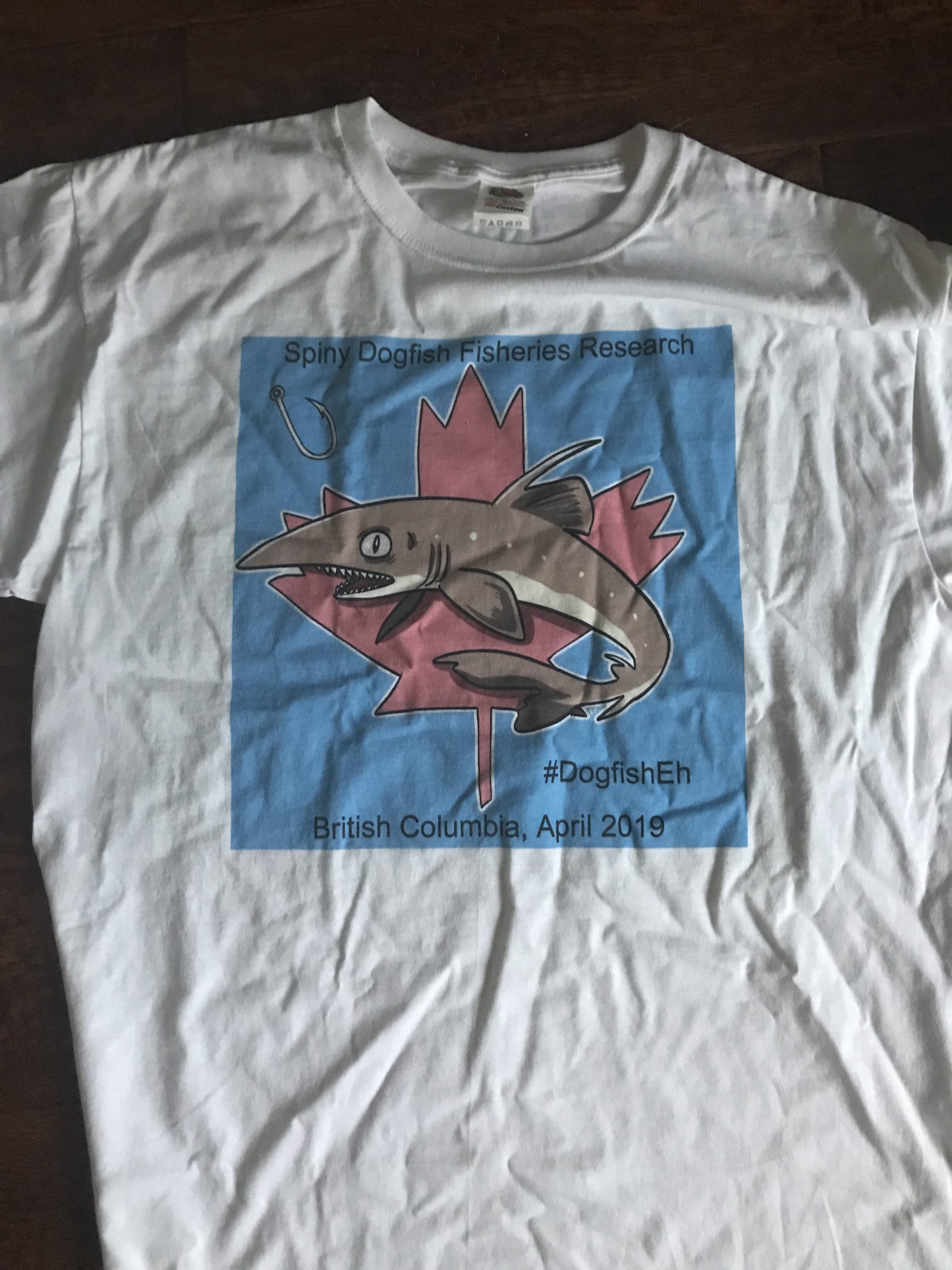
I wanted to know what happened with this scientific mystery. So, with the help of Chuck Bangley and Catherine Macdonald and funding support from the Liber Ero Postdoctoral Fellowship program, I organized a research expedition to find out. The results of our expedition can be found in our new paper (LINK,) (OPEN ACCESS AUTHOR COPY) but in this blog post, I’d like to explain what we did, what we found, and why we think it’s important.

Read More “New paper: What happened to the world’s first certified sustainable shark fishery?” »
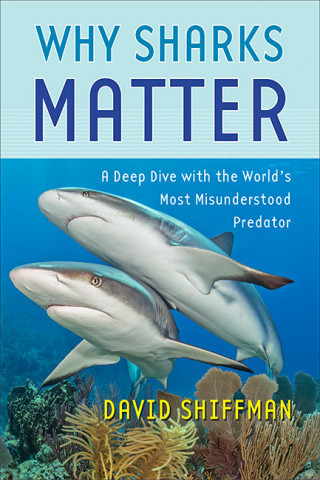
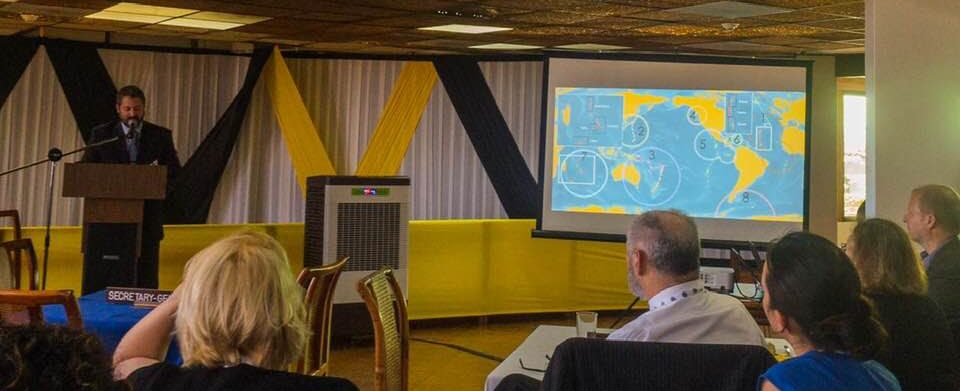
One year of “Why Sharks Matter:” What’s different in shark science and conservation now?

Posted on May 24, 2023 By David Shiffman
Conservation, Science

One year ago today, my book “Why Sharks Matter: A Deep Dive with the World’s Most Misunderstood Predator” was released. Science moves (relatively) rapidly and changes often, with new discoveries every day, and the conservation landscape is similar. This means that it is impossible for anything written about these topics at a discrete moment in time to remain accurate forever.

So, in the interest of accountability, in the interest of continuing to make my book useful for public education about shark science and conservation even as the science and policy landscape changes, and in the interest of keeping notes for myself for any future updated versions of the book, I have been keeping track of things that I wrote at the time that are no longer true, or weren’t quite right at the time. (Please note that some of these facts and figures were already out of date at the time the book was pubished, but that was well after the final text was turned in).

Read More “One year of “Why Sharks Matter:” What’s different in shark science and conservation now?” »

No, the deep-sea mining debate is not “gone”

Posted on April 20, 2023 By Andrew Thaler 2 Comments on No, the deep-sea mining debate is not “gone”
No, the deep-sea mining debate is not “gone”
Science

Earlier this month, Mining.com published an article on the next steps in the development of deep-sea mining which featured a pretty surprising statement from the CEO of The Metals Company:

“People think we are debating if this (deep sea mining) should happen or not, and that’s gone. It’s happening.”

Gerard Barron/Mining.com

One of the interesting things about deep-sea mining is that most of the people involved in the industry are environmentally motivated: the folks leading the charge for deep-sea mining and the folks urging caution have much more shared environmental values than coverage of the deep-sea mining negotiations would suggest. Which is why this quote caught me off-guard. Though an unapologetic proponent for the potential of deep-sea mining, Barron is usually much more diplomatic in his media statements. To declare that the debate is done seems reckless.

The deep-sea mining debate is most certainly not “gone”. It is, at the moment, more fiercely discussed that at any previous point in the industry’s 50 year history. While mining contractors have overcome significant political and technological hurdles to reach a point where they are on the cusp of the first commercial trials, the call for a moratorium on the development of the industry has more support, both within the International Seabed Authority, and without, than ever before. The invocation of the 2-year-trigger in 2021 jumpstarted the debate and forced the ISA to meet a deadline for finalization of the Mining Code, the legal structure that will determine when and how mining will proceed in the high seas.

Read More “No, the deep-sea mining debate is not “gone”” »

We need to know more about microplastics in the deep sea.

Posted on March 28, 2023March 28, 2023 By Andrew Thaler
Science

Establishing a baseline for microplastic accumulation in deep-sea animals using an historical sample archive: https://experiment.com/projects/establishing-a-baseline-for-microplastic-accumulation-in-deep-sea-animals-using-an-historical-sample-archive Most of the plastic that enters our oceans in unaccounted for. While large, charismatic macroplastics float on or just beneath the surface, making for dramatic scenes of vast swaths of garbage littering the sea, the bulk of the plastic in … Read More “We need to know more about microplastics in the deep sea.” »

The Last of Us zombie fungus has nothing on the brain-eating, sex-changing, Sacculina barnacle.

Posted on January 23, 2023January 24, 2023 By Andrew Thaler
The Last of Us zombie fungus has nothing on the brain-eating, sex-changing, Sacculina barnacle.
Science

In the Last of Us, the most gruesome live-action adaptation of a video game about people being turned into fungus since 1993’s Super Mario Bros, a mutated species of Cordyceps destroys society by converting humans into mindless, sporulating mushroom people.

Cordyceps, a fungus that most commonly parasitizes ants, is real. It really does hijack its host’s nervous system, alter its behavior, and turn it into a spore-producing zombie. The outcome is strangely beautiful.

Though the current darling of gritty, realistic, science-based zombie fiction, Cordyceps is such a lightweight in the world of brain-breaking parasites that tech bros brew it into their adaptogenic coffee.

If you want to meet a truly unsettling zombie-making parasite, allow me to introduce you to Sacculina.

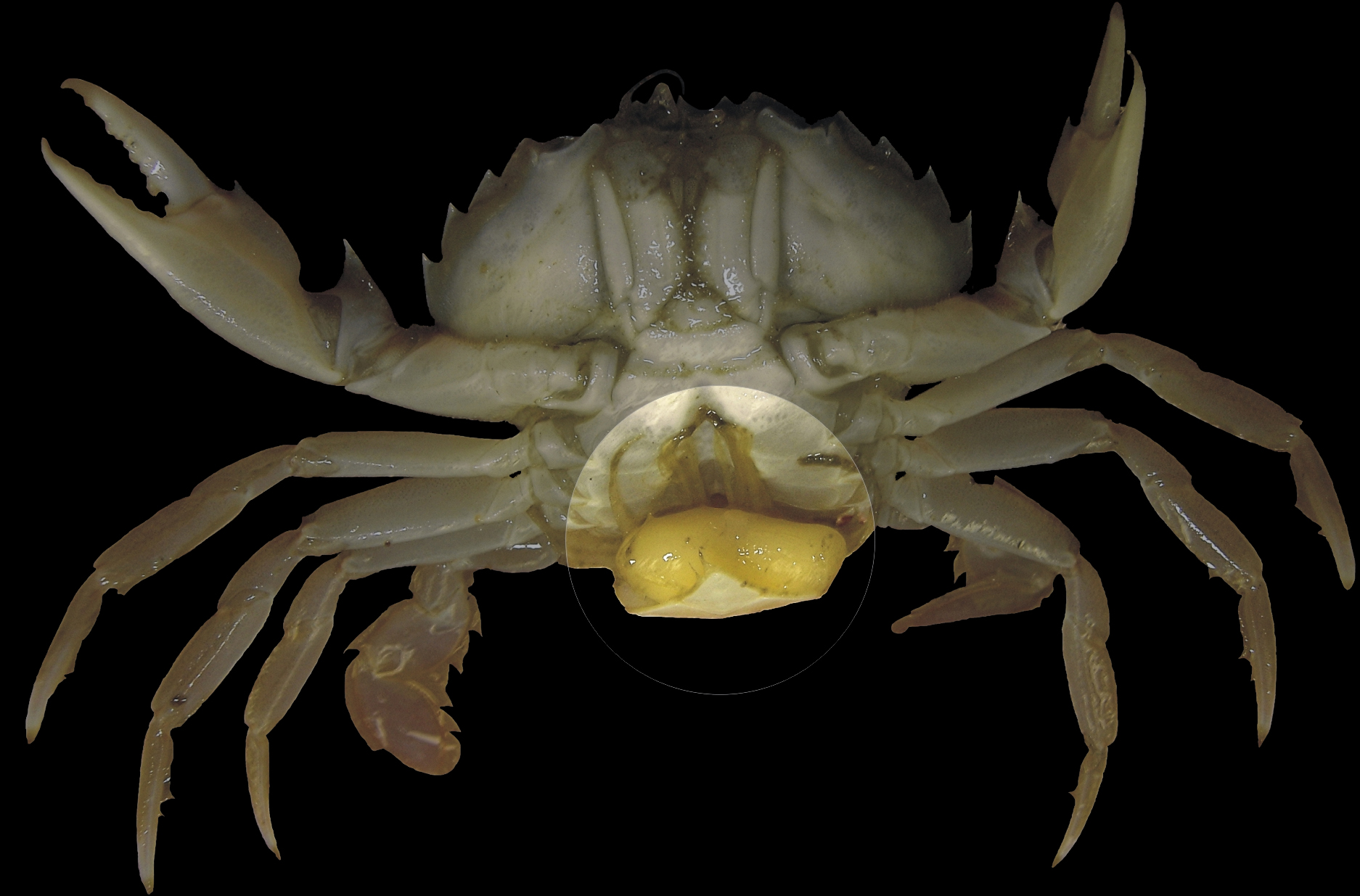
Sacculina is a genus of barnacle that parasitizes crabs. While most parasitic barnacles are perfectly happy growing on the carapace of a crab, Sacculina takes this partnership to the extreme.

Female Sacculina larvae drift through the ocean, until they encounter a crab. The larva then settles on the crab and searches for a joint in the crab’s carapace. Once it finds a gap in the arthropod’s armor, it transforms into a kentrogon, a specialized phase of the barnacle life cycle that possess a stylet–an organic syringe-like structure–which allows Sacculina to inject itself into the crab, and not much else. At this point, the hard shell attached to the crab’s carapace falls off and the barnacle continues to grown within its host.

It gets so much weirder from here.

Read More “The Last of Us zombie fungus has nothing on the brain-eating, sex-changing, Sacculina barnacle.” »

22 things scientists learned about sharks in 2022

Posted on December 16, 2022 By David Shiffman
Science

2022 has been a weird year for humans, but it was a very interesting year for sharks! Shark species representing 90% of the global shark fin trade got listed on CITES Appendix II, which will require strict regulation, documentation, and dramatically improved sustainability of their fisheries. The once-every-four-years Sharks International conference was held in Valencia, Spain, and recordings of all talks are available until summer 2023. And sharks even made it into one of those “what Fox News is showing instead of current events that are bad for Republicans” memes!

There were also a lot of fascinating scientific discoveries, which this post will round up for you. As always, this is not meant to be a “best” or “top” list, so if your science isn’t included here please do not send angry letters. This is just some cool stuff I learned this year thanks to my amazing colleagues, in no particular order. Whenever possible I’ll also provide links to further reading on the topic. I hope you enjoy!

Read More “22 things scientists learned about sharks in 2022” »

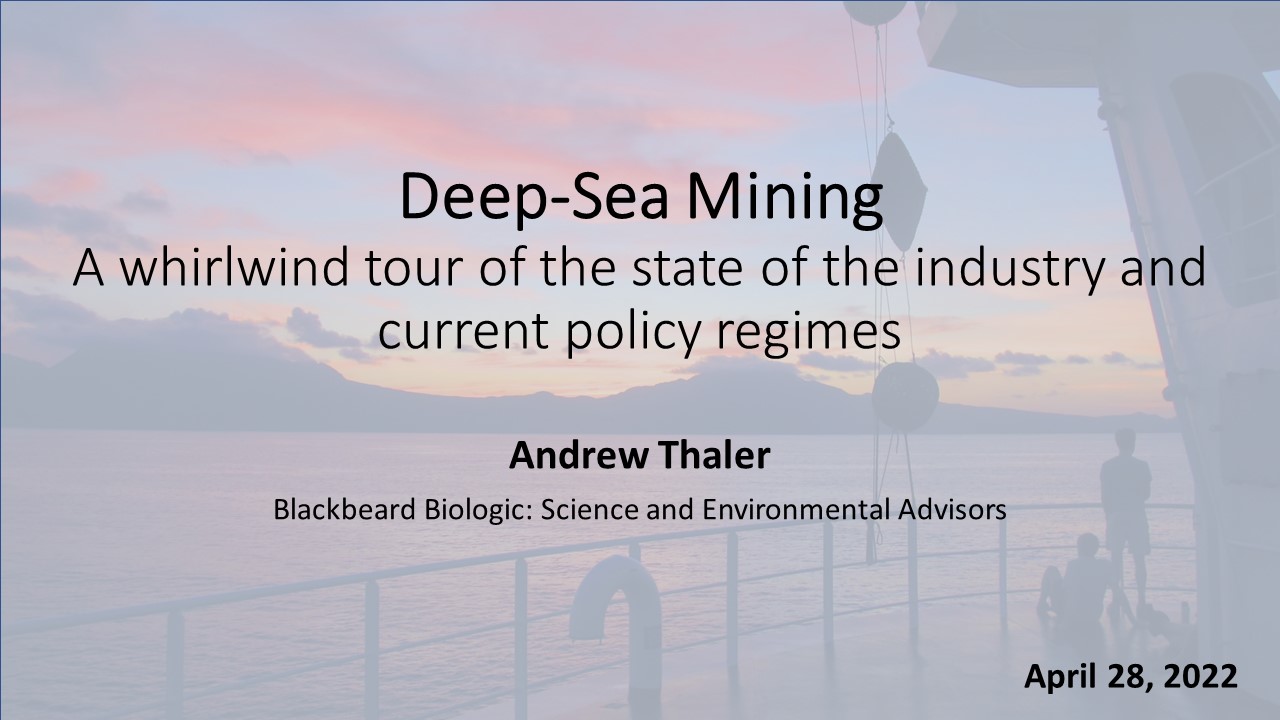
Deep-Sea Mining: A whirlwind tour of the state of the industry and current policy regimes

Posted on September 23, 2022October 4, 2022 By Andrew Thaler
Science

On April 28, 2022, I was invited to give a short talk to a gathering of Environmental NGO representatives to provide an overview and my perspective on the current state of development for deep-sea mining. Below is the transcript of that talk.

Good afternoon and thank you for inviting me. Today I’m going to give you a very brief whirlwind tour of the current state of deep-sea mining and the policy regime around this developing industry.

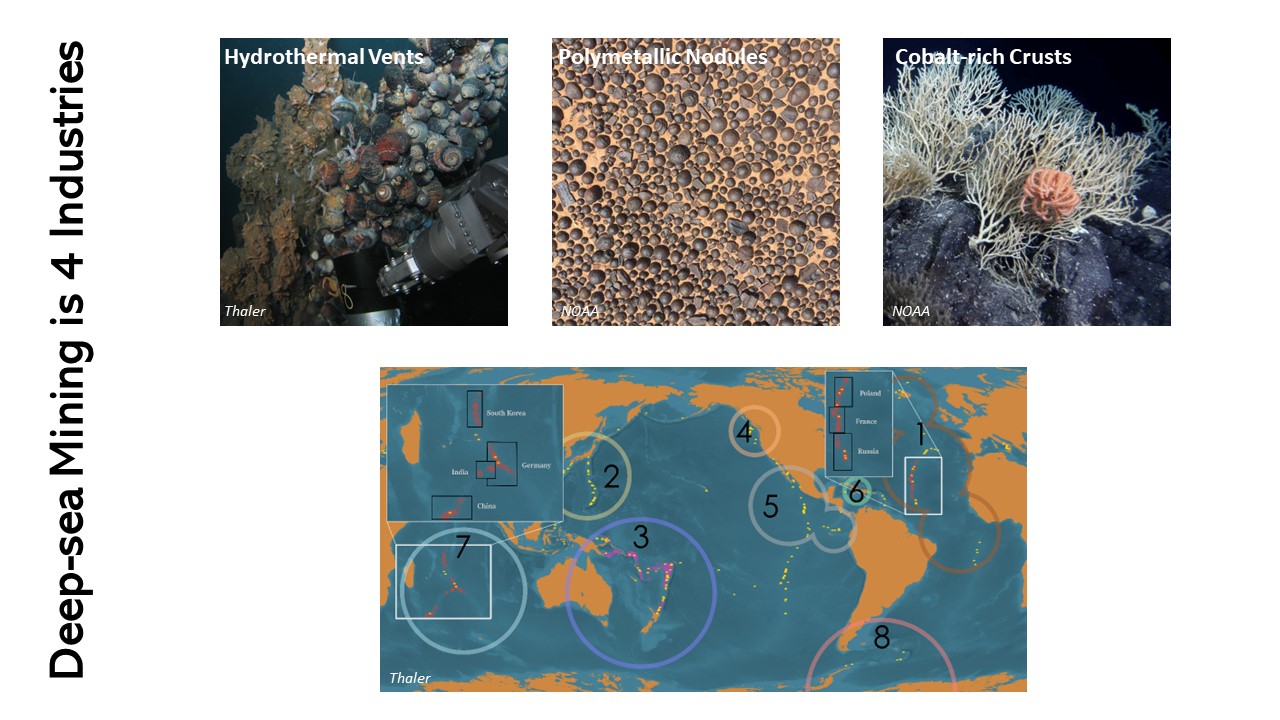
The first thing I need to highlight is that we often talk about deep-sea mining as one cohesive thing, but it’s really four separate and distinct industries, all developing in tandem, with significant differences in the types of metals targeted, the technology necessary to exploit those metals, and the motivations for doing so.

Read More “Deep-Sea Mining: A whirlwind tour of the state of the industry and current policy regimes” »

Two Years of Deep-sea Mining in Review: For Deep-sea mining, battery technology is the ultimate x-factor

Posted on March 20, 2022March 21, 2022 By Andrew Thaler
Two Years of Deep-sea Mining in Review: For Deep-sea mining, battery technology is the ultimate x-factor
Science

As in-person negotiations on the future of exploitation in the deep ocean resume this week in Kingston Jamaica, we reflect back on the last two years of development as reported on our sister site, the Deep-sea Mining Observer. This article first appeared on August 26, 2021.


Deep-sea mining is frequently framed as a race to the seafloor. While that is not technically true–deep-sea mining has, in fact, been incredibly slow to develop as an industry, with nearly half a century of technological innovation, diplomatic negotiation, and environmental exploration under its belt without producing a single ounce of commercial ore–the deep-sea mining industry is in a race against the one major technological innovation that could upend the industry’s claim to being a foundational technology for the renewable resource transition. 

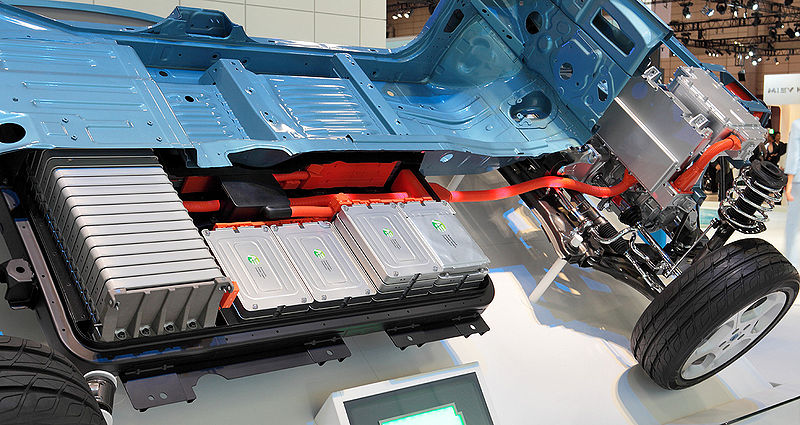
The race is not to the bottom of the sea before fossil fuel consumption creates runaway global warming (with a 30-year-horizon, deep-sea mining is well positioned to facilitate the long-term transition to renewables, but is unlikely to make a major impact in the resource demands needed to meat the IPCC 2030 targets). The race is to reach commercial production before the evolving state of battery technology renders the majority of seabed resources superfluous. Battery chemistry is the x-factor that will shape the long-term prospects for the viability of deep-sea mining. 

Read More “Two Years of Deep-sea Mining in Review: For Deep-sea mining, battery technology is the ultimate x-factor” »

Posts pagination

Previous 1 … 5 6 7 … 81 Next

Popular Posts

What Ocean Ramsey does is not shark science or conservation: some brief thoughts on "the Shark Whisperer" documentaryWhat Ocean Ramsey does is not shark science or conservation: some brief thoughts on "the Shark Whisperer" documentaryJuly 2, 2025David Shiffman
At least 74 practicing shark researchers: How a silly thing I said online raised thousands for conservationAt least 74 practicing shark researchers: How a silly thing I said online raised thousands for conservationFebruary 26, 2025David Shiffman
Alberta, Canada is the proud owner of the largest man-made pyramid on the planetAlberta, Canada is the proud owner of the largest man-made pyramid on the planetOctober 16, 2012Andrew Thaler
That's not a blobfish: Deep Sea Social Media is Flooded by AI SlopThat's not a blobfish: Deep Sea Social Media is Flooded by AI SlopDecember 19, 2025Andrew Thaler
Here are some ocean conservation technologies that I'm excited aboutHere are some ocean conservation technologies that I'm excited aboutFebruary 19, 2026David Shiffman
Shark of Darkness: Wrath of Submarine is a fake documentaryShark of Darkness: Wrath of Submarine is a fake documentaryAugust 10, 2014Michelle Jewell
The story of the pride flag made from NASA imagery: Bluesky's most-liked imageThe story of the pride flag made from NASA imagery: Bluesky's most-liked imageSeptember 27, 2024David Shiffman
Here's what I teach my students about finding jobs in marine biology and conservationHere's what I teach my students about finding jobs in marine biology and conservationApril 10, 2024David Shiffman
A quick and dirty guide to making custom feeds on BlueskyA quick and dirty guide to making custom feeds on BlueskyFebruary 7, 2024Andrew Thaler
The Urgency Does Not Exist: My statement on Deep-sea Mining to the Subcommittee on Energy and Mineral ResourcesThe Urgency Does Not Exist: My statement on Deep-sea Mining to the Subcommittee on Energy and Mineral ResourcesJanuary 24, 2026Andrew Thaler
Subscribe to our RSS Feed for updates whenever new articles are published.

We recommend Feedly for RSS management. It's like Google Reader, except it still exists.

Southern Fried Science

  • Home
  • About SFS
  • Authors
  • Support SFS


If you enjoy Southern Fried Science, consider contributing to our Patreon campaign.

Copyright © 2026 Southern Fried Science.

Theme: Oceanly Premium by ScriptsTown