 Fisheries had their ups and downs in the US in 2012. We’ve all heard the stories of overfishing, but there were also a few glimmers of hope as the New England cod fishery proposed to open previously closed areas, the Chesapeake oysters showed slight recovery, and MSC certification expanded and became more popular. News on the social side of the fishery – the fishermen and their families – is not as prevalent outside the small towns where they live. However, some of the most exciting developments happened on this front, starting with official community supported fisheries declaring themselves here to stay. They held a successful summit in New Hampshire this past July, placing them more in the public eye than ever before.
A quote from the press release summed up the goal of CSF’s well:
“Community Supported Fisheries – whether in Downeast Maine or down east North Carolina – seek to reconnect coastal communities to their food system, encourage sustainable fishing practices, and strengthen relationships between fishermen and communities,” said Niaz Dorry, coordinating director of the Northwest Atlantic Marine Alliance.
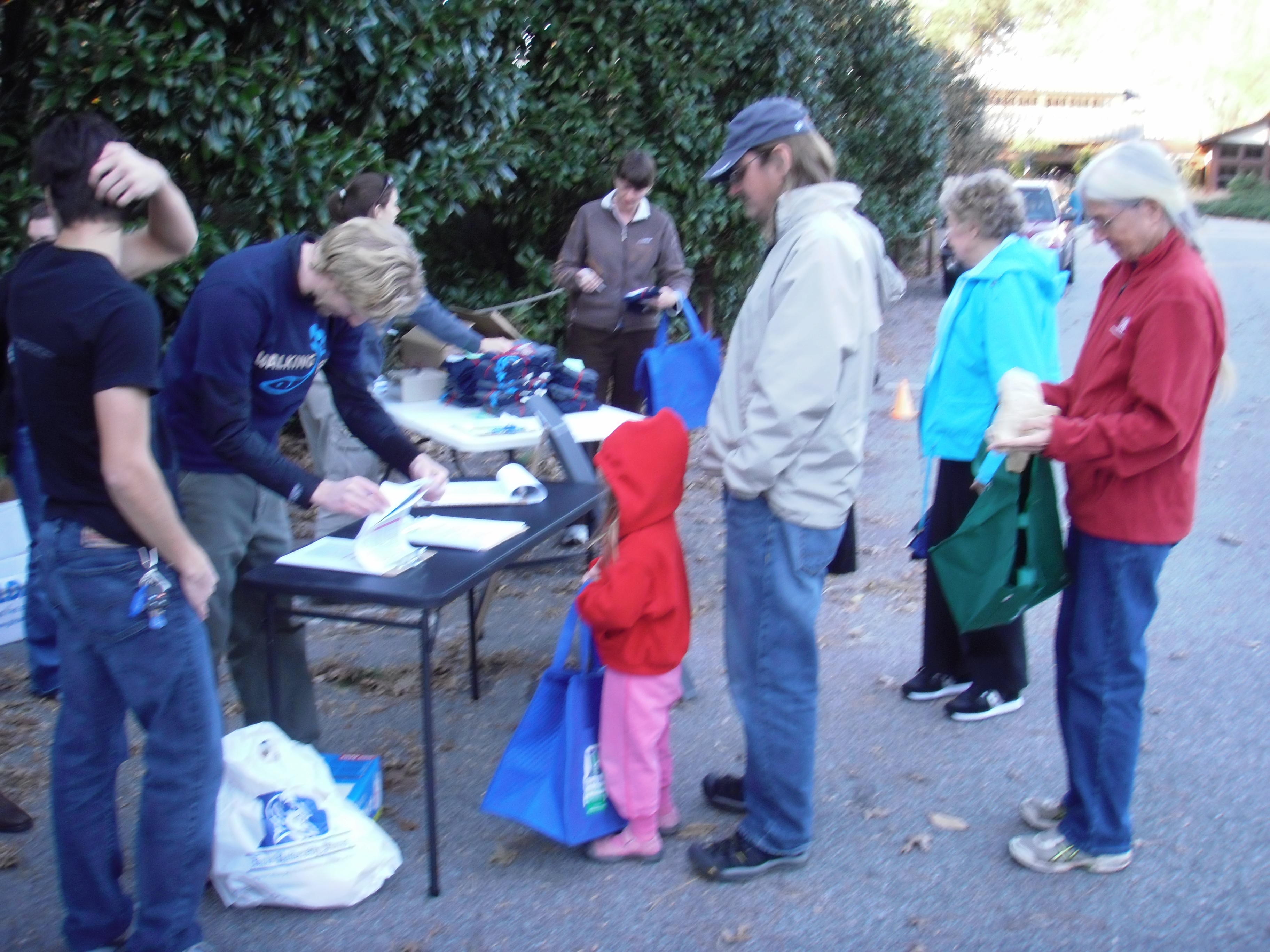
Fundamentally, CSF’s offer customers a “share” of fisher’s (or group of fishers) catch, paying at the beginning of the season. That offers the fishers a chance to have capital early to mend nets, repair boats, and plan for the coming season. Customers meet a CSF representative weekly or bi-weekly to pick up their share and perhaps learn about how to prepare the seafood and something about the catch. Many offer websites and profiles of the fishers and region from where the fish comes. The process attaches a face to where your food comes from.
Here’s a video reflection on the first ever CSF summit this past summer in New Hampshire:
httpv://www.youtube.com/watch?v=bDEOWiFtbYM
If that sounds a lot like your local farm share, or Community-Supported Agriculture, you’re right. CSFs learned much from the challenges CSAs face, especially regarding business models. And there are many unique challenges to fish as opposed to lettuce and carrots, such as safe seafood handling. The summit focused on these, aiming to provide resources to the many upstart CSFs popping up around North America by creating a network of people who have learned from their early experiences.
Some of the challenges participants in the summit hope to tackle in the future include dealing with a complex matrix of changing regulations. CSFs fall across a number of potential regulations, and interpretation of these policies is different depending on the state or municipality. Transporting the model from North Carolina, say, to California, isn’t a direct slide.
Another big challenge is deciding on transportation – should consumers meet the boat at the dock or should CSFs tap into more inland urban markets? How far is too far inland to drive the seafood every week? What technology is needed to keep the fish cold from boat to consumers’ house? Each CSF thus far has answered these questions differently.
Finally, there’s liability insurance. We all know we live in a litigious society, so insurance is a necessary precaution – but small-scale fishers don’t have the buying power to negotiate an affordable plan. Teaming up with farmer’s markets is an option in some places, but not all. Access and payment for legal services, both for paperwork and potential liability, is also desired.
Through all of the challenges, though, fishers have found ways to meet the ever-growing demand for local seafood. If you’re curious about your region of the country, check out Local Catch, where summaries and reflections of the summit are also posted. There’s new CSFs that pop up all the time. With demand from both fishers and consumers to make CSF arrangements work, there’s high hopes for the future.
Here’s the optimism so rarely associated with fisheries – many CSFs aim for environmental and community stewardship. While these are hard goals to tangibly define, the one thing every CSF offers is a chance to learn about where your food comes from, the environment that supports it, and the hardworking community of fishers and their families that connect consumers to marine resources. In in era where seafood is commonly mislabeled and small-scale fishers struggle to make a living wage, CSFs offer a chance to shake up the broken seafood business world. That’s never a bad thing.
This is a great idea. In San Diego was have a company called Catalina Seafood. The were mostly a wholesaler but the manager Tommy Gomes decided to sell to the public a few hours a day, and it became so popular they recently they added on to their building and made a public area.
What’s so great is they partner with local chefs and have them teach recipes on Fridays and Saturdays. They tell you where the fish come from, source from small scale fishermen, tell you the health of the fish stocks, and then teach you how to use fish you might have otherwise overlooked.
One of the recipes I found convinced me to eat fresh dead sardines, (http://www.youtube.com/watch?v=C9xsaoDIwvU), which are the fish we use for bait in the San Diego fishing fleet. Teaching us how and why their good to eat, and then actually eating them was an interesting shift for me when I had thought of them as bait, but they tasted great.
This type of connection to the fish monger reminds me of the connection people used to have with their butcher, milk man, or other suppliers before the big boxes we shop in. I deeply respect the folks that make their living from the sea, it’s nice to see them working toward sustainable business models and being respected for their chosen livelihood.