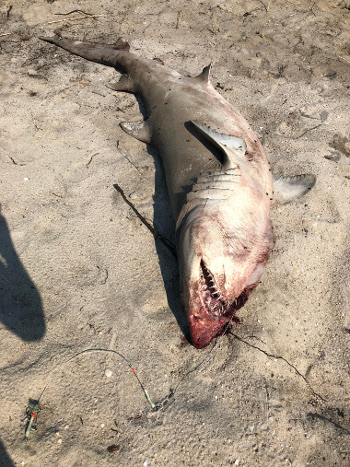
In 2011, the world’s first fishery for sharks was certified as sustainable by the Marine Stewardship Council*. The British Columbia spiny dogfish fishery made major news in fisheries management and ocean conservation world, where the possible existence of sustainable shark fisheries has been debated intensely. A few years later, the fishery voluntarily withdrew their certification, and never publicly said why.
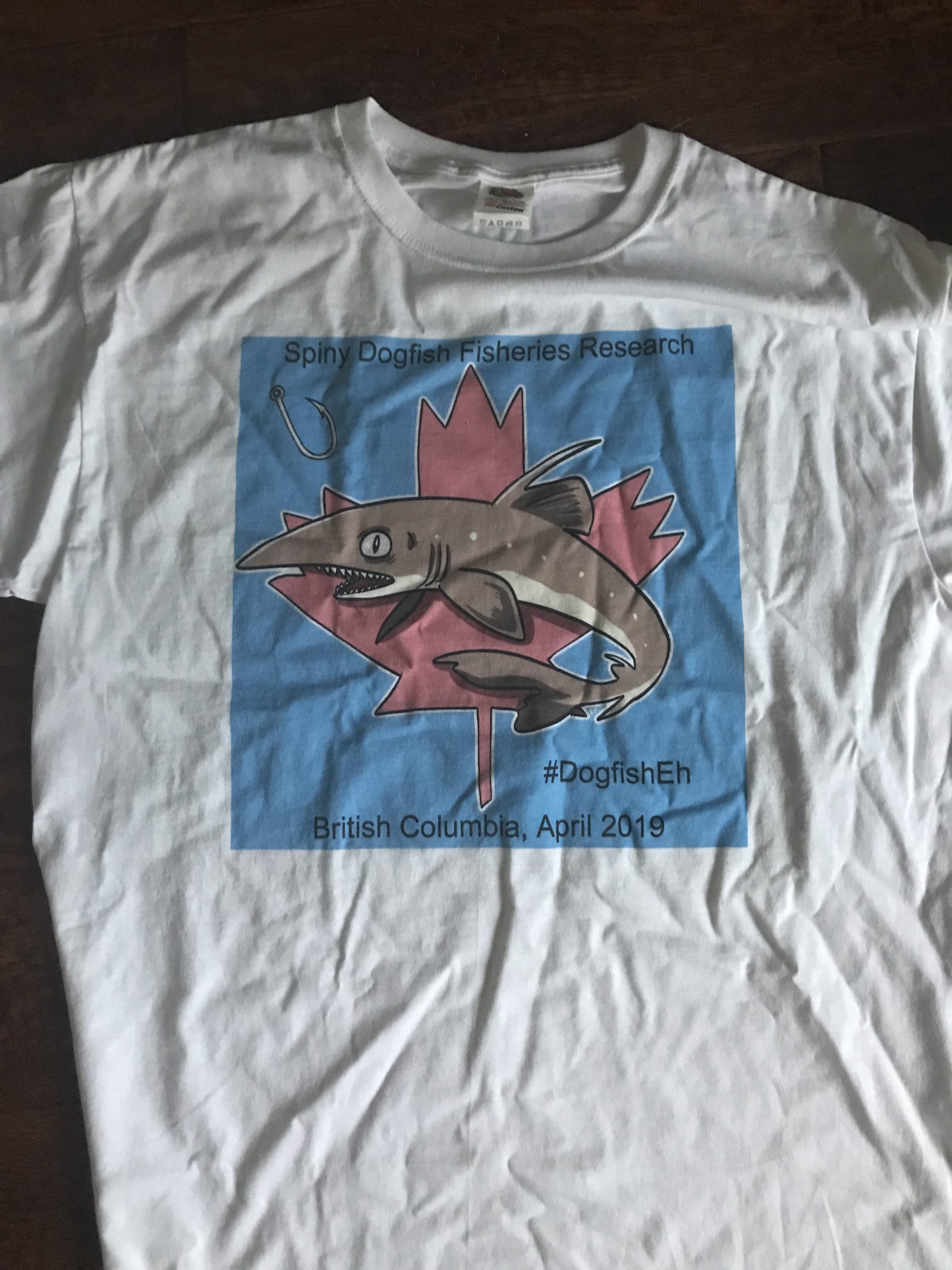
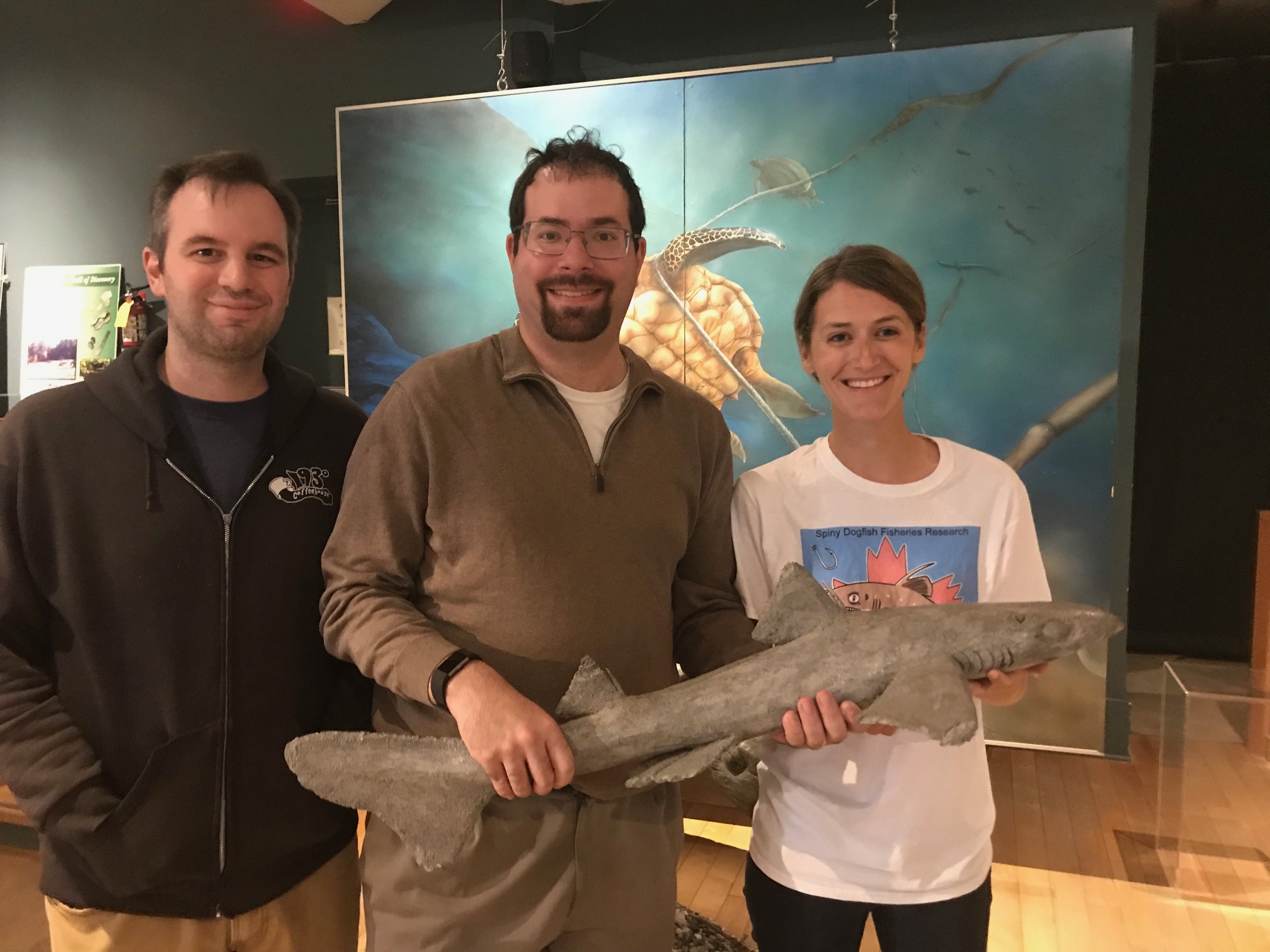
I wanted to know what happened with this scientific mystery. So, with the help of Chuck Bangley and Catherine Macdonald and funding support from the Liber Ero Postdoctoral Fellowship program, I organized a research expedition to find out. The results of our expedition can be found in our new paper (LINK,) (OPEN ACCESS AUTHOR COPY) but in this blog post, I’d like to explain what we did, what we found, and why we think it’s important.
Usually when fisheries shut down, it’s because of one of a few causes. The stock could collapse, meaning there’s no more fish to catch (or at least not enough to sustain the fishery). That didn’t happen here, British Columbia dogfish populations are as healthy as ever and fishermen still catch them all the time- they just throw them back. Sometimes markets shift and people just don’t want to buy something anymore, but that didn’t happen here either. Global markets for dogfish products are thriving, including many of the places where BC dogfish used to be exported to, and other dogfish fisheries in North America are still actively fishing. Sometimes the government might shut down a fishery because of environmental concerns related to bycatch or habitat destruction, and that didn’t happen here either. So what DID happen here?

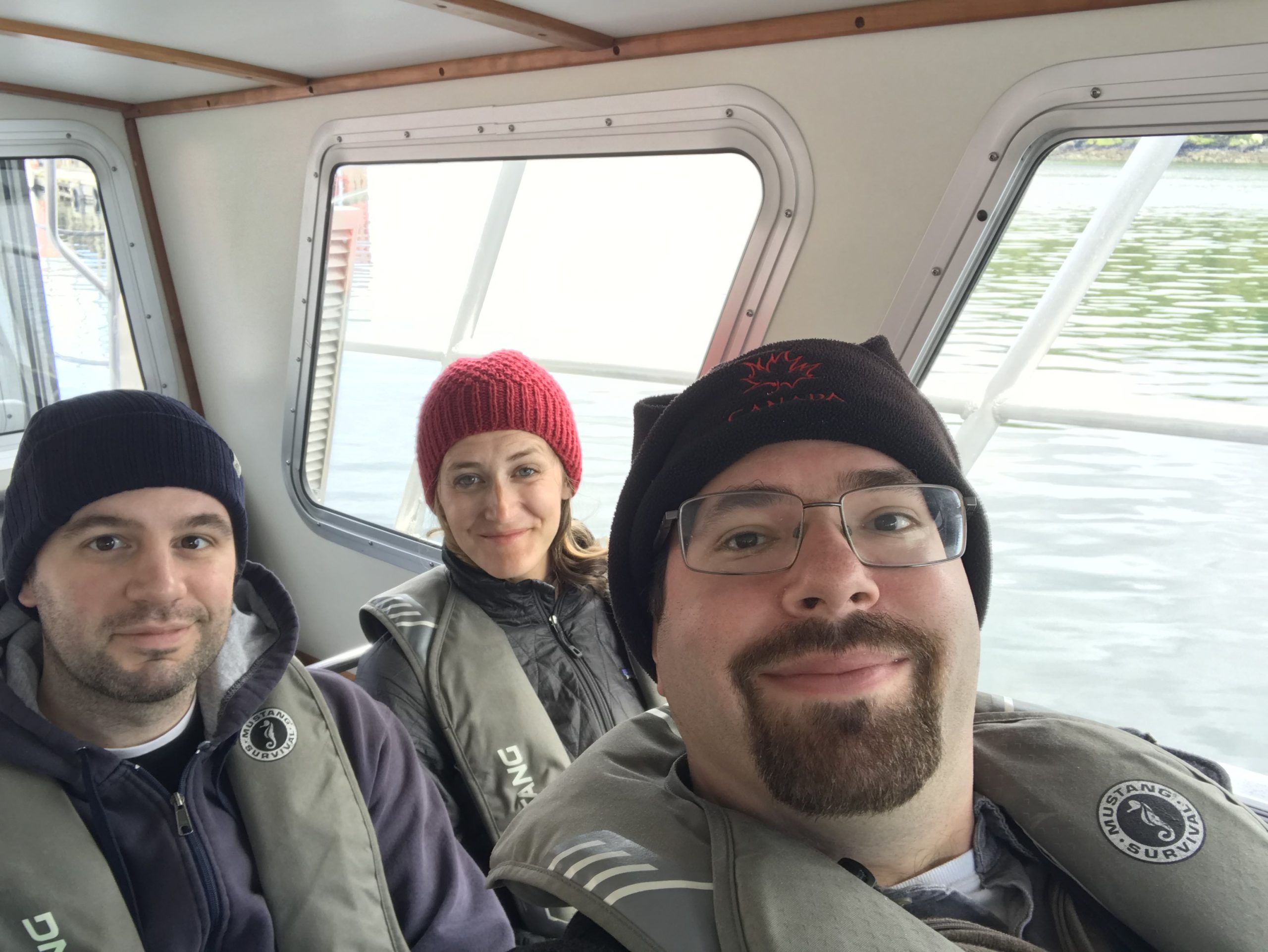
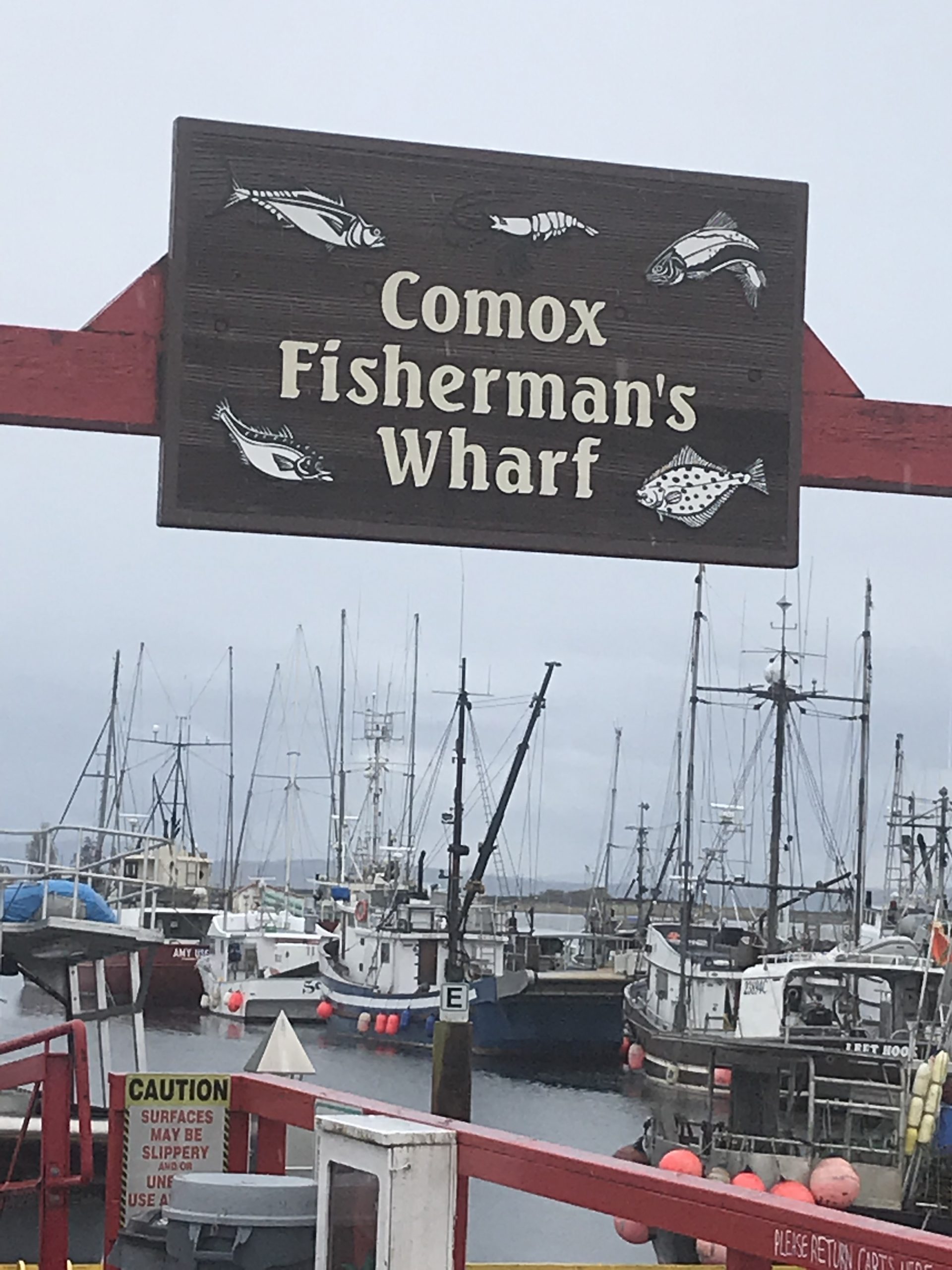
Catherine, Chuck and I spent two weeks traveling all around beautiful coastal British Columbia interviewing people who we thought would know what happened. We spoke with commercial fishers, representatives from provincial and Federal government agencies, fish market owners, and environmentalists. Amazingly, almost everyone proposed a different explanation for what happened—and almost all of them appear to have some truth to them!
Some of our interview subjects mentioned that the unusual warm water called “the blob” a few years ago resulted in a temporary disruption of local fish stocks, including dogfish which temporarily went north. We obtained and analyzed dogfish distribution data from a fisheries industry survey and found that there’s some truth to this!
Changes to how BC managed its fisheries, called “integration,” meant that there were no longer halibut fishermen, salmon fishermen, dogfish fishermen, etc. Now, any fisher can get permits to catch, land, and sell anything. This reduces discards of unwanted catch and is much more economically efficient, but it meant that dogfish boats were now free to go after more valuable fish. It also meant that smaller independent fishing operations were less common, as buying quota is expensive—increasingly, large companies buy quota and run a fleet of fishing vessels.
Some of our interview subjects suggested that sustainable Canadian shark fisheries were caught in the crossfire of overly broad shark conservation campaigns. One was surprised to find himself targeted by people protesting shark finning, since shark finning was illegal in Canada already. “People said we shouldn’t be doing shark finning here… well, we’re not!” he told us. Activist pressure on shipping companies transporting shark products and seafood markets selling shark products may also have contributed to fluctuations in demand. It’s worth noting here that several of our interview subjects hadn’t seen or heard any evidence of this, or didn’t think it was likely to be a big issue because they believe that few Canadians knew that dogfish was shark, or that Canada had any shark fisheries to speak of.
Representatives from the sustainable seafood industry told us that the fishery may have simply been too early, ahead of its time. Nowadays, eco-conscious consumers are willing to pay more for sustainable seafood, but that wasn’t the case in 2011, at least not to the same degree. It costs more to fish sustainably, and if fishers can’t get more money from consumers, there’s much less incentive for them to do things the right way. Interestingly, OceanWise, a leading Canadian sustainable seafood organization, didn’t list BC dogfish as sustainable in 2011, but told us that the same fishery would now qualify due to changes in how these determinations are made that have since occurred.
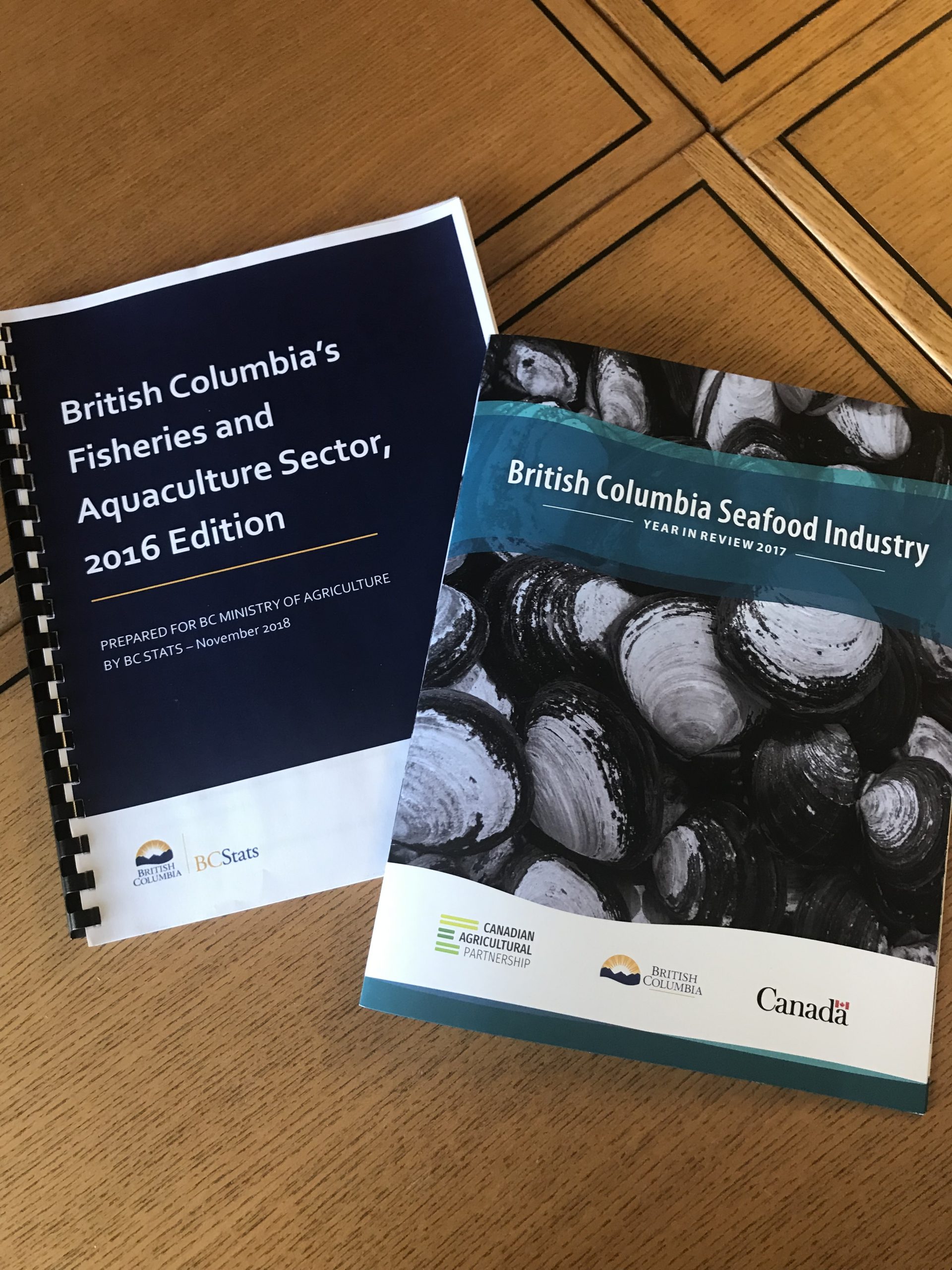
The economics of the fishery itself were complex, and making the fishery profitable required selling different parts of the dogfish to different markets. The meat was sent to England for fish and chips. The belly flap meat was sent to Germany where it’s smoked and used as a pub snack. Some of the fins were sold for shark fin soup. The liver oil was used for some nutritional supplements, and the rest of them was ground up and used to make fertilizer, which one of our interview subjects said was the worst thing he ever smelled in his life, but another said made the best tomatoes he’d ever grown. Processing caught dogfish for resale was especially complicated-due to the tough skin on dogfish, processing required specialized tools used by people with extensive training. Individual dogfish aren’t that valuable, and this was a “volume fishery” that only made a profit via economies of scale.
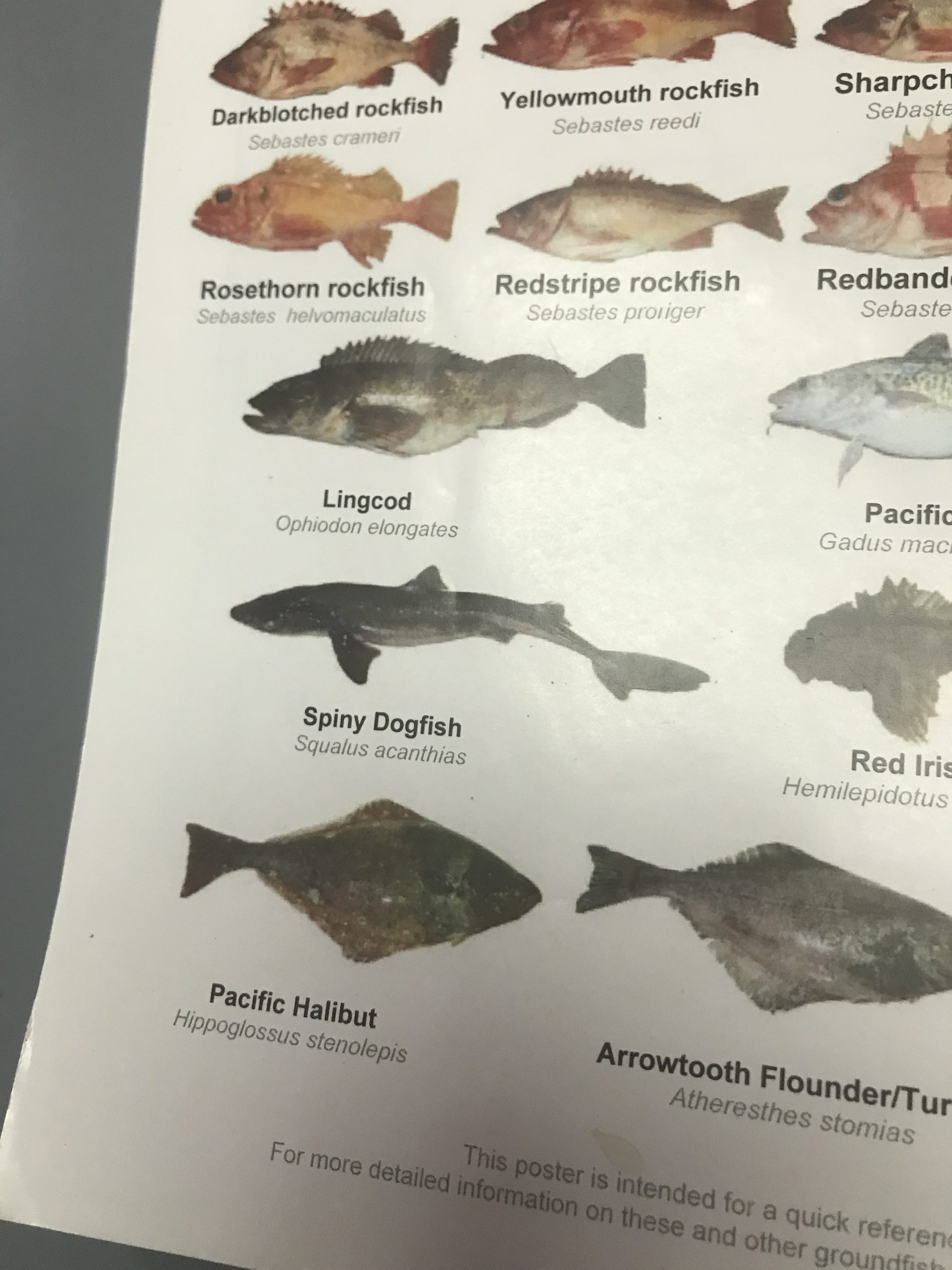
When one large seafood company purchased many of the once-independent fish processing operations in coastal BC, they decided that such a complex and low profit margin fishery wasn’t worth it, and they shut down the remaining dogfish processing lines. Even with lots of dogfish in the water, a revised quota process that makes it easier for anyone to catch and sell dogfish, and thriving global markets, if there’s no one in the area to process dogfish, fishers can’t sell them.

We also asked our interview subjects if they thought the largely-shuttered fishery could ever restart. Most of them said that with a processor in place, this could happen—after all, the dogfish are there and fishers are still catching plenty of them, and international demand is as high as ever.
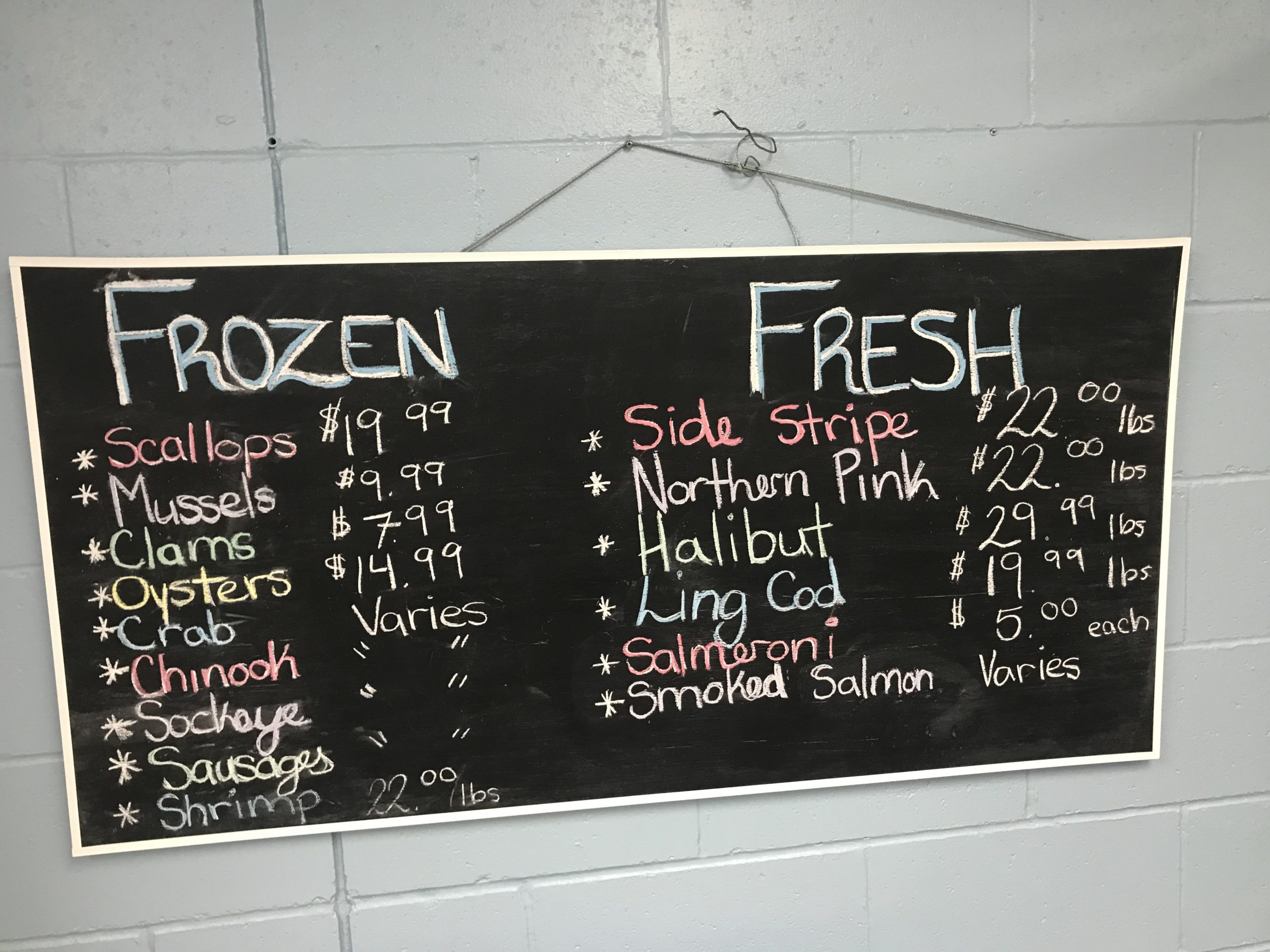
So what happened to the world’s first certified sustainable dogfish fishery? A lot of things—but none of them had anything to do with the sustainability of this shark fishery!
We hope that fisheries and conservation nerds enjoy reading this story as much as we enjoyed researching and writing it!
*I worked as a fisheries scientist for the Marine Stewardship Council from 2020-2022, but this project was completed long before I applied for or even heard about that job.