Skip to content

Southern Fried Science

Over 15 years of ocean science and conservation online

  • Home
  • About SFS
  • Authors
  • Support SFS

The sorting hat of conservation

Posted on August 1, 2017 By Chris Parsons
Conservation, Popular Culture

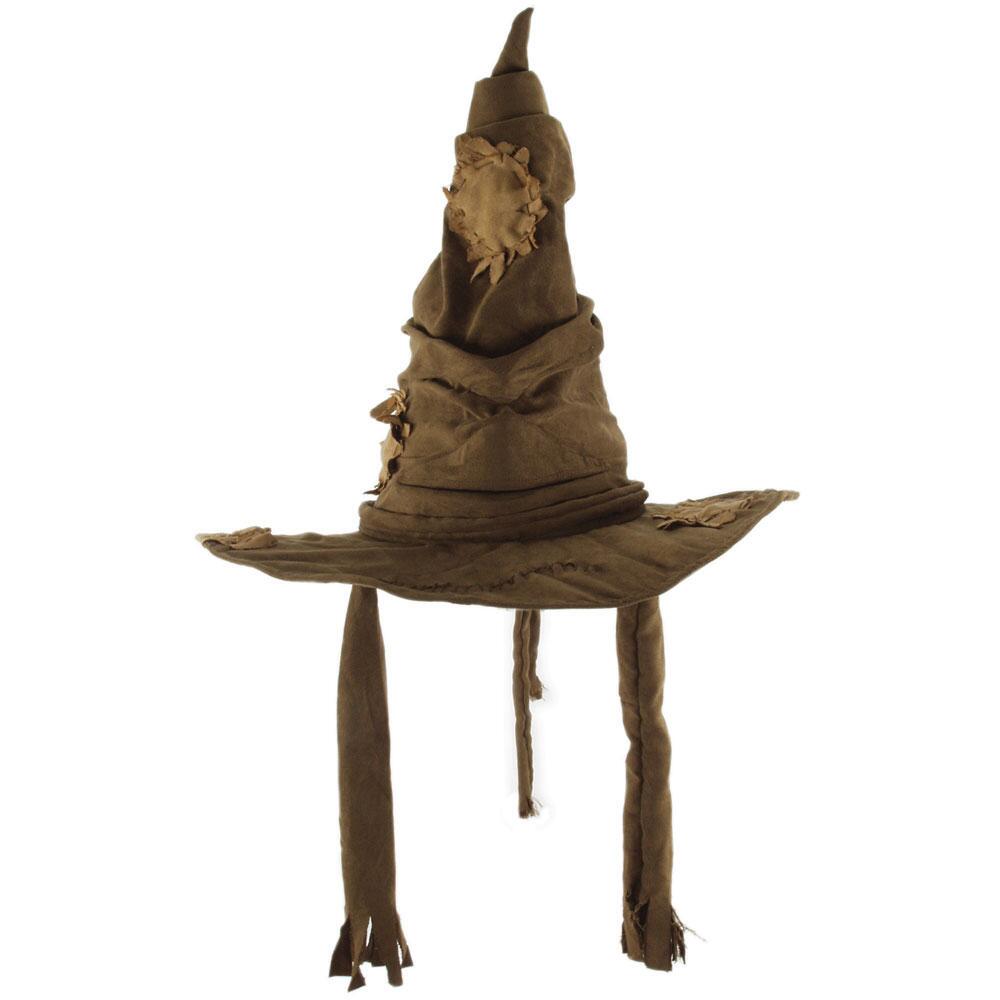
The Hogwarts Sorting Hat divides students into their respective houses in their first year at the school of witchcraft and wizardry. Each house is known for having its own “personality.” In addition to potential wizards/witches, one can also sort those involved in conservation into the four Hogwarts houses.

  • Hufflepuff – This house stands for dedication and hard work, but also patience, tolerance, fair play and kindness. Most conservationists working in NGOs, especially those related to protection of megafauna species, are Hufflepuffs. One famous Hufflepuff was Newton Scamander, a socially awkward wizard who took it upon himself to try to save endangered magical creatures, when others just saw them as pests. Most of the herbology teachers at Hogwarts were Hufflepuffs (Neville Longbottom being a notable exception).

  • Ravenclaw – The traits shown by Ravenclaw house members include intelligence, wisdom, originality, individuality and creativity. Unsurprisingly many of the best conservationists in academia tend to be Ravenclaws. Their individuality sometimes leads them to work on their own. However, they often prefer to remain in the ivory tower. EO Wilson and Brian Cox are famous members of Ravenclaw.

  • Slytherin – Although members of Slytherin are often viewed as “bad” or “mean,” the traits associated with Slytherin are cleverness/cunning, resourcefulness, ambition and determination. It’s this combination of doggedness/stubbornness and clever resourcefulness that often lead Sytherins to be successful conservationists. They may see an opportunity where others do not, but they may also keep pushing at an issue when others accept they have failed. Fraternity is also a trait of Slytherins, and they may also provide vital support when it comes down to “them versus us”. Many conservation leaders and conservationists with a high media profile are Slytherins because of this combination of cleverness, drive, and determination. However, the dark side of ambition can sometimes take over Slytherins and their egos can sometimes get out of control. A famous academic Slytherins is Richard Dawkins. Notable Slytherins in conservation include @WhySharksMatter and @Craken_MacCraic, so they can’t be all bad.

  • Gryffindor – The characteristics of Gryffindors include bravery, courage, honor and daring. These characteristics often lead Gryffindors to take on battles that might not be the best battles, or may even be the wrong battles. Many high profile conservation advocates, activists and campaigners are Gryffindors, as are many rangers and field conservationists. Famous Gryffindors include Rachel Carson and Lee Talbot (see below).

Ultimately, effective conservation needs a team, and a perfect mix are members from each of the Hogwarts houses: Ravenclaws for meticulous science, Slytherins for drive and resourcefulness, Gryffindors for knowing when to make the bold, brave move and being  unafraid of confrontation, and Hufflepuffs for holding the group together and ensuring that the hard work is done and done properly.
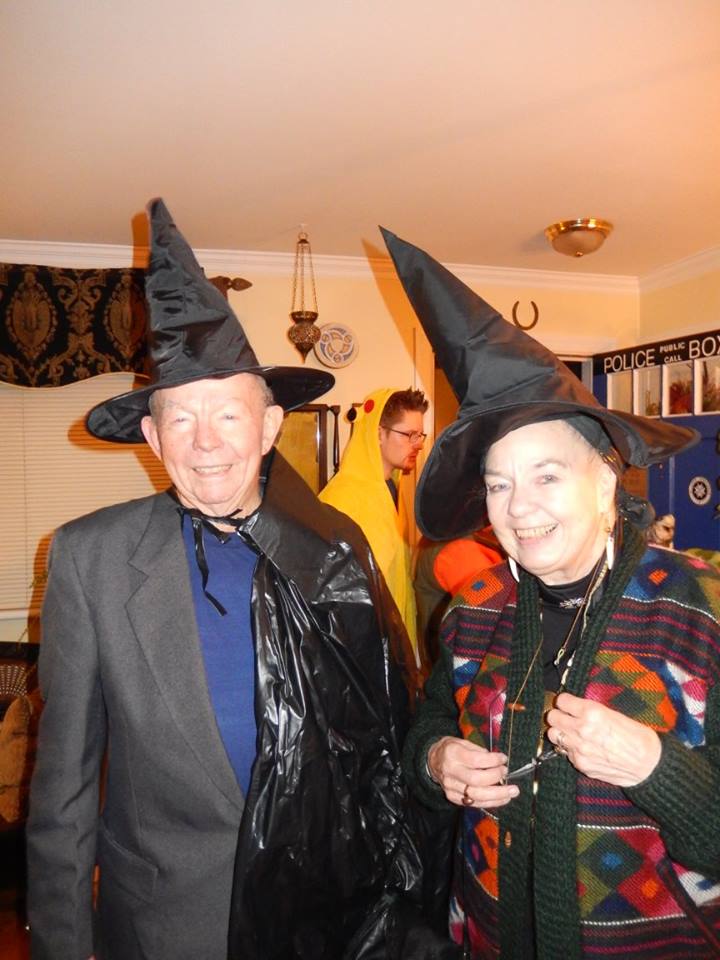

 

Lee Talbot, the first staff ecologist for the IUCN, the deviser of CITES and co-author of the US Endangered Species Act and Marine Mammal Protection Act in his wizard regalia.

Share this:

  • Share on Bluesky (Opens in new window) Bluesky
  • Share on Facebook (Opens in new window) Facebook
  • Share on Reddit (Opens in new window) Reddit
  • Share on Threads (Opens in new window) Threads
  • Share on WhatsApp (Opens in new window) WhatsApp
  • Share on Mastodon (Opens in new window) Mastodon

Related

Tags: Conservation Gryffindor Harry Potter Hogwarts Hufflepuff Personality traits Ravenclaw Slytherin Sorting hat

Post navigation

❮ Previous Post: The Game of Thrones – is this real life, or is this just fantasy…?
Next Post: Seals in the Thames, killing boto to catch catfish, and animal screams: Thursday Afternoon Dredging: August 3, 2017 ❯

You may also like

Weekly Salvage
Save our Marine Monuments, replace confederates with ocean animals, worlds of plastic, and more! Monday Morning Salvage: July 31, 2017
July 31, 2017
Conservation
Better Conservation through Cloning: this cock doesn’t crow
December 7, 2011
Conservation
Unhappy feet – why we need more than a day of penguin awareness
January 22, 2015
Conservation
One of the world’s rarest birds is also the squee-est
August 19, 2015

Popular Posts

That's not a blobfish: Deep Sea Social Media is Flooded by AI SlopThat's not a blobfish: Deep Sea Social Media is Flooded by AI SlopDecember 19, 2025Andrew Thaler
What Ocean Ramsey does is not shark science or conservation: some brief thoughts on "the Shark Whisperer" documentaryWhat Ocean Ramsey does is not shark science or conservation: some brief thoughts on "the Shark Whisperer" documentaryJuly 2, 2025David Shiffman
Screaming into the void - Why your scientific paper doesn’t matterScreaming into the void - Why your scientific paper doesn’t matterJune 18, 2026Chris Parsons
I can serve on your graduate thesis committee. Here’s what you can expect of me, and what I expect in return.I can serve on your graduate thesis committee. Here’s what you can expect of me, and what I expect in return.October 16, 2025David Shiffman
Ageism in the conservation job marketAgeism in the conservation job marketJune 19, 2026Chris Parsons
The story of the pride flag made from NASA imagery: Bluesky's most-liked imageThe story of the pride flag made from NASA imagery: Bluesky's most-liked imageSeptember 27, 2024David Shiffman
Shark of Darkness: Wrath of Submarine is a fake documentaryShark of Darkness: Wrath of Submarine is a fake documentaryAugust 10, 2014Michelle Jewell
What is a Sand Shark?What is a Sand Shark?November 12, 2017Chuck Bangley
Fun facts and FAQs about Megalodon, Maryland's new (and definitely extinct) official state sharkFun facts and FAQs about Megalodon, Maryland's new (and definitely extinct) official state sharkApril 15, 2026David Shiffman
Our favorite sea monsters – Ningen (#4)Our favorite sea monsters – Ningen (#4)September 7, 2010Andrew Thaler
Subscribe to our RSS Feed for updates whenever new articles are published.

We recommend Feedly for RSS management. It's like Google Reader, except it still exists.

Southern Fried Science

  • Home
  • About SFS
  • Authors
  • Support SFS


If you enjoy Southern Fried Science, consider contributing to our Patreon campaign.

Copyright © 2026 Southern Fried Science.

Theme: Oceanly Premium by ScriptsTown