Skip to content

Southern Fried Science

Over 15 years of ocean science and conservation online

  • Home
  • About SFS
  • Authors
  • Support SFS

Built to Last: A Reflection on Environmentally Conscientious Woodworking

Posted on June 18, 2021January 8, 2024 By Andrew Thaler
Built to Last, Conservation

I make things. I make weird electronic things. I make scientific instrument things. And I make things out of wood. I make a lot of things out of wood. 

When I’m not working on marine conservation technology, educational programming, or high seas policy, I’m usually out back in the woodshop, building furniture, functional art, and other woodcrafts. This probably isn’t a surprise. For the last eleven years, one of the most popular articles at Southern Fried Science has been How to build a canoe from scratch on a graduate student stipend. 

Every few years, I turn an analytical eye on my hobbies, assessing the lifecycle of the materials I use, the sources of inefficiency, and, most importantly, how the practice of the craft aligns with or deviates from my personal environmental ethic. In other words, I do a sustainability audit on my recreational activities. For the last year, I’ve focused on understanding and improving the environmental impacts of my woodworking.

Sustainable is an odd word to describe a hobby. Recreational woodworking isn’t necessarily the kind of activity that draws heavy resource demand. It already leaves a fairly light footprint on the planet, and even with herculean efforts to reduce the environmental costs of woodworking, the average hobbyist, working alone in a shed, garage, or basement, will never yield more than a small reduction to the already low impacts of woodworking. But woodworking is unique in that the product of the craft, when produced thoughtfully and with foresight, can benefit the planet for generations.

Woodworking may already leave a light touch on the planet, but it can exact a heavy toll on the person. So far as humans are as much a part of the ecosystem as the forests we draw our trees from, the human health impacts of the materials and consumables we use also contribute to the sustainability of the craft. A solvent that’s bad for your brain is no better going down the drain. 

Sustainability isn’t just a tactic, it’s an ethic. Fostering an environmental ethic in the hobbies we pursue requires an interrogation of what we value in those hobbies, where trade-offs exist, and how the choices we make can contribute towards a stewardship vision of the future. So, I did what I always do. I made something. And somewhere along the way, this thing became a manifesto for environmentally conscientious woodworking.

Each section ended up being much bigger than our regular blog posts, so rather than drop 10,000 words of lumber musings on you all at once, I’ve broken it into manageable chunks to be published periodically.

Part 1: I turned my woodshop into a personal solar farm.

Part 2: Getting a handle on workworking chemicals, or sometimes we all need to vent.

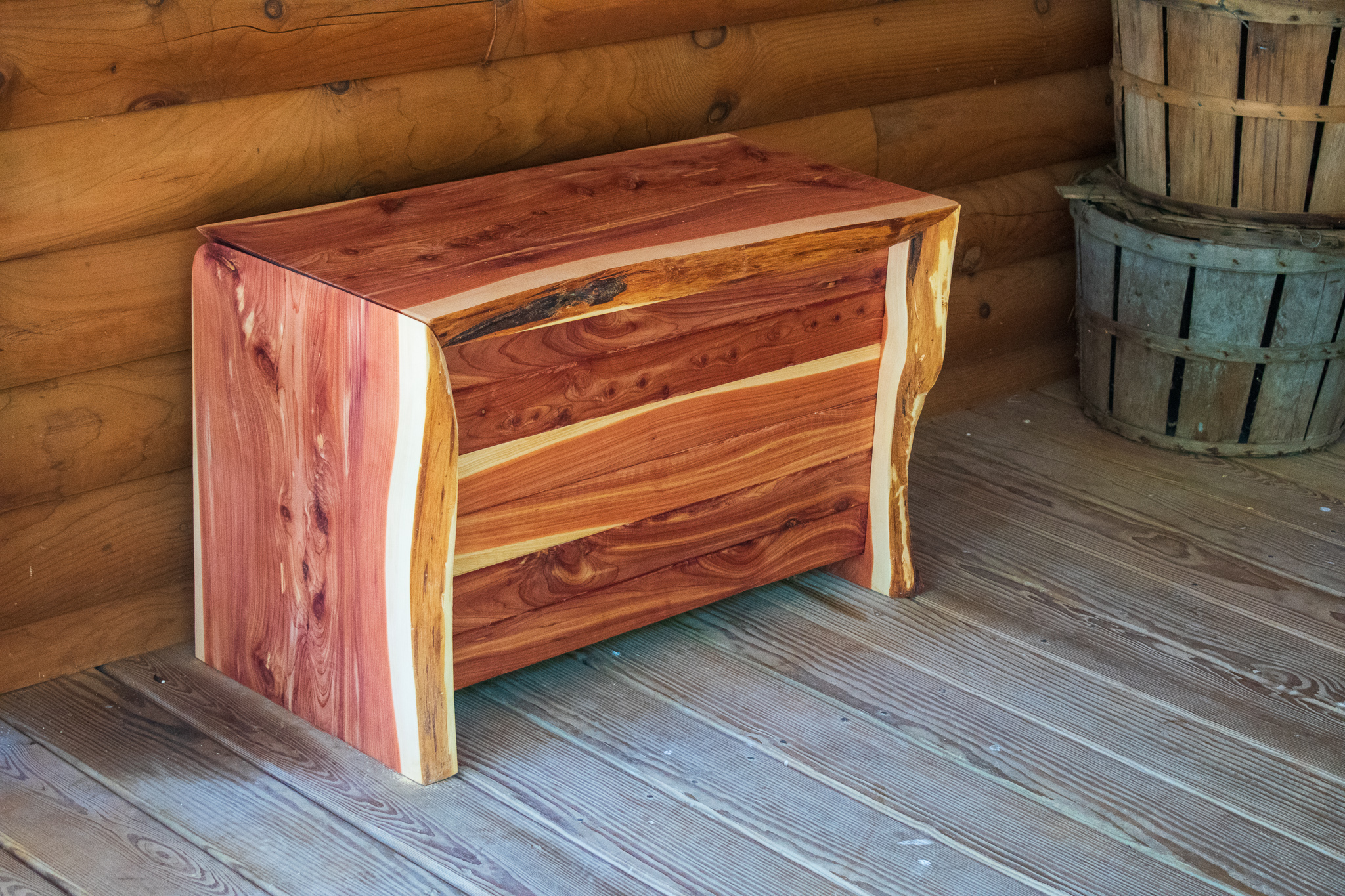
Part 3: Furniture as Revolution.
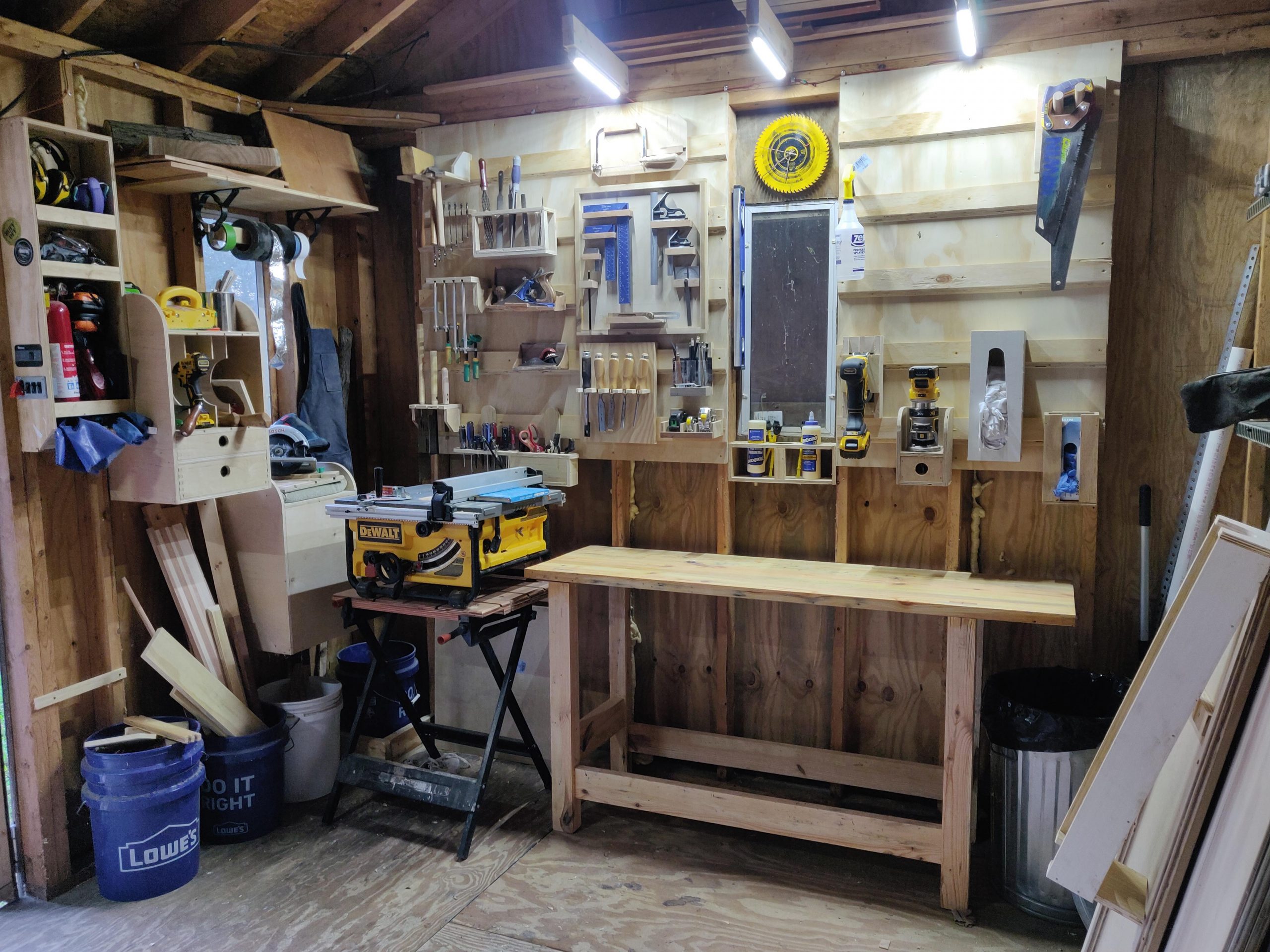
Part 4: The best tool for the job is you

A good joint is built to last: archaeologists uncover evidence for the earliest structural use of wood.

Share this:

  • Share on Bluesky (Opens in new window) Bluesky
  • Share on Facebook (Opens in new window) Facebook
  • Share on Reddit (Opens in new window) Reddit
  • Share on Threads (Opens in new window) Threads
  • Share on WhatsApp (Opens in new window) WhatsApp
  • Share on Mastodon (Opens in new window) Mastodon

Related

Tags: environmental ethic make Maker manifesto woodworking

Post navigation

❮ Previous Post: Shark Conservation: What’s New and What’s Next? The text of my UN Early Career Ocean Professionals Day talk
Next Post: I turned my woodshop into a personal solar farm. ❯

You may also like

Education
A 3D-printable, drone and ROV-mountable, water sampler
August 10, 2015
Built to Last
Canoe racks, goat shacks, and chicken scratch: My 2024 woodworking year in review.
January 16, 2025
Built to Last
Woodworking off the grid: upgrades to my DIY solar workshop
February 17, 2023
A sea turtle robot looking fearsome on a blue background.
Science
I built a horrifying cyborg sea turtle hatchling so you can learn a little bit about behavioral ecology
April 22, 2021

Popular Posts

That's not a blobfish: Deep Sea Social Media is Flooded by AI SlopThat's not a blobfish: Deep Sea Social Media is Flooded by AI SlopDecember 19, 2025Andrew Thaler
What Ocean Ramsey does is not shark science or conservation: some brief thoughts on "the Shark Whisperer" documentaryWhat Ocean Ramsey does is not shark science or conservation: some brief thoughts on "the Shark Whisperer" documentaryJuly 2, 2025David Shiffman
Screaming into the void - Why your scientific paper doesn’t matterScreaming into the void - Why your scientific paper doesn’t matterJune 18, 2026Chris Parsons
The story of the pride flag made from NASA imagery: Bluesky's most-liked imageThe story of the pride flag made from NASA imagery: Bluesky's most-liked imageSeptember 27, 2024David Shiffman
I can serve on your graduate thesis committee. Here’s what you can expect of me, and what I expect in return.I can serve on your graduate thesis committee. Here’s what you can expect of me, and what I expect in return.October 16, 2025David Shiffman
Shark of Darkness: Wrath of Submarine is a fake documentaryShark of Darkness: Wrath of Submarine is a fake documentaryAugust 10, 2014Michelle Jewell
What is a Sand Shark?What is a Sand Shark?November 12, 2017Chuck Bangley
The plague-busting, prairie-dog-vaccinating, ferret-saving droneThe plague-busting, prairie-dog-vaccinating, ferret-saving droneNovember 1, 2016Andrew Thaler
Our favorite sea monsters – Ningen (#4)Our favorite sea monsters – Ningen (#4)September 7, 2010Andrew Thaler
Fun facts and FAQs about Megalodon, Maryland's new (and definitely extinct) official state sharkFun facts and FAQs about Megalodon, Maryland's new (and definitely extinct) official state sharkApril 15, 2026David Shiffman
Subscribe to our RSS Feed for updates whenever new articles are published.

We recommend Feedly for RSS management. It's like Google Reader, except it still exists.

Southern Fried Science

  • Home
  • About SFS
  • Authors
  • Support SFS


If you enjoy Southern Fried Science, consider contributing to our Patreon campaign.

Copyright © 2026 Southern Fried Science.

Theme: Oceanly Premium by ScriptsTown